














Manuals & Resources
Autoflowering Seeds: Complete Guide
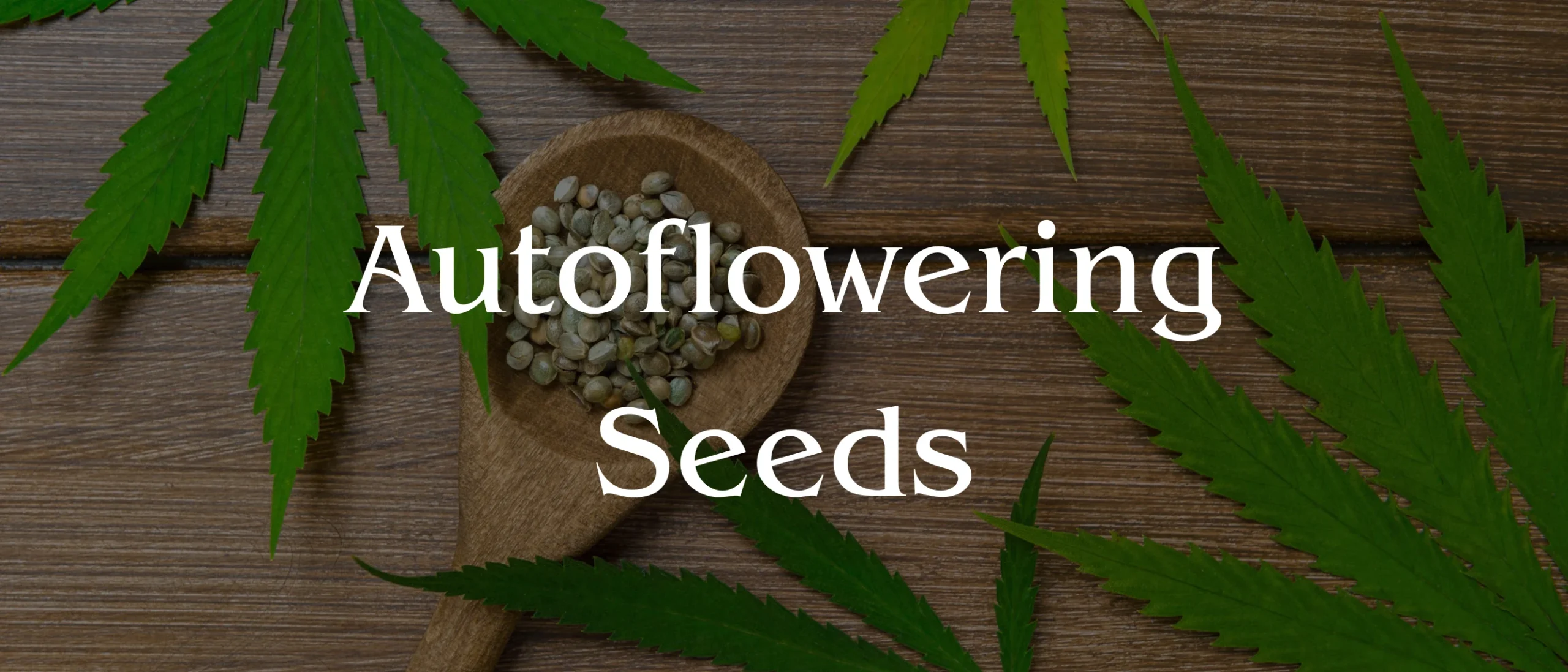
Autoflowering Seeds: Complete Guide to Cultivation and Best Varieties
Autoflowering seeds have radically transformed the cannabis cultivation landscape, representing an innovation that has made this practice more accessible and versatile. Unlike photoperiodic varieties that require specific changes in the light cycle to initiate flowering, autoflowering plants automatically advance through their growth phases based on biological age rather than hours of light exposure.
This distinctive characteristic comes from the incorporation of Cannabis ruderalis genetics, a subtype that evolved in the harsh northern regions where short summer seasons favored the development of photoperiod-independent flowering mechanisms. The result is a plant that autonomously completes its life cycle, greatly simplifying cultivation management.
Autoflowers vs Photoperiodics: Understanding the Key Differences
Flowering Mechanism
The main distinction lies in the flowering trigger. Traditional photoperiodic varieties (indica and sativa) require a reduction in daily light hours to activate the reproductive phase. In nature, this process occurs naturally as days shorten toward autumn. In indoor cultivation, growers artificially manipulate this process, providing 18-24 hours of light during the vegetative phase and reducing to 12 hours to stimulate flowering.
Autoflowers completely eliminate this necessity. After approximately 2-4 weeks from germination, they automatically begin flowering regardless of ambient light conditions.
Life Cycle Duration
Photoperiodics offer temporal flexibility: by maintaining an 18-hour light cycle, they can remain in vegetative phase indefinitely. This allows for cultivating mother plants for cloning or growing specimens to optimal sizes. The complete cycle typically requires 12-20 weeks.
Autoflowers have a fixed biological calendar: from seed to harvest in 8-12 weeks, with no possibility of artificially extending vegetative growth.
Size and Structure
Photoperiodics can develop considerable dimensions, especially sativas, easily reaching 2-3 meters in outdoor cultivation. Autoflowers maintain a compact stature between 50 and 120 centimeters, perfect for confined spaces, balconies, or discreet cultivation.
Yield per Plant
Photoperiodic varieties tend to produce more abundant harvests per single plant (100-500 grams), thanks to larger dimensions and extended growth times. Autoflowers offer more modest individual yields (30-80 grams), but compensate with the possibility of completing multiple cycles in the same period: outdoor it’s possible to obtain 2-3 annual harvests versus just one for photoperiodics.
Potency and Cannabinoid Content
Historically, autoflowers were considered less potent due to ruderalis heritage with low THC. Genetic advances have completely revolutionized this aspect: modern autoflowers reach THC levels of 20-25%, completely comparable to the best photoperiodics.
Cloning
This represents a fundamental difference: photoperiodics lend themselves perfectly to cloning, allowing excellent genetics to be perpetuated. Autoflowers, basing their cycle on biological age, are not suitable for cloning: clones would immediately begin flowering at the same age as the mother plant, resulting in tiny unproductive specimens.
Ruderalis Genetics: The Origin of Autoflowering
Cannabis ruderalis constitutes the third main cannabis subtype, less celebrated than indica and sativa but fundamental to modern autoflowers. This variety developed in the harsh northern regions of Russia, Eastern Europe, and Central Asia, where extreme climatic conditions guided unique evolution.
In these territories characterized by very short summers and prolonged, harsh winters, photoperiod-dependent plants wouldn’t have sufficient time to complete flowering before the arrival of lethal frost. Ruderalis developed the ability to flower automatically after a few weeks of life as a survival strategy, ensuring seed production and dispersal before winter.
Pure ruderalis plants present distinctive characteristics: reduced stature (rarely exceeding one meter), thin leaves, particularly robust stems, and sparse inflorescences with extremely low THC content (below 3%). Naturally, these characteristics wouldn’t be appealing to modern cultivators.
The genius of contemporary breeders was recognizing the value of autoflowering and strategically combining it with powerful indica or sativa genetics. Modern autoflowers typically contain 10-30% ruderalis genetics, with the remaining genetic heritage derived from high-potency varieties. This balanced proportion maintains the autoflowering trait while eliminating negative aspects like low potency and reduced yields.
Advantages of Autoflowering Seeds
Cultivation Speed
The most immediately appreciable advantage is the rapid complete cycle. In 8-12 weeks, you go from seed to finished product, versus 12-20 weeks for photoperiodics. This speed translates into concrete opportunities:
- Indoor: 4-5 complete cycles annually
- Outdoor: 2-3 harvests in the same season in temperate regions
- Reduced exposure time to environmental and cultivation risks
Cultivation Simplicity
Autoflowers drastically simplify cultivation management, making them ideal for beginners:
- No need to modify the light cycle
- Impossible to make photoperiod change errors
- No risk of “light stress” or nighttime light pollution
- Fixed light schedule of 18-20 hours for the entire life cycle
Compact Size and Discretion
The contained stature offers significant practical advantages:
- Perfect for small grow boxes or modified cabinets
- Ideal for cultivation on balconies and terraces without attracting attention
- Facilitates vertical space management
- Greater discretion in outdoor cultivation
Resistance and Robustness
The ruderalis heritage gives autoflowers notable resilience:
- Greater tolerance to cold temperatures
- Superior resistance to climatic fluctuations
- Better management of transplant stress (when necessary)
- Tolerance to fertilization errors
- Ability to thrive in non-optimal conditions
Photoperiod Flexibility
Independence from the light cycle opens new possibilities:
- Outdoor cultivation in any period in mild regions
- Possibility of cultivating in areas with light pollution
- Indoor: simplified management with fixed cycle
- Possibility of cultivating autoflowers and photoperiodics in the same vegetative space
Disadvantages and Limitations
Lower Yields per Plant
A single autoflower typically produces 30-80 grams, while a well-cultivated photoperiodic can yield 100-500 grams. However, this difference must be contextualized considering the multiple cycles possible.
Impossibility of Cloning
This represents a significant limitation for those wishing to preserve exceptional genetics. Each cycle requires new seeds, resulting in recurring costs and the impossibility of maintaining a reference “mother plant.”
Narrow Time Window for Corrections
The short vegetative period (2-4 weeks) doesn’t allow for correcting errors or recovering from stress. If a young autoflower suffers problems in the first critical weeks, the impact on final yield will be inevitable and irreversible.
Limitations in Training Techniques
High-stress training techniques like topping, FIM, or supercropping are risky on autoflowers. The necessary recovery time can compromise final yield. Only low-stress techniques (Low Stress Training – LST) are generally safe and recommended.
Limited Size Control
Unlike photoperiodics, where the grower decides when to induce flowering (and thus controls final dimensions), with autoflowers the final size is largely genetically predetermined.
Optimal Cultivation Techniques
Germination and Initial Planting
Autoflowers germinate quickly, typically in 24-72 hours. Given sensitivity to transplant stress, it’s strongly advisable to germinate directly in the final container, avoiding radical movements that could delay development.
Container Selection
The ideal pot for autoflowers has a capacity of 11-15 liters. Smaller pots limit root development and consequently yield, while larger containers don’t bring proportional benefits. Fabric pots are particularly suitable as they favor air pruning of roots and better oxygenation.
Ideal Substrate
Favor a light, aerated, and well-draining substrate. A mix with about 30% perlite works excellently. Avoid heavily pre-fertilized soils: young autoflowers are sensitive to nutritional excess.
Lighting
The optimal light regime is 18-20 hours of light per day for the entire life cycle. Some growers even use 24 continuous hours, although 18-20 hours represents a good compromise between growth and energy costs. Modern LED lamps are ideal for efficiency and spectrum control.
Watering
Watering requires particular attention in the first weeks. The substrate should partially dry between waterings, allowing roots to “search” for water and develop adequately. Overwatering is one of the most common errors with young autoflowers.
Fertilization
Start with reduced dosages: about ¼ of the manufacturer’s recommended dose for normal plants. Autoflowers have a smaller root system and accelerated metabolism, making them sensitive to excess. Gradually increase only if the plant shows deficiencies.
Training and Manipulation Techniques
Limit training to Low Stress Training (LST) techniques: gentle bending of branches to expose more flowering sites to light. Absolutely avoid topping, FIM, mainlining, or supercropping: the required recovery time would subtract precious weeks from the already short cycle.
Detailed Life Cycle of Autoflowers
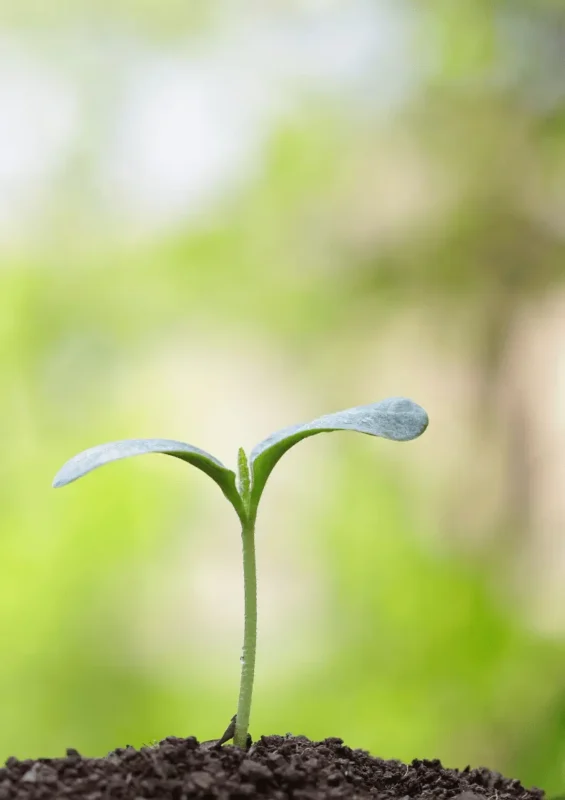
Seedling Phase (Weeks 1-2)
The seedling emerges and develops the first true leaves. This is the most delicate period: it requires moderate watering, relatively high humidity (60-70%), and protection from stress. No fertilization necessary yet.
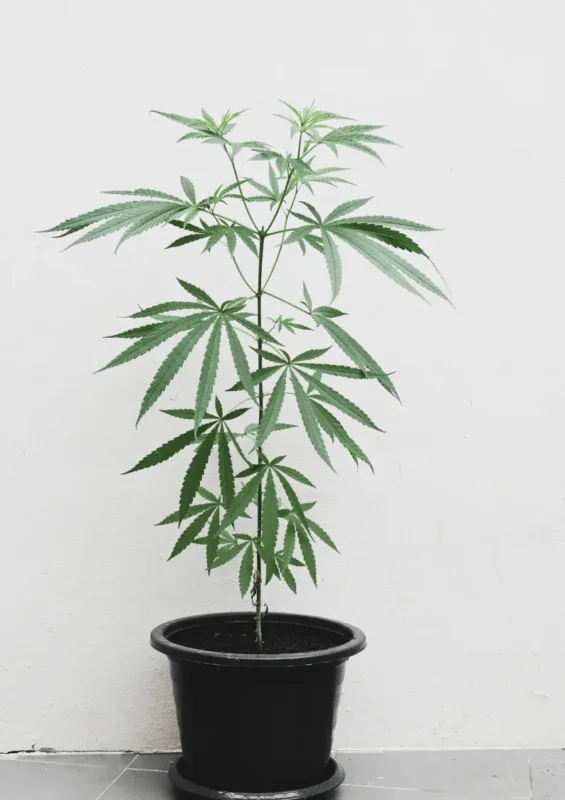
Vegetative Phase (Weeks 2-4)
The plant rapidly develops its foliage and root apparatus. This is the critical period for structural development: any stress here will have significant impact on final yield. Begin light fertilization.
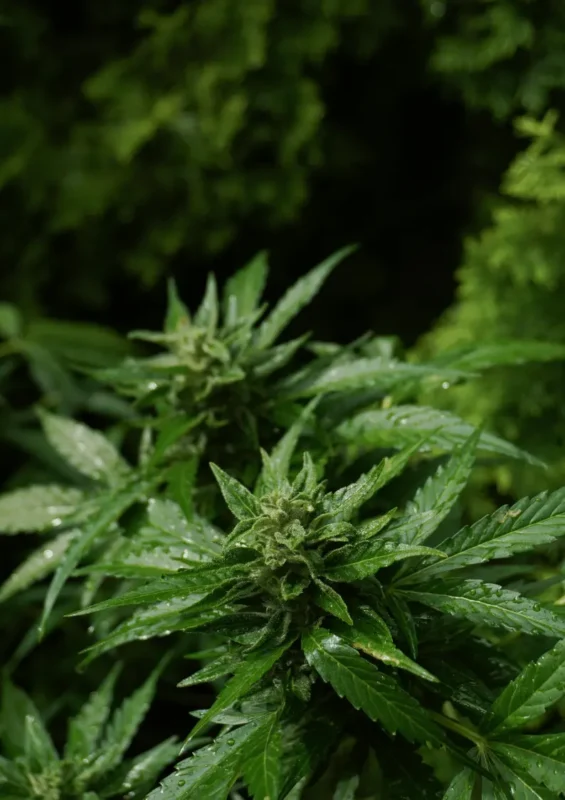
Pre-flowering (Weeks 3-5)
The first signs of flowering appear: pre-flowers at nodes and internode stretching. The plant slows vegetative growth and begins transition. Gradually increase fertilization.
Full Flowering (Weeks 4-7)
Inflorescences develop rapidly, increasing in size and density. Trichomes begin to form abundantly. This is the period of maximum nutritional and water demand.
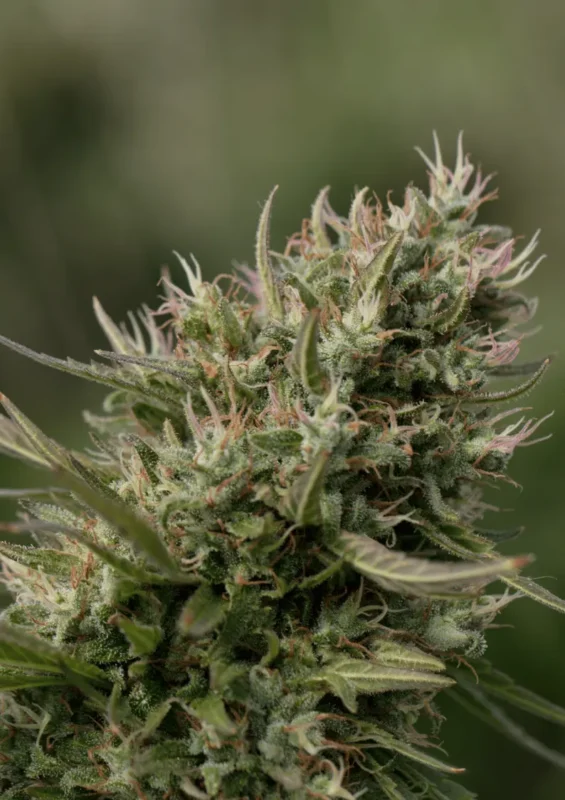
Final Maturation (Weeks 8-12)
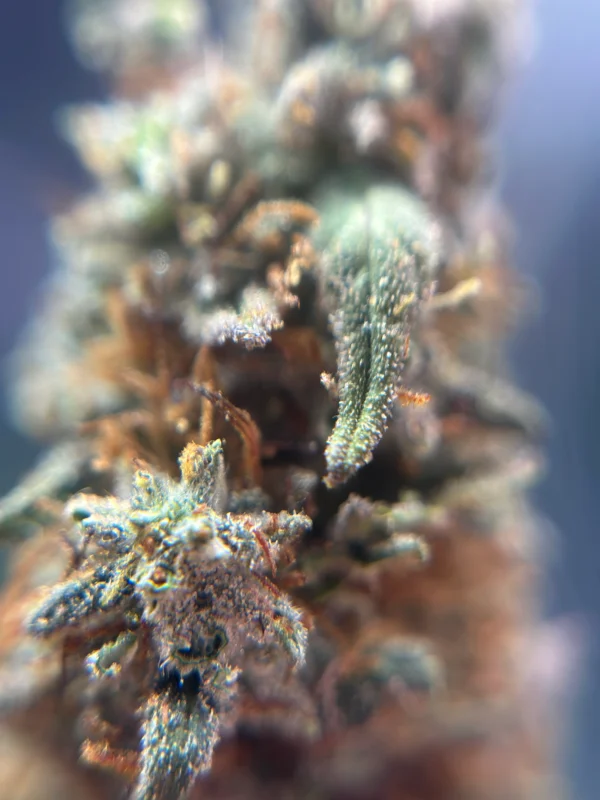
Buds reach final maturity. Trichomes transition from transparent to milky to amber. Monitor trichomes with a magnifying glass: when 70-80% are milky with 10-20% amber, it’s the optimal time for harvest.
Choosing the Right Autoflowering Varieties
Indica-Dominant Autoflowers
Characteristics:
- Compact and bushy structure
- Faster flowering (8-9 weeks total)
- Predominantly body and relaxing effect
- Ideal for evening or therapeutic use
- Perfect for very limited spaces
Sativa-Dominant Autoflowers
Characteristics:
- Slightly taller and airier structure
- Slightly longer cycle (10-11 weeks)
- Cerebral, energizing, and creative effect
- Ideal for daytime use
- Often fruity or citrusy aromas
Balanced Hybrids
Offer the best of both worlds: manageable structure, balanced effect between body and mind, versatility of use. Represent an excellent choice for those seeking versatility.
Super Autoflowers
Varieties specifically selected for above-average yields. Can produce 80-150 grams per plant in optimal conditions, approaching the performance of compact photoperiodics.
CBD Autoflowers
Varieties developed for high CBD content and low or moderate THC. Ideal for therapeutic use without intense psychoactive effects: pain management, anxiety, inflammation.
Selection of Quality Autoflowering Varieties
Barney’s Farm – Blue Cheese Auto
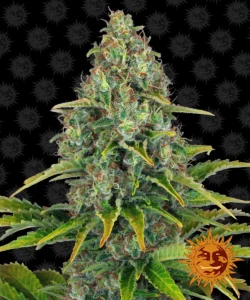
Indica-dominant variety celebrated for its unique aromatic profile: creamy and cheesy notes balanced by fruity nuances. Deeply relaxing effect, excellent for evening. Particularly easy to cultivate, tolerates beginner errors well.
Barney’s Farm – Tangerine Dream Auto
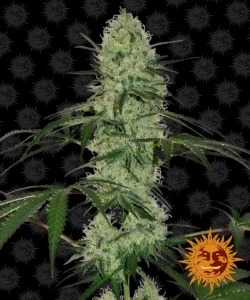
Balanced hybrid with dominant citrus profile reminiscent of tangerines and oranges. Energizing and creative effect, perfect for daytime activities. Abundant resin production.
Barney’s Farm – Critical Kush Auto
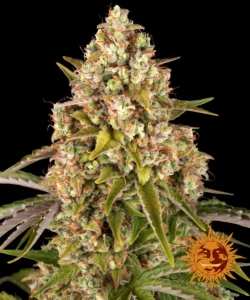
Powerful indica with deeply sedative and relaxing effect. Above-average yield for an autoflower, with dense and compact buds. Ideal for managing stress, insomnia, and chronic pain.

Fast Buds – Guava Auto RF3
Modern genetics with distinctive tropical aroma. Particularly rapid growth even for an autoflower (8-9 weeks). Balanced effect between cerebral euphoria and body relaxation.
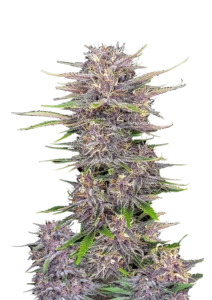
Fast Buds – Banana Purple Punch Auto
Unique terpene profile with notes of ripe banana and sweet fruits. Spectacular purple colorations in the final weeks. Relaxing and sedative effect.
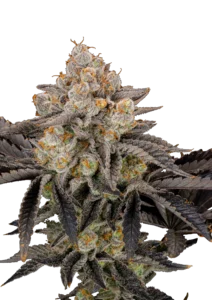
Fast Buds – Gorilla Cookies Auto
Very high potency variety (THC 25%+) with exceptional resin production. Robust structure and generous yields. Powerful and long-lasting effect, recommended for experienced consumers.

Royal Queen Seeds – Cosmos F1 CBD
CBD-dominant autoflower (CBD:THC ratio of 20:1) ideal for therapeutic use. Relaxing and anti-inflammatory effect without significant psychoactivity. Perfect for those seeking medical benefits.

Royal Queen Seeds – Hyperion F1
F1 hybrid (first filial generation) offering “hybrid vigor”: uniform growth, superior genetic stability, and increased yields. Represents the cutting edge of autoflowering genetics.

Royal Queen Seeds – Epsilon F1
Another F1 genetics of excellent quality. Compact structure with intense and complex aromas. Superior cultivation stability thanks to F1 genetics.
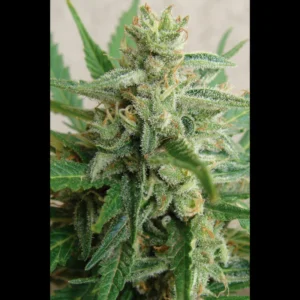
SeedSalad – Auto Mandarina
Variety characterized by intense citrus profile. Fast and resistant growth. Excellent choice for beginners seeking fresh and fruity aromas.

SeedSalad – Auto Caramel Bud
Sweet and caramelized aromatic profile particularly appreciated. Relaxing and manageable effect. Stable and reliable production.
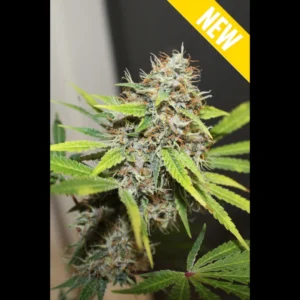
SeedSalad – Auto Amnesia Lemon
Autoflowering version of the famous Amnesia. Predominantly cerebral, energizing, and stimulating effect. Citrus taste with lemon notes.
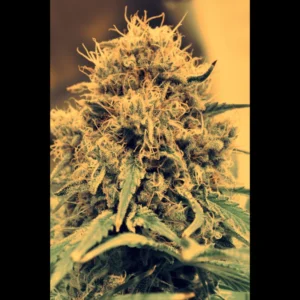
SeedSalad – Auto White Widow XXL
High-yield XXL version of the legendary White Widow. One of the most productive autoflowers, can reach 100-150 grams in optimal conditions. Balanced and powerful effect.

Harvest and Yield: Maximizing Results
Identifying the Optimal Moment
Harvest timing drastically influences final quality. Observe trichomes with a 60x magnifying glass or microscope:
- Transparent trichomes: too early, THC not fully developed
- 70-80% milky trichomes: optimal moment for maximum THC
- 20-30% amber trichomes: more sedative and body effect
Realistic Yields
Indoor:
- Standard conditions: 30-50 grams per plant
- Optimal conditions: 60-80 grams per plant
- XXL/Super Auto varieties: 80-100+ grams per plant
Outdoor:
- Favorable conditions: 50-100 grams per plant
- Optimal conditions with XXL varieties: 100-150 grams per plant
Factors Influencing Yield
- Variety genetics
- Container size
- Light quality
- Optimal nutrition
- Absence of stress during cycle
- Stable environmental conditions
Conclusions
Autoflowering seeds have democratized cannabis cultivation, making it accessible to growers of all experience levels. The combination of speed, simplicity, and modern quality makes them an excellent choice for both beginners and experts seeking rapid harvests.
Contemporary varieties offer potency, complex terpene profiles, and quality comparable to the best photoperiodics, while maintaining all the advantages of autoflowering. With proper understanding of their unique characteristics and application of appropriate cultivation techniques, autoflowers can provide gratifying experiences and excellent quality harvests.
Frequently Asked Questions (FAQ)
What exactly are autoflowering seeds? They are varieties that flower automatically based on the plant’s age (2-4 weeks from germination), without requiring changes in the light cycle. This characteristic derives from Cannabis ruderalis genetics.
How long does the complete cycle last? From seed to harvest in 8-12 weeks total, depending on variety and growing conditions. This is significantly faster than the 12-20 weeks of photoperiodics.
How many hours of light do autoflowers need? The optimal cycle is 18-20 hours of light per day for the entire life cycle. It’s not necessary to change the photoperiod to induce flowering.
Are autoflowers suitable for beginners? Absolutely yes. Cultivation simplicity, absence of photoperiod management, rapid times, and stress resistance make them ideal for those starting out.
What size do they reach? Most remain compact between 50 and 120 centimeters, perfect for limited spaces, small grow boxes, or discreet balcony cultivation.
Is it possible to clone autoflowers? No, it’s not practical. Clones would have the same “biological age” as the mother plant and would immediately begin flowering, resulting in tiny unproductive plants.
Are modern autoflowers potent? Yes, genetic advances have enabled development of autoflowers with THC levels of 20-25%, fully comparable to the best photoperiodic varieties.
Which container is recommended? An 11-15 liter pot is optimal. Fabric pots are preferable because they favor air pruning of roots and better oxygenation.
Do autoflowers produce less than photoperiodics? Per single plant yes (30-100g vs 100-500g), but thanks to rapid cycles it’s possible to complete multiple harvests in the same period, amply compensating for the difference.
Can I apply training techniques? Only low-stress techniques (LST – Low Stress Training). Avoid topping, FIM, or supercropping that require too much recovery time and would compromise final yield.
Disclaimer
The information contained in this article is provided exclusively for informational, cultural, and educational purposes. It does not constitute an invitation or encouragement to cultivate plants subject to specific regulations.
The cultivation, possession, and use of cannabis are regulated by national and local laws. In Italy and many European countries, such activities may be prohibited or limited.
Cannabis seeds are sold exclusively for collectible use, genetic preservation, or research. The author and site manager assume no responsibility for improper uses.
The reader is invited to always verify the regulations in force in their country.
 Seed Shop
 Head Shop
 Vaporizers
 Cosmetics
 Growshop
 Grow Box
 Ornamental plants
 Fans and extractors
 Pots
Pots LED lamp
 Fertilizer
 Pest control