



Hydroponic Cultivation: Modern Soilless Farming
Hydroponic Cultivation
In recent years, hydroponic cultivation has evolved from an experimental technique to a true pillar of modern agriculture. More and more growers, researchers, and enthusiasts are choosing soilless systems to achieve greater control, faster growth, and higher yields.
Unlike traditional agriculture, hydroponics completely eliminates the use of soil, providing plants with a balanced nutrient solution directly to the roots. This approach allows for control over every single growth variable: water, oxygen, nutrients, pH, and temperature.
The result is a cultivation method that is more efficient, clean, and predictable, capable of operating in urban environments, indoors, in greenhouses, or on infertile soils. For those seeking precision, quality, and space optimization, hydroponic cultivation represents one of the most advanced solutions available today.
What Hydroponic Cultivation Is and How It Works
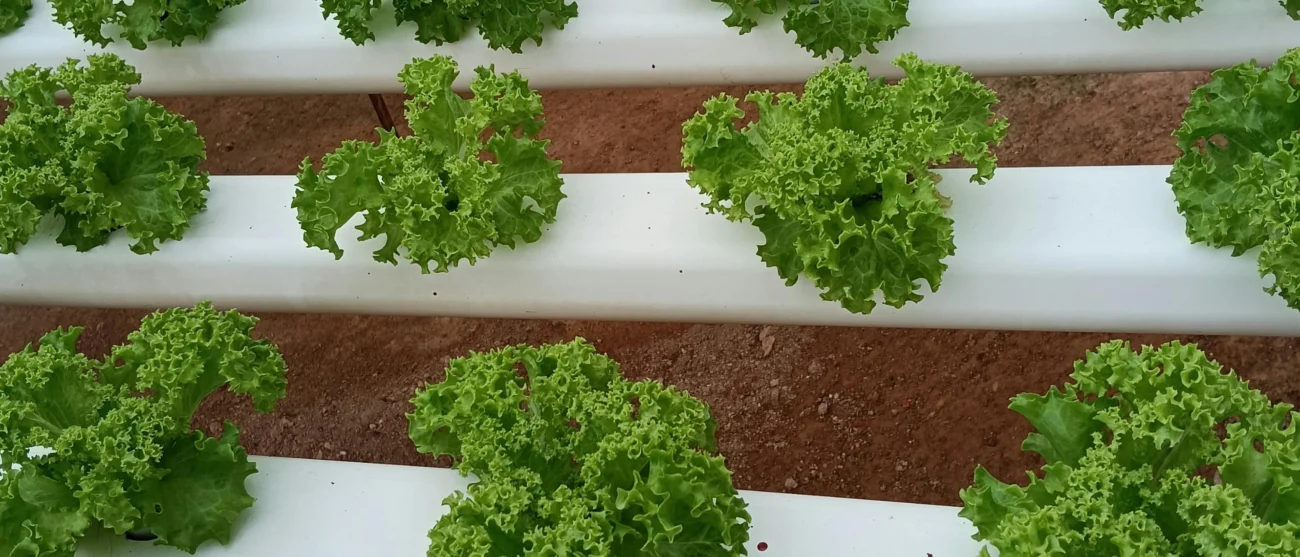
Hydroponic cultivation is a soilless growing technique in which plants grow without soil, absorbing mineral nutrients directly from water. The term comes from the Greek hydro (water) and ponos (work).
In nature, plants do not feed on the soil itself, but on the nutrients dissolved in the water present in the soil. Hydroponics replicates and optimizes this process, providing exactly what the plant needs, at the right time.
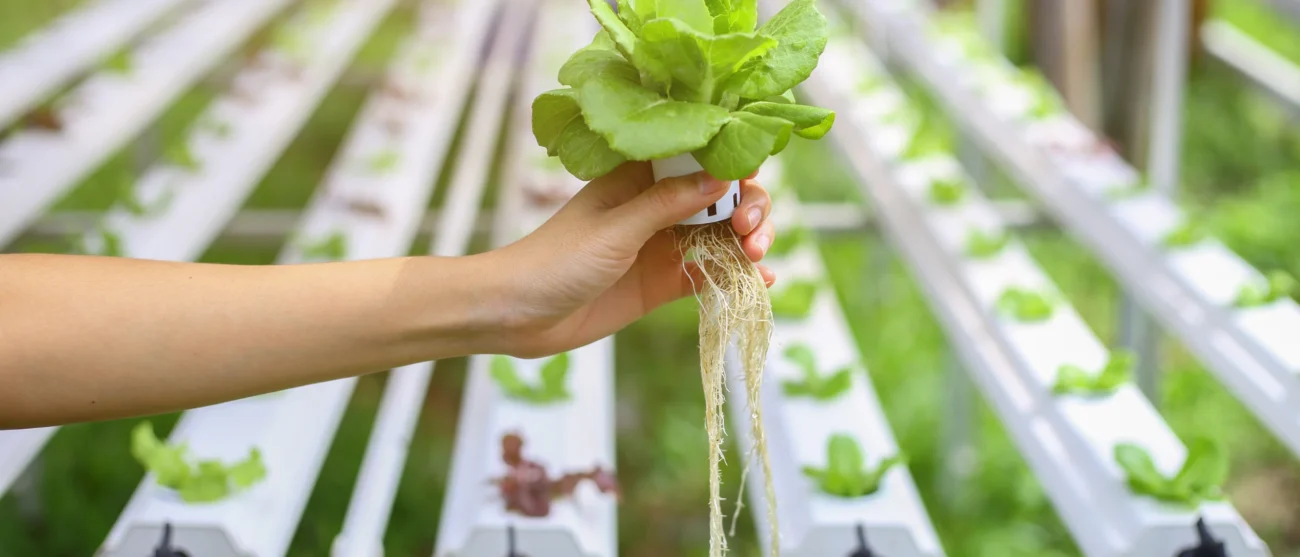
Roots can be immersed in a nutrient solution, supported by inert substrates such as expanded clay, rock wool, or coconut fiber, or left suspended in the air and misted.
This system eliminates soil-related uncertainties: pathogens, pests, unpredictable deficiencies, and pH fluctuations. Growers achieve total control of the root environment, with growth typically 20% to 50% faster than soil cultivation.
Advantages and Disadvantages of Hydroponic Cultivation
Main Advantages
- Water saving: Hydroponic systems use up to 90% less water thanks to continuous nutrient solution recirculation.
- Accelerated growth: shorter cycles and more annual harvests. Plants concentrate all energy on vegetative growth and production.
- Absence of pathogens and pests: drastically reduces the use of pesticides and fungicides.
- Space optimization: vertical systems and indoor cultivation allow high yields in limited spaces.
- Precise control: pH, EC, temperature, and nutrients can be adjusted for superior and consistent harvests.
Disadvantages and Challenges
- Initial cost: systems, pumps, equipment, and specialized nutrients require significant investment.
- Technological dependence: pump failures, power outages, or aeration issues can quickly damage plants.
- Learning curve: concepts such as pH, EC, and root oxygenation require experience.
- Operating costs: electricity, nutrient replacement, and continuous maintenance.
- Frequent maintenance: cleaning tanks, checking drippers, and replacing nutrient solution.
All Hydroponic Cultivation Systems
DWC System (Deep Water Culture)
Roots immersed in a highly oxygenated nutrient solution via pumps and diffusers. Easy to build and manage, very fast growth. Disadvantages: pH and temperature monitoring, pump failure risk.
NFT System (Nutrient Film Technique)
A thin film of nutrient solution flows continuously over sloped channels. Optimal oxygenation and fast growth. Ideal for lettuce and herbs. Disadvantages: highly sensitive to failures, requires perfectly leveled channels.
Ebb and Flow System
Controlled flooding and draining cycles via timer. Versatile, works with various substrates, and tolerates failures better than NFT or DWC.
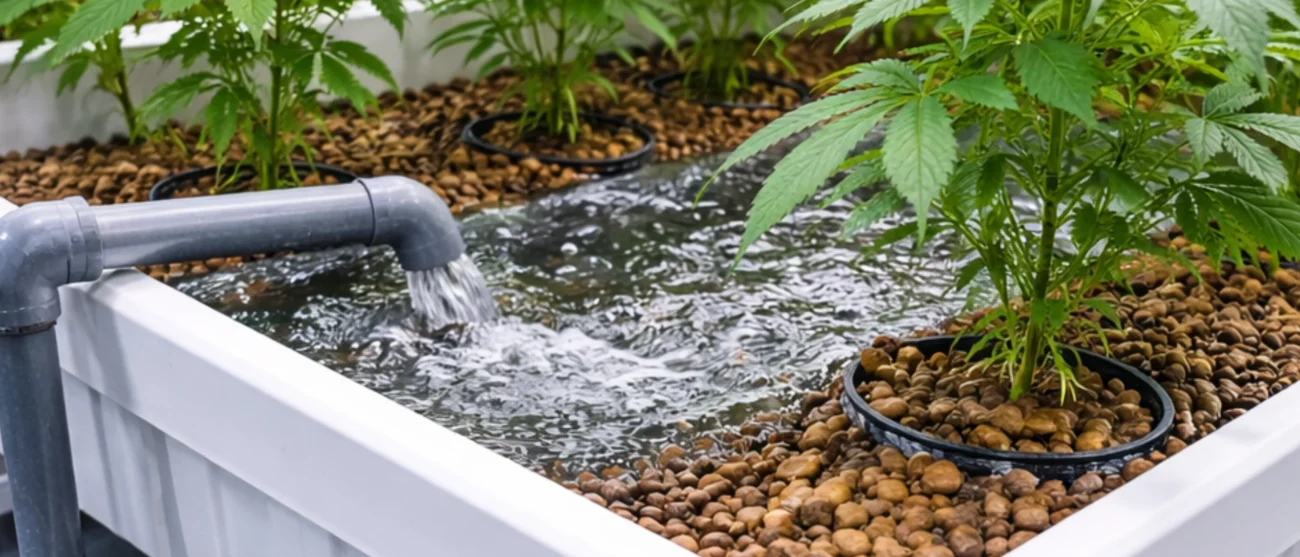
Drip System
Constant nutrient solution distribution via drippers. Can be closed or open loop. Scalable and automatable. Disadvantages: filters required, dripper maintenance, drainage control.
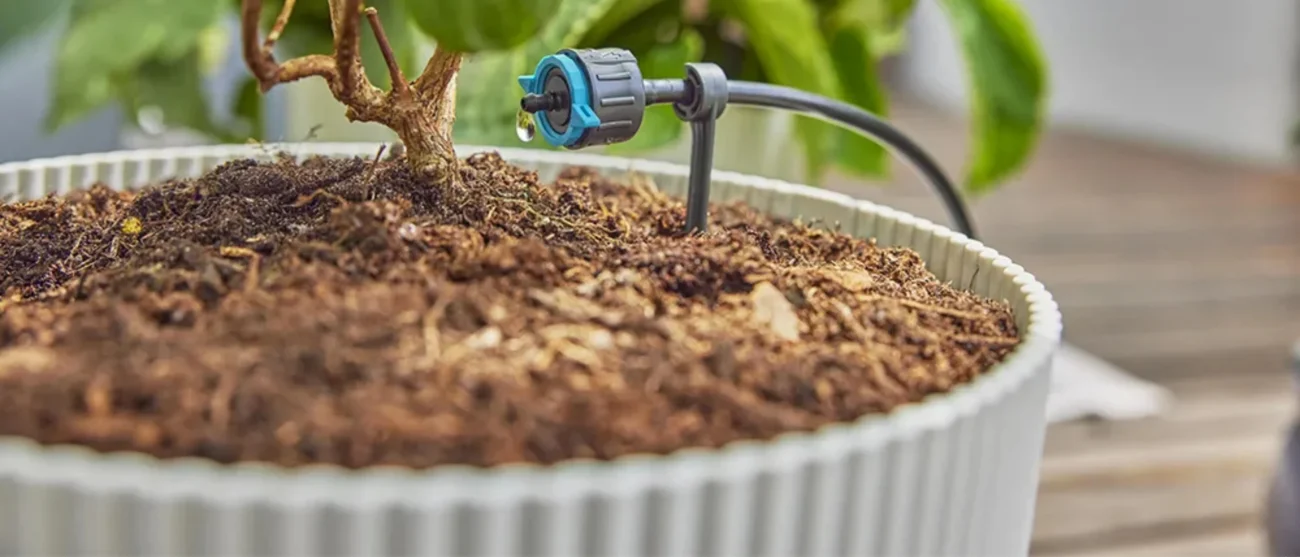
Aeroponic System
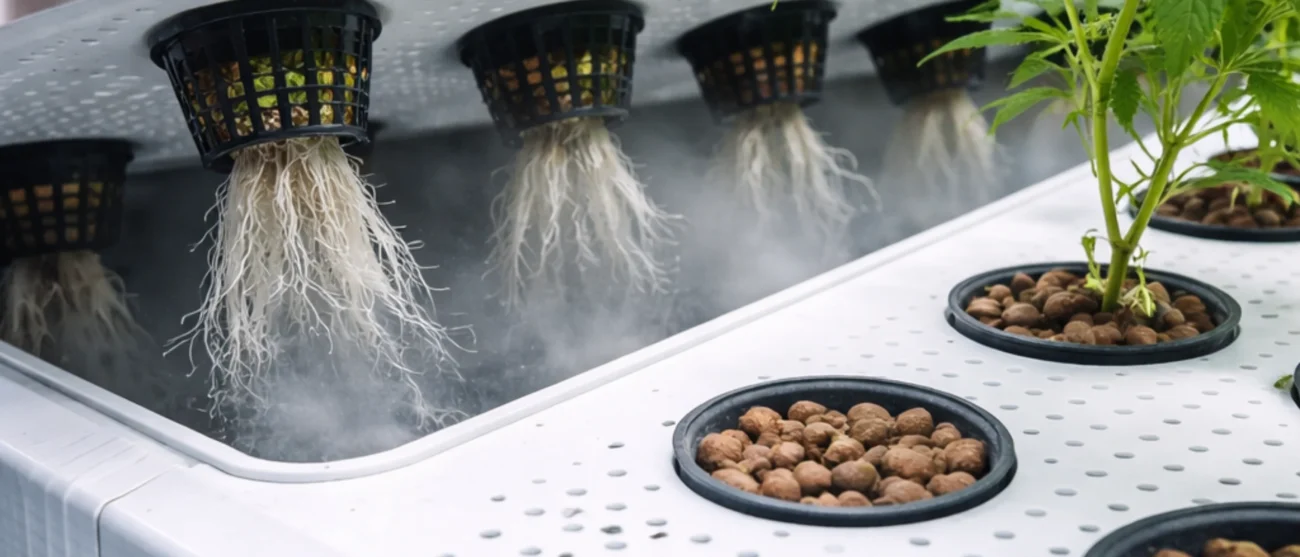
Roots suspended in air and misted at regular intervals. Maximum oxygenation, faster growth, excellent water efficiency. Disadvantages: requires experience, high maintenance, rapid failure if mismanaged.
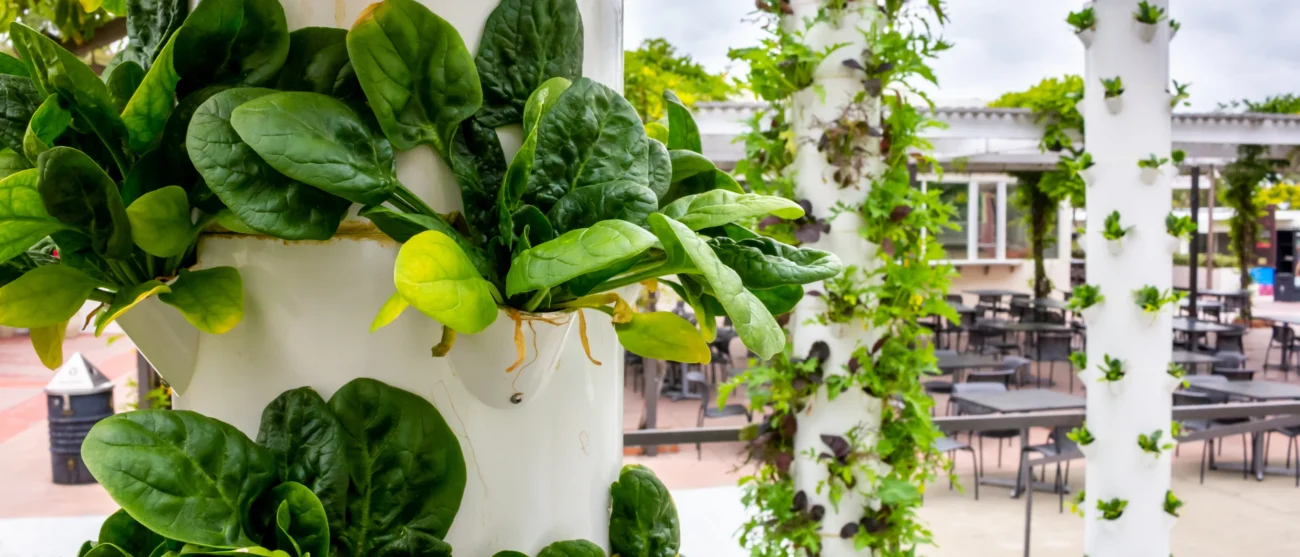
Wick System
Passive transport of nutrient solution from the tank to the substrate via wicks. Cheap and simple, ideal for beginners and small plants. Disadvantages: slower growth, not suitable for large plants.
Nutrients, pH, and Nutrient Solution Management
Essential Macronutrients
Primary: Nitrogen (N), Phosphorus (P), Potassium (K). Secondary: Calcium (Ca), Magnesium (Mg), Sulfur (S).
Micronutrients
Fe, Mn, Zn, Cu, B, Mo, Cl. Essential even in small amounts; deficiencies cause chlorosis, necrosis, and stunted growth.
pH Management
Ideal range: 5.5–6.5. Daily control with digital pH meter. Adjustments: pH Down or pH Up.
EC and TDS
EC (mS/cm) and TDS (ppm) measure salt concentration in the solution. Typical values: 0.4–0.8 for seedlings, 1.0–1.6 vegetative, 1.6–2.2 flowering.
Solution Temperature
Ideal: 18–22°C. High temperatures reduce oxygen; low temperatures slow nutrient uptake. Solutions: chillers or heaters.
Inert Substrates for Hydroponics
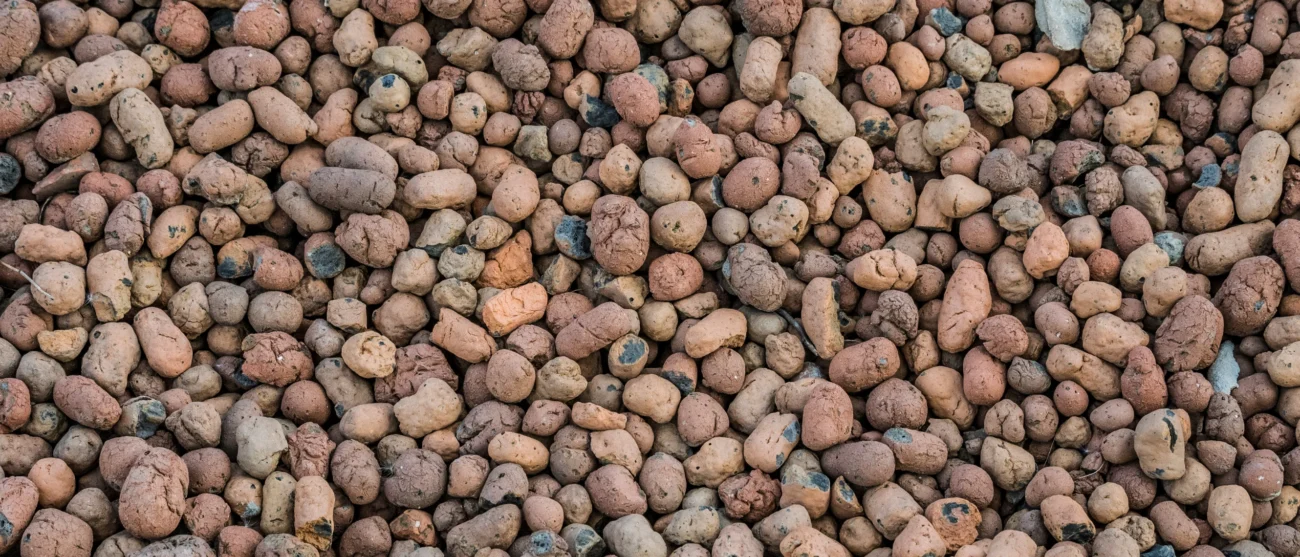
Expanded Clay
Fired clay balls, neutral pH, reusable. Excellent drainage and aeration.
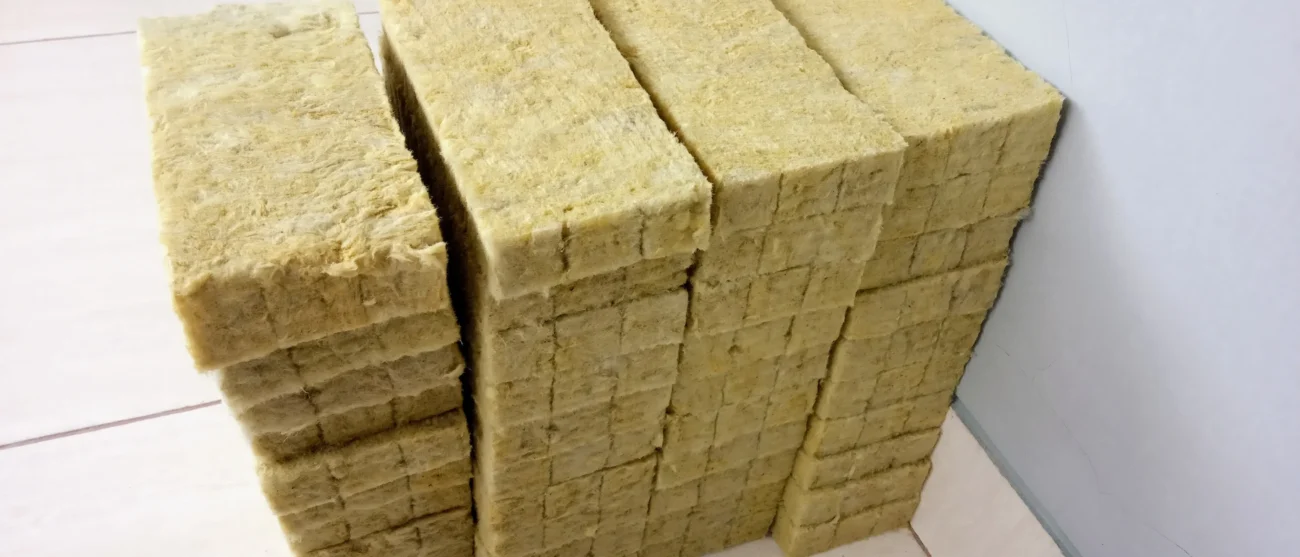
Rock Wool
Mineral fiber from melted volcanic rocks. Ideal for germination and cloning. Requires pre-treatment to lower pH.
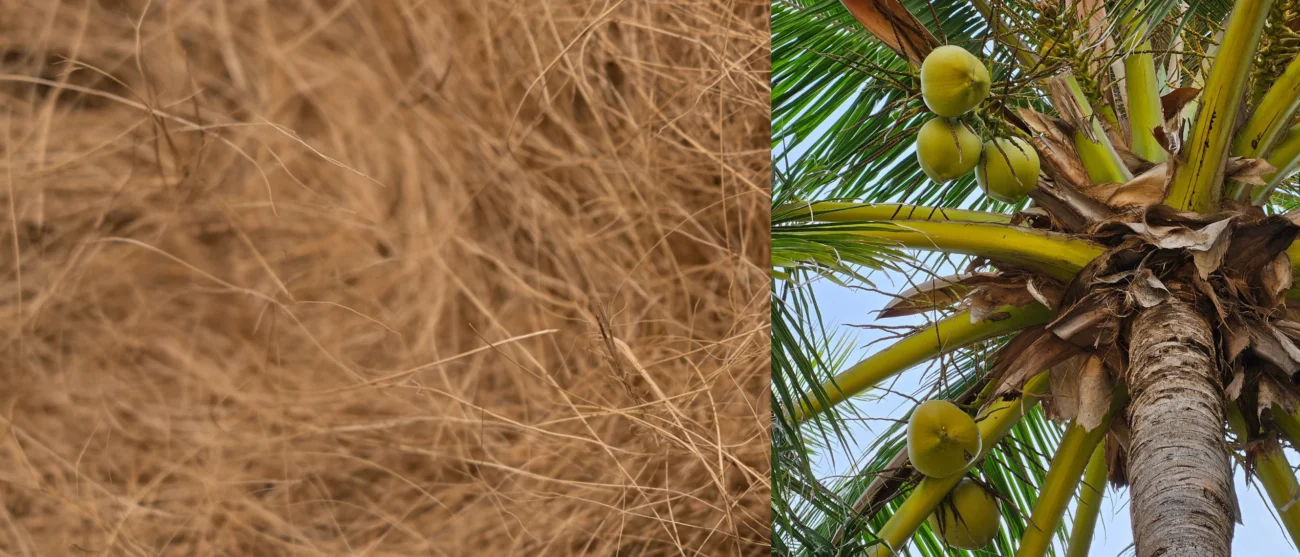
Coconut Fiber
Renewable and ecological. Excellent water retention, good drainage, promotes root development. Requires specific nutrients.
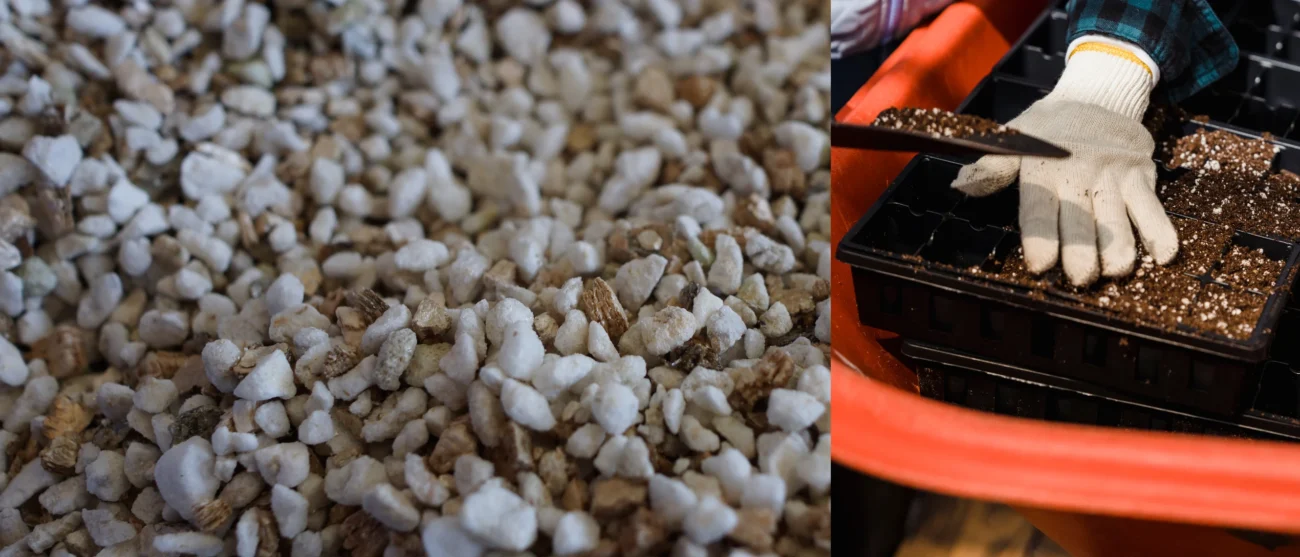
Perlite and Vermiculite
Perlite: drainage and aeration. Vermiculite: water and nutrient retention, ideal for Wick and germination.
Mixed Substrates
70% coconut + 30% perlite = balance of retention/drainage. 50% clay + 50% coconut works well in Ebb and Flow.
Indoor Lighting for Hydroponic Cultivation
HPS Lamps
Ideal for flowering, high power (600–1000W), high heat, require cooling.
MH Lamps
Blue-white spectrum for vegetative growth. Often combined with HPS.
CFL and T5 Lamps
Low heat and consumption. Ideal for germination and vegetative growth of small plants.
LED Lamps
Full spectrum, 40–60% energy saving, long lifespan. Covers all growth stages.
Photoperiod and DLI
Photoperiod: 18/6 vegetative, 12/12 flowering. Optimal DLI: 20–30 mol/m²/day vegetative, 30–40+ flowering.
Climate Control: Temperature, Humidity, and Ventilation
Ambient Temperature
Ideal: 20–26°C day, 18–22°C night. Day-night differential: 4–6°C.
Relative Humidity
65–75% germination/clones, 50–70% vegetative, 40–50% flowering.
Ventilation and Air Exchange
Removes heat and humidity, brings fresh air, prevents stagnant zones.
Supplemental CO₂
Increasing from 400 to 1000–1500 ppm can boost growth by 20–30%. Requires sealed environment and intense lighting.
Advanced Management, Monitoring, and Automation
Continuous Monitoring
Environmental controllers record pH, EC, temperature, humidity, CO₂. Alerts via app if parameters go out of range.
System Automation
Timers manage lighting, flooding, and misting. Smart systems automatically regulate pH, EC, and climate.
IoT Integration
Remote control via smartphone: real-time monitoring, notifications, historical graphs.
Common Problems and Troubleshooting
Nutrient Deficiencies
Nitrogen: lower leaves yellow. Phosphorus: dark/purple leaves. Potassium: leaf edges burned. Calcium: leaf tips dead. Magnesium: interveinal chlorosis. Iron: young leaves yellow.
Always check pH before adding nutrients.
Root Rot
Caused by Pythium under low oxygen conditions. Prevention: water below 22°C, proper oxygenation. Treatment: H₂O₂, beneficial bacteria/enzymes.
Algae in Solution
Prevention: cover tanks and pipes. Treatment: empty and clean with diluted bleach.
Unstable pH
Solutions: RO water, stabilizing buffers, frequent solution changes.
Salt Accumulation
Prevention: periodic flush with proper water, monitor drainage EC.
Common Mistakes to Avoid
- Nutrient overdose: start with low doses, increase gradually.
- Ignoring pH: check daily.
- Poor oxygenation: use multiple air pumps.
- Poor-quality water: use filtered or RO water.
- Lack of cleaning: sterilize and clean tanks and pipes regularly.
- No backup: spare pumps, timers, and nutrients.
Commercial Hydroponic Cultivation
Scalability and Business
Intensive production on small surfaces. Vertical greenhouses produce 10–20 times more than open fields.
Certifications and Regulations
Organic certification possible but complex; must comply with sanitary standards and full traceability.
ROI and Profitability
Initial investment €50–200/m². ROI 2–4 years. Key factors: high-value crops, energy and nutrient cost optimization, automation.
Conclusions
Hydroponic cultivation represents the future of sustainable agriculture: less water, more control, higher yield, and superior quality. From small home systems to large commercial greenhouses, it offers scalable solutions for every need.
With proper knowledge, even beginners can achieve excellent results. Investing time in learning about nutrients, pH, EC, and climate management ensures consistent, high-quality harvests.
Disclaimer
The information in this article is provided solely for informational and educational purposes. Always verify the current regulations in your country.
On Budream you’ll find:
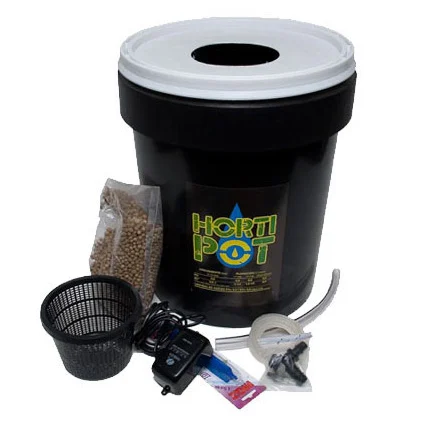
HORTI-POT – DWC Hydroponic System (Deep Water Culture)
Deep Water Culture (DWC) hydroponic growing system designed to deliver fast growth, optimal root development, and high yields. Plant roots remain constantly submerged in a highly oxygenated nutrient solution thanks to the air pump and air stone. Ideal for both crop production and mother plant maintenance. Cost-effective, easy to use, and suitable for growers of all experience levels.
Technical specifications:
-
System type: DWC – Deep Water Culture
-
Reservoir capacity: 25 liters
-
Oxygenation: air pump + air stone
-
Included growing medium: substrate bag
-
Application: crop cultivation and mother plants
-
Operation: simple; requires pH and temperature monitoring
-
Recommended skill level: beginner / intermediate
Package contents:
-
25 L nutrient solution bucket
-
Air pump
-
Air stone
-
Fittings and connections
-
Growing medium
Key benefits:
-
very fast plant growth
-
high root oxygenation
-
excellent value for money
Important notes:
-
regularly monitor pH and solution temperature
-
system operation depends on continuous air pump function
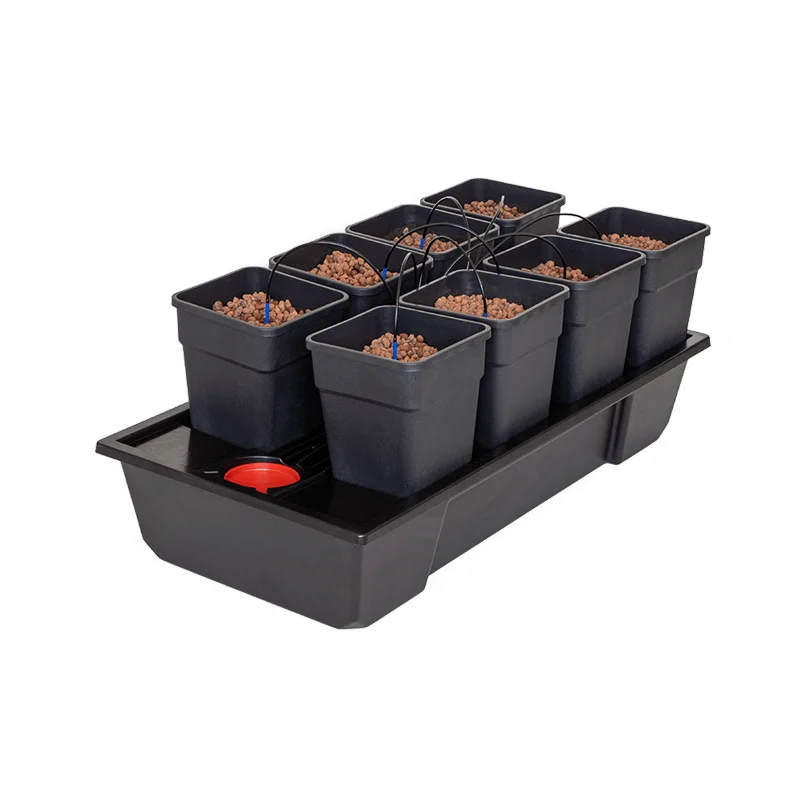
WILMA / ORIGIN SMALL WIDE – Active Hydroponic System (8 Pots)
Origin Small Wide 8 Pots by Nutsystems is an active recirculating hydroponic grow system engineered for maximum ease of use, precise nutrient delivery, and consistent high yields. The system includes 8 × 11-liter pots and is suitable for cultivation in expanded clay pebbles, rockwool, and organic growing media such as soil and coco coir.
Unlike manual watering, Origin supplies plants with small, frequent doses of nutrient solution, ensuring an optimal balance of water, nutrients, and oxygen. A single daily irrigation cycle cannot maintain ideal root oxygen levels; the Origin system prevents overwatering and nutrient deficiencies while promoting steady nutrient uptake and uniform plant development. The use of clay pebbles is recommended to further improve root aeration and achieve higher yields.
The system operates fully automatically: simply fill the reservoir with fertilizer or nutrient solution. The water pump, controlled by a timer, irrigates the plants at preset intervals. Unused nutrients are collected and returned to the reservoir, making Origin one of the most efficient and cost-effective automated irrigation systems. It also allows growers to alternate between hydroponic cultivation and traditional soil growing.
Golden rules for irrigation:
-
use the correct dripper according to the growing medium
-
for expanded clay: black dripper
-
for soil, coco, peat, and rockwool: blue arrow dripper
Technical data – Origin Small Wide 8 Pots:
-
System type: active recirculating hydroponic system
-
Number of pots: 8
-
Pot capacity: 11 L each
-
Reservoir capacity: 85 liters
-
Dimensions: 120 × 60 × 20 cm
-
Compatible growing media: expanded clay, soil, coco coir, rockwool
-
Irrigation: automatic via pump and timer
Main features:
-
automatic irrigation and consistent nutrient delivery
-
optimal water-to-nutrient ratio
-
lightweight and easy-to-transport structure
-
stable design for easy placement
-
eliminates the need for manual watering
Maintenance:
-
cleaning recommended every 2 weeks to prevent clogging and drip-related issues
Kit contents:
-
8 Nutsystems 11 L pots
-
nutrient reservoir
-
irrigation system
-
water pump





 Pest control
 Fertilizer
 LED lamp
 Fans and extractors
 Pots
Pots