



Scale Insects: Natural Remedies & Biological Control
 Claude
 Perplexity
Scale Insects
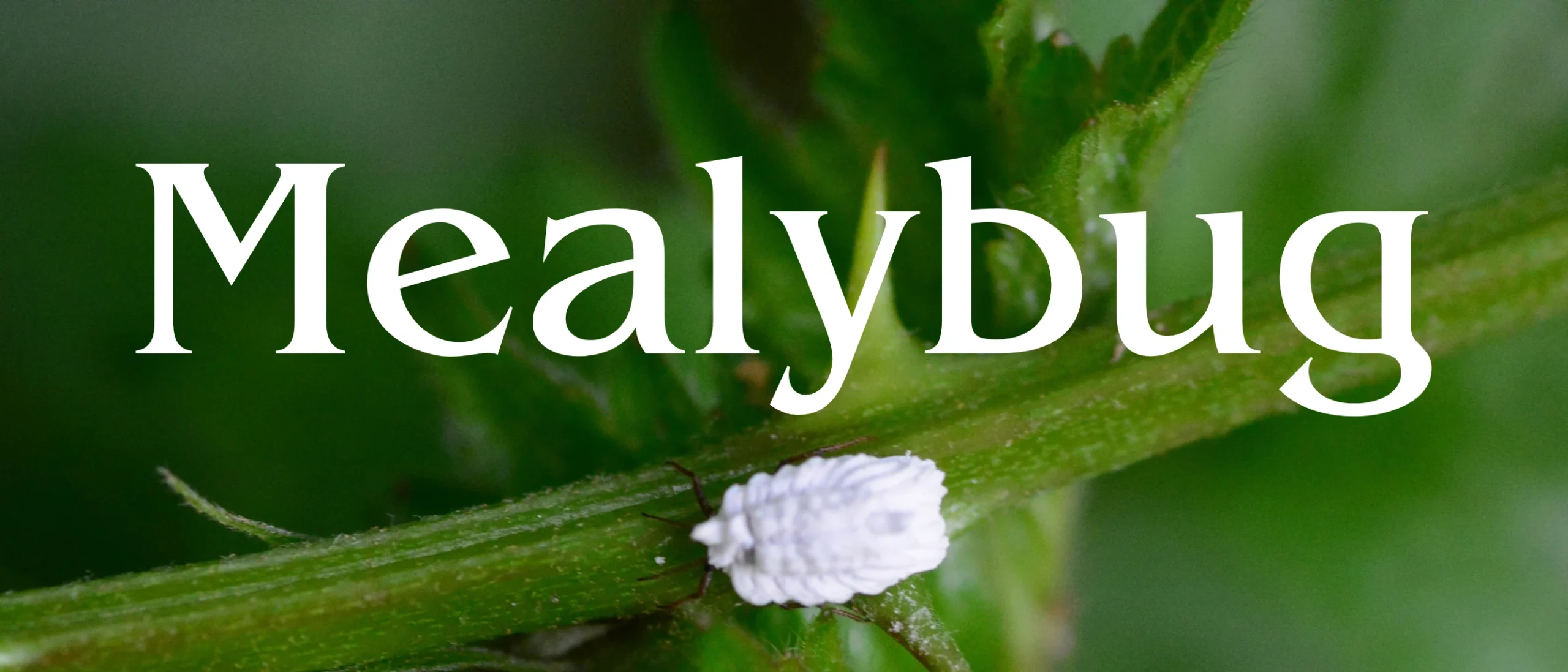
Scale insects are one of the most feared pests for growers, whether you’re tending lemons, apple trees, or even cannabis.
In addition to feeding on plant sap, scale insects produce honeydew, a sugary substance that attracts ants and promotes the growth of sooty mold, a black fungus that reduces photosynthesis and further weakens plants.
This tiny yet tenacious sap-sucking insect is notorious among cultivators for its ability to reproduce rapidly and damage plants without being noticed until symptoms become severe. Besides feeding on plant sap, scale insects produce honeydew, a sugary substance that attracts ants and encourages the growth of sooty mold, a black fungus that limits photosynthesis and weakens plants further.
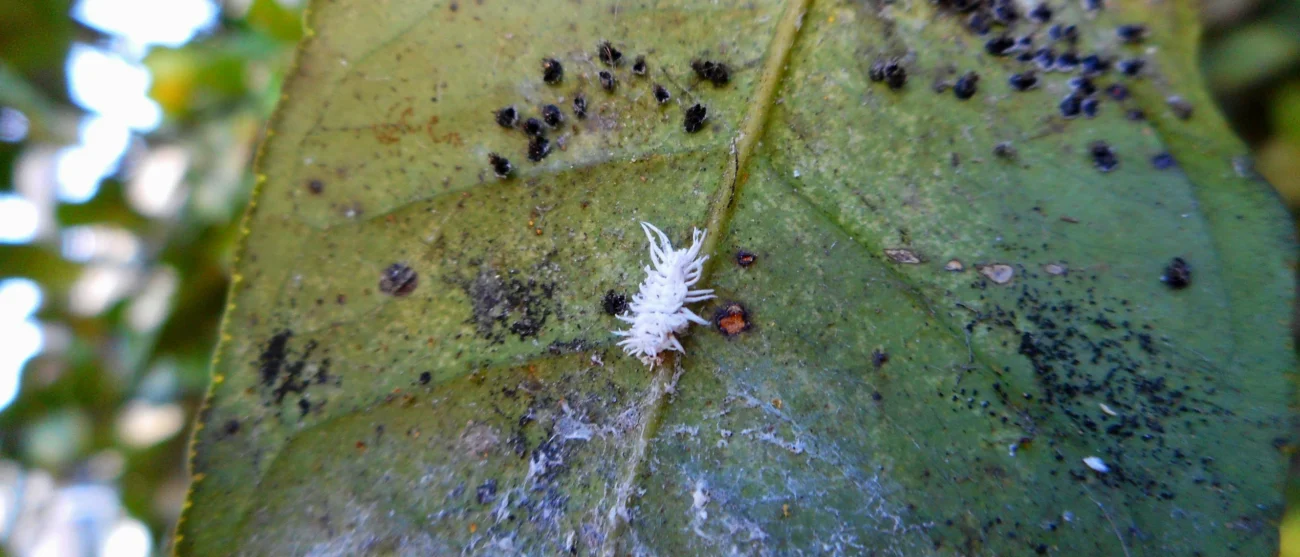
Imagine inspecting your lemon trees: at first glance, everything seems healthy, but a closer look reveals tiny white dots on branches and leaves. These are the first signs of a scale infestation. Ignoring them can lead to serious damage on fruits, buds, and young branches.
What is a Scale Insect?
Scale insects belong to the superfamily Coccoidea and include thousands of species. Adults attach to leaves, branches, and stems, piercing plant tissues to feed on sap. Some species are mobile in their juvenile stages, while others remain immobile once mature.
What makes the scale insect so difficult to control is its waxy protective coating, which can be cottony, powdery, or a hard shield. This layer protects it from natural predators, beneficial insects, and superficial treatments.
Most Common Types of Scale Insects
Cottony Scale Insects
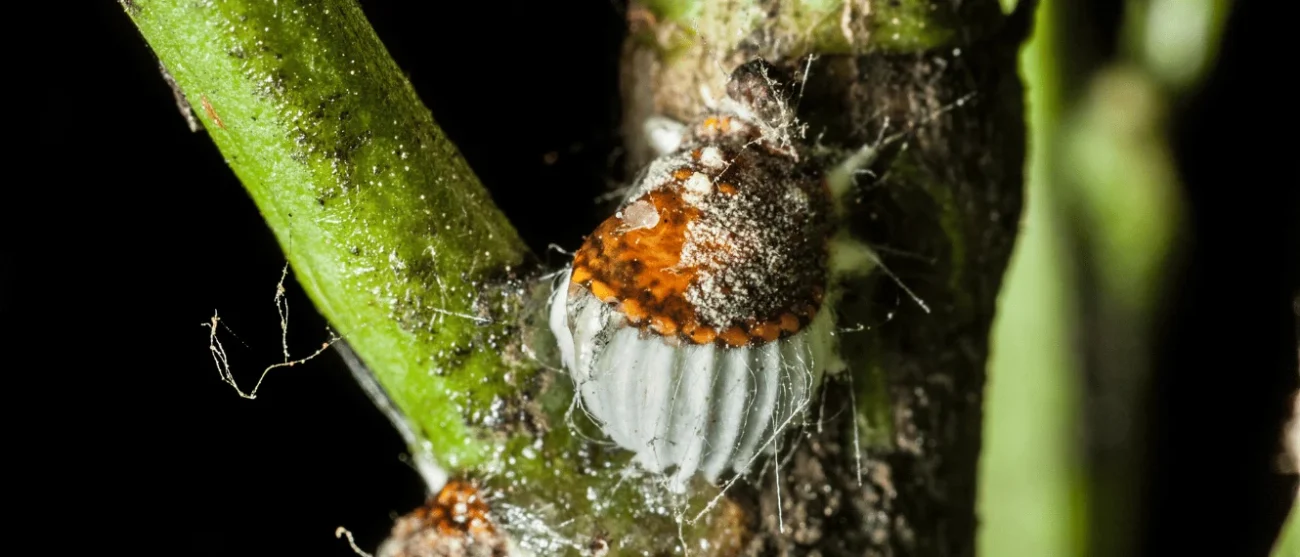
are easily recognized by small white cotton-like clusters on leaves and twigs. They affect citrus, ficus, succulents, grapevines, cannabis, and indoor plants. They produce abundant honeydew, promoting sooty mold, and spread quickly if not controlled.
Shield Scale Insects
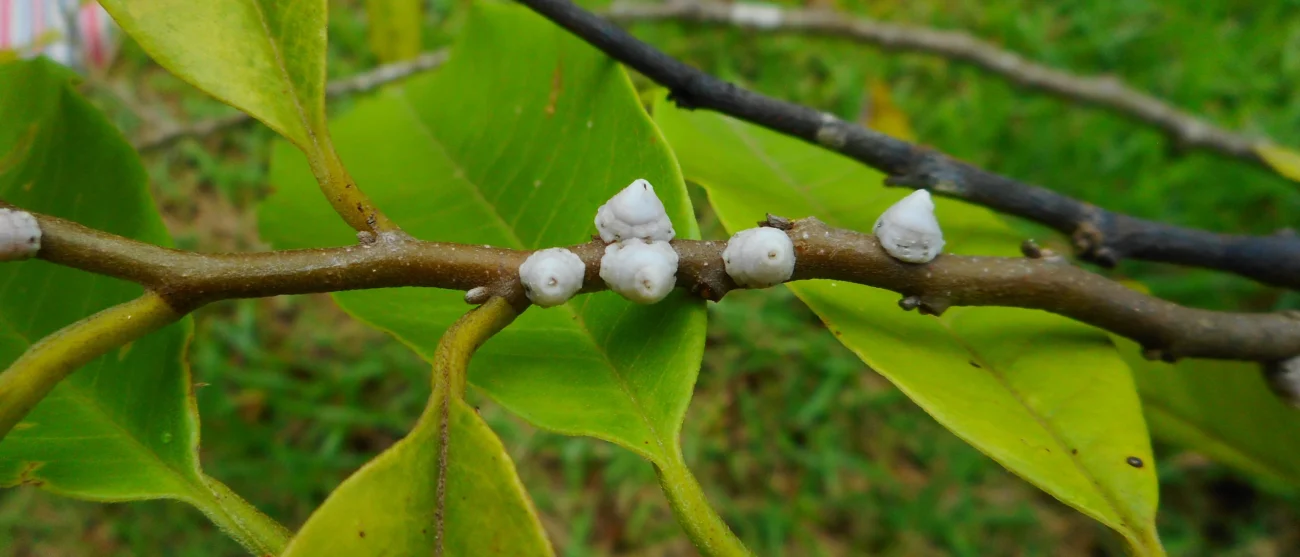
Shield scale insects have a hard, flat body that adheres tightly to the plant, making them difficult to remove manually. They mainly attack fruit trees and woody ornamental plants.
Scale Insects on Major Crops
Scale Insects on Lemons and Citrus
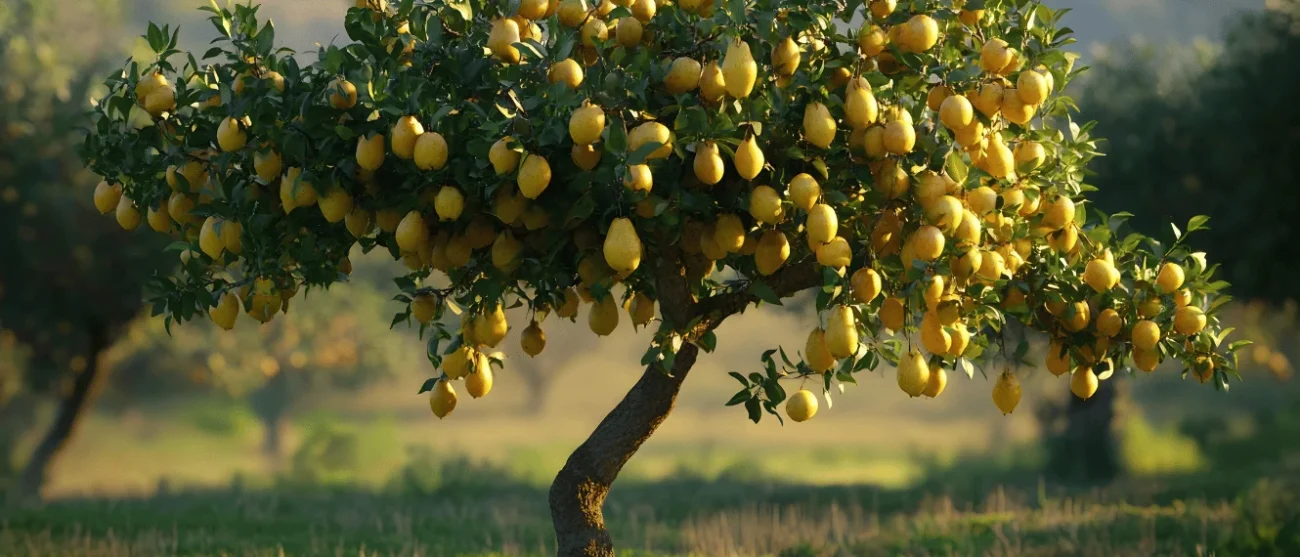
On citrus, especially lemons, scale insects cause sticky leaves, honeydew, sooty mold, fruit drop, and general weakening of the plant. Infested citrus becomes more susceptible to other pests and drought. Fruits remain smaller and less juicy, compromising harvest quality.
Scale Insects on Apple Trees
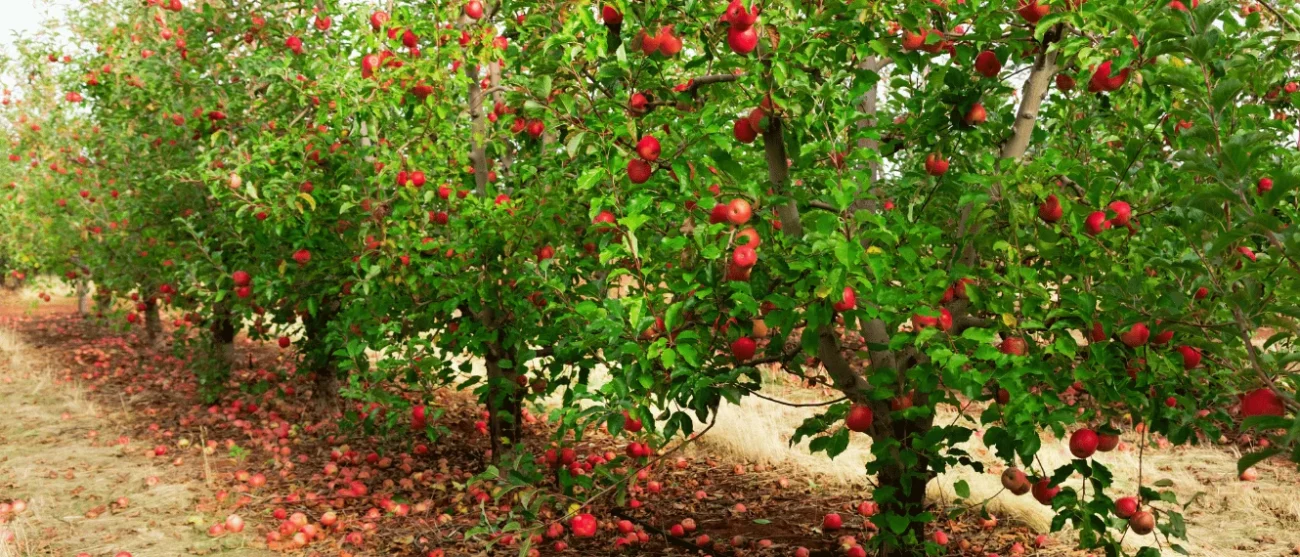
On apple trees, scale insects can colonize young branches and shoots, slowing growth and reducing flowering and fruit production. Experienced growers report losing up to 20% of their harvest due to unchecked infestations. Early monitoring and prevention are essential.
Scale Insects on Cannabis (Indoor and Outdoor)
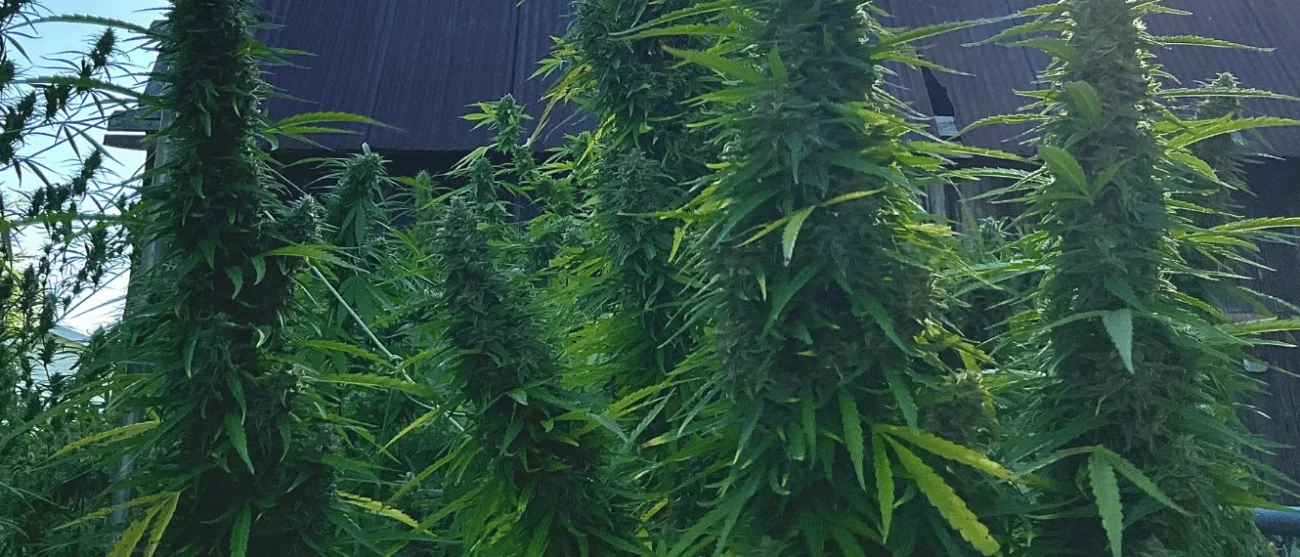
Cannabis is particularly vulnerable: scale insects hide in nodes, under leaves, and among branches, making early detection difficult. Even a few individuals can multiply quickly, affecting final yields. Indoor growers often find plants seemingly healthy, but later discover infestations that severely impact production.
Scale Insects on Garden Plants and Ornamentals
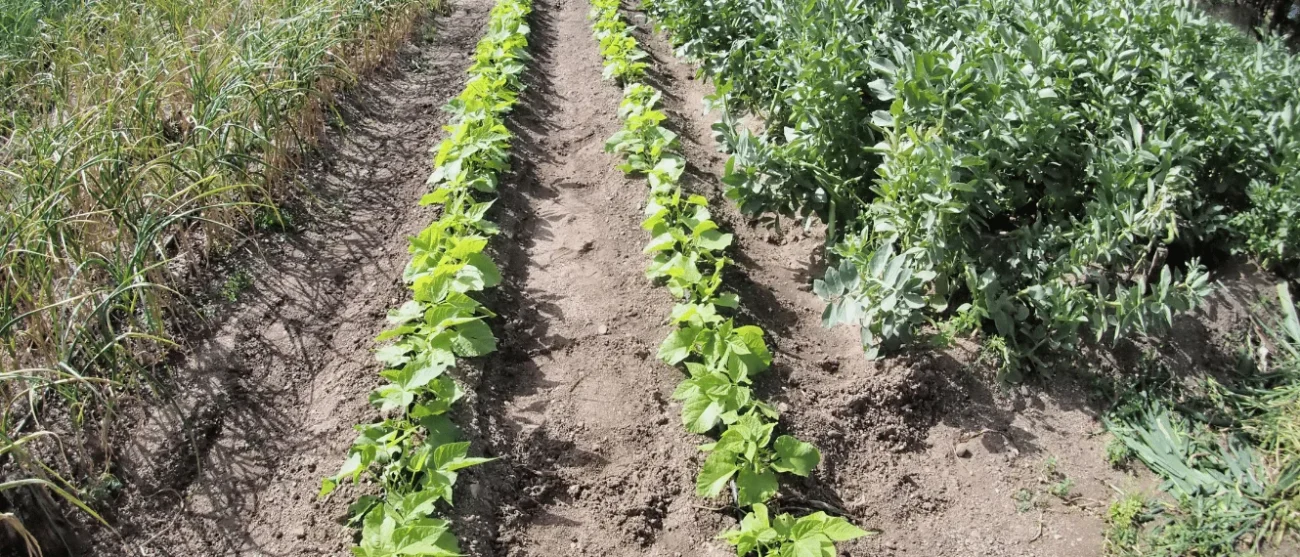
In gardens and ornamental plants, scale insects reduce vigor and productivity. Tomatoes, zucchinis, peppers, herbaceous plants, and ornamental flowers can all become unintended hosts if not treated promptly.
Preventing Scale Infestations
Prevention is always better than cure. Regular plant inspections, proper ventilation, balanced irrigation, and appropriate fertilization greatly reduce the risk of infestations.
- BIOMAGNO EcoTrap – Insect Traps
Adhesive traps to monitor pest presence and reduce populations before they spread. - Biobizz Leaf·Coat
Natural spray that strengthens leaves and creates a protective barrier against environmental stress and small insects.
Natural and Biological Remedies for Scale Insects
Many growers prefer natural and biological methods, which are environmentally friendly and protect beneficial insects. Biological control of scale insects uses natural predators, plant extracts, and plant-strengthening products to manage infestations without harming the plant’s ecosystem.
- Flortis Sapone Molle Bio
Ready-to-use solution that dissolves honeydew, weakens insect cuticles, and fights sooty mold. - Flortis Neem Oil + Nettle
Plant extract with repellent and strengthening action, effective against scale insects and other sap-sucking pests. - Urtimagno BIOMAGNO
Concentrated nettle extract approved for organic farming, with natural insecticidal and acaricidal properties. - Litotamnio Flortis Bio
Mineral powder that creates a physical barrier against insects and pathogens, improving soil structure.
Specific and Professional Treatments
When the infestation is advanced, more targeted treatments may be necessary. Responsible use of professional products allows growers to control scale insects without harming the surrounding environment.
- Natural Pyrethrum Insecticide – Flortis
Natural contact insecticide, effective against many pests, to be used only in severe infestations. - UEBER Aphido Spray Bio
Plant extract based on Rutaceae, with repellent action and indirect pest control. - Flortis Naturae Pine Oil
Natural plant defense enhancer, with preventive and repellent effects against sap-sucking insects.
Conclusions
Scale insects are persistent but manageable pests. An integrated approach based on prevention, monitoring, and targeted biological products effectively protects lemons, apple trees, cannabis, gardens, and ornamental plants.
Consistent use of natural, biological, and plant-strengthening products ensures healthy and productive plants without harming the environment, guaranteeing abundant harvests and high-quality fruits.
Every grower has a story: from wilted branches and lost fruits to thriving plants thanks to constant monitoring and the application of natural remedies. With attention and care, scale insects can be kept under control, keeping your crops safe throughout the year.




 Pest control
 Fertilizer
 LED lamp
 Fans and extractors
 Pots
Pots