



Tetraploid and Triploid Cannabis: What They Are and Why They’ll Change Growing

Choose your preferred AI tool for a quick summary.
 Claude
 Perplexity
 Gemini
 Copilot
Tetraploid and Triploid Cannabis: The Future of Growing?
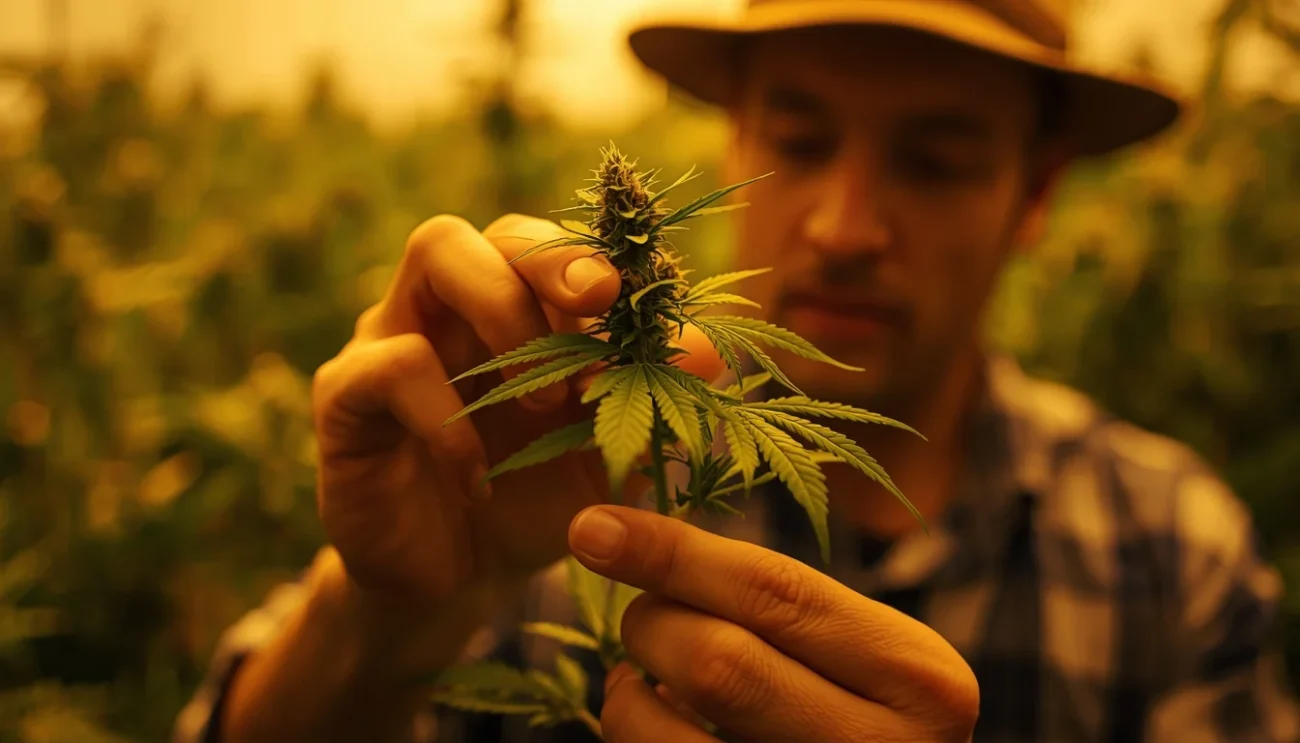
There’s something genuinely fascinating about the way nature always finds new paths. Cannabis, a plant cultivated by humans for thousands of years, never stops surprising us. And today, in some experimental laboratory or grow tent somewhere, someone is observing something truly unusual: plants with more chromosomes than normal, more robust, denser in resin, capable of producing seedless buds. They’re called tetraploids and triploids, and they could change the rules of the game entirely.
But let’s start from the beginning.
What Do Chromosomes Have to Do With Your Plant?
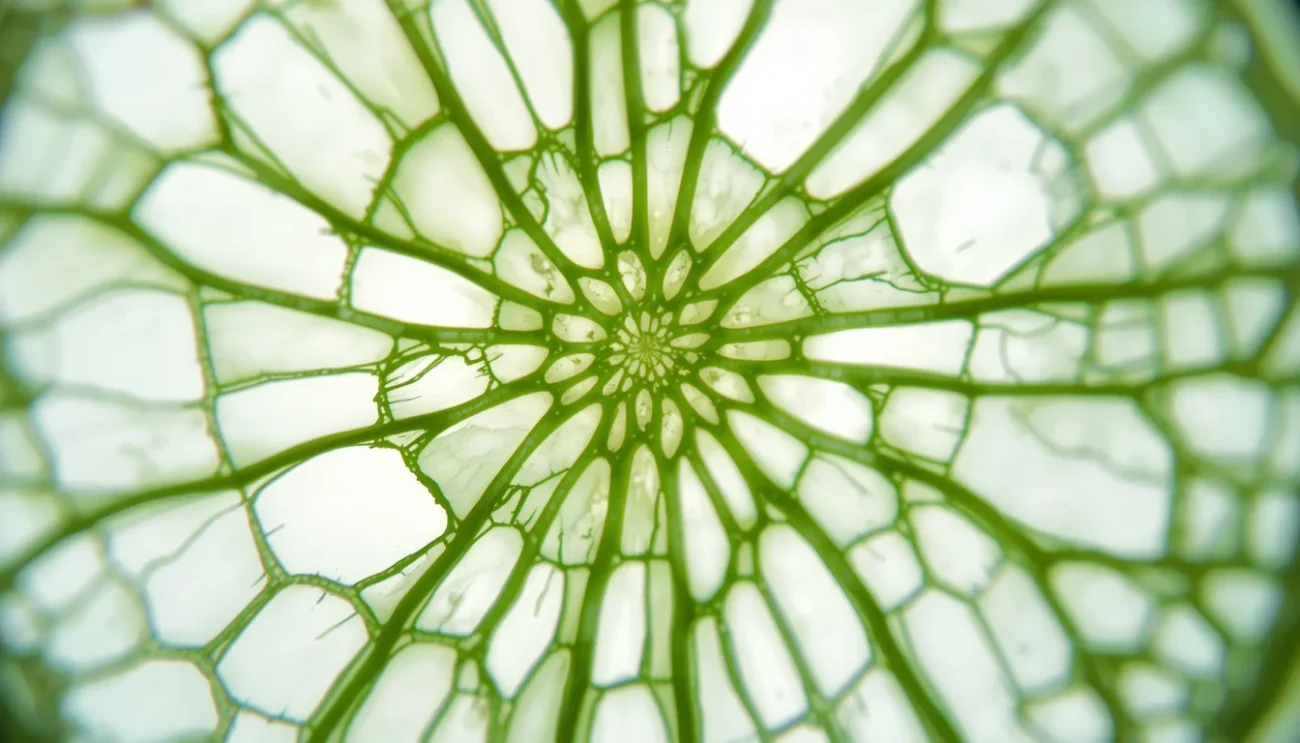
If you’re not a biologist, the last time you heard about chromosomes you were probably sitting in a classroom. Yet understanding this one basic concept is all you need to get to grips with what’s going on here.
The cannabis we know — the kind growing in tents, gardens and greenhouses up and down the country — is a diploid plant. In plain terms: it carries two sets of chromosomes, one inherited from each parent. That’s the norm. That’s the starting point.
Polyploid plants, on the other hand, have something extra. Instead of two sets, they can carry three, four, or even more. And this “extra” isn’t just a detail from a biology textbook: it can radically change how a plant grows, how much it yields, and even how potent it becomes.
The Tetraploid: The Plant With Double
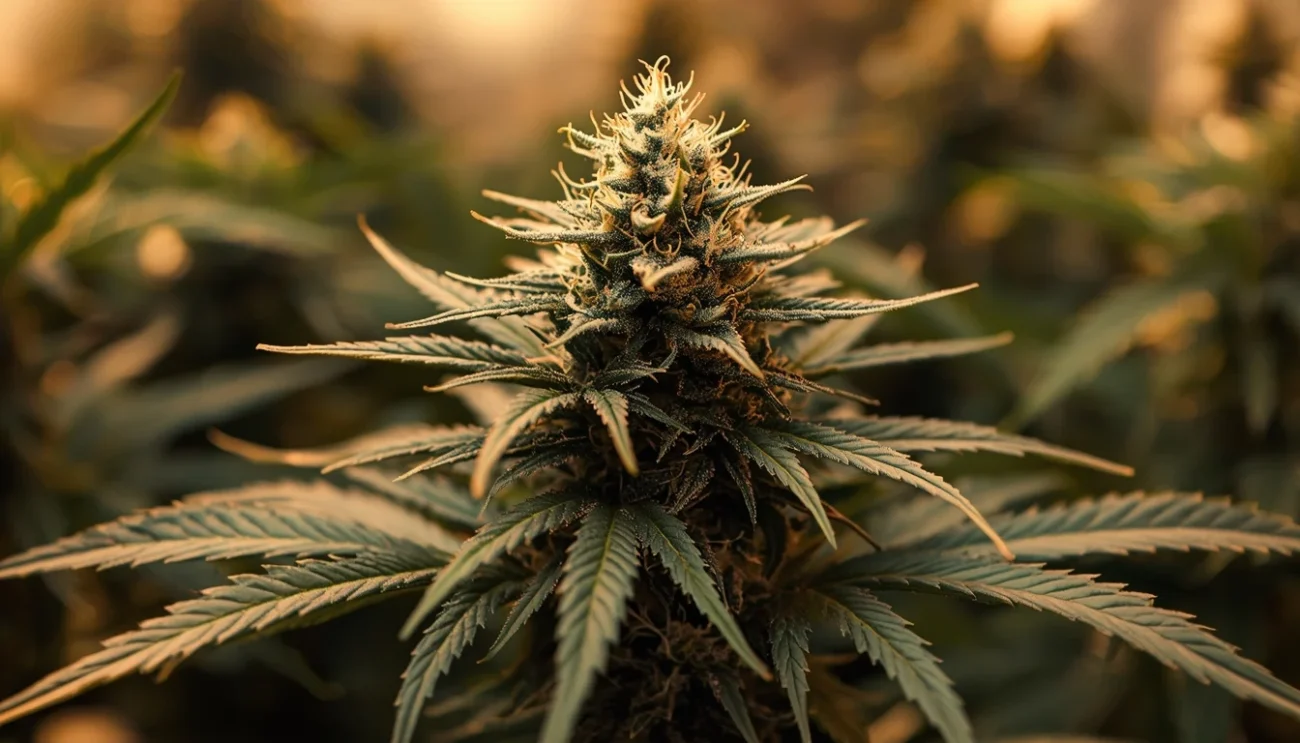
Imagine taking your favourite strain and giving it, in a sense, an extra gear. Tetraploid plants carry four sets of chromosomes instead of two. It happens rarely in nature, but it does occur — a bit like a spontaneous mutation that nature occasionally allows itself.
What changes in practice? Preliminary research points to plants that are larger and more resilient, with broader leaves, denser trichomes and potentially higher concentrations of terpenes. There’s also speculation around higher levels of THC and CBD, though science still has its final word to say on this front.
It’s not science fiction. In agriculture, polyploidy has been used for decades: the wheat in your bread, the potatoes on your plate, certain citrus fruits — many are polyploids, selected precisely because they yield more and hold up better.
The Triploid: No Seeds, Just Bud
This is where things get really interesting.
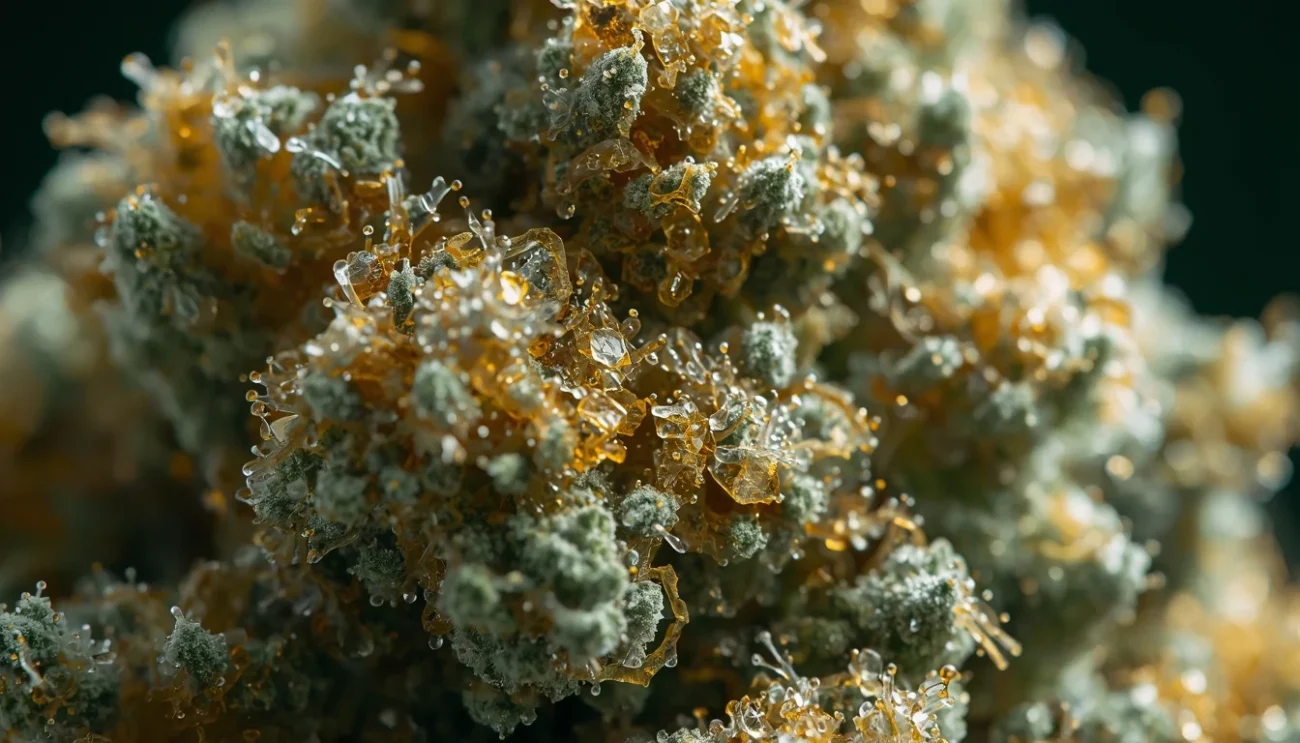
Triploid plants carry three sets of chromosomes, produced by crossing a tetraploid with a normal diploid. The result? A substantially sterile plant, incapable of producing seeds even when exposed to male pollen.
You can already see where this is heading.
Any grower knows that finding a seed in a bud is a small defeat. It means pollen got in somewhere, that the plant spent precious energy making seeds rather than resin. Triploids eliminate this problem at the root — quite literally. Plants remain sinsemilla — seedless — naturally and reliably.
There’s more to it as well: with no reproduction to manage, all the plant’s energy goes straight into the buds. Broader leaves, denser trichomes, potentially superior yields. For commercial growers, or simply anyone wanting to get the most from their space, it’s an advantage that speaks for itself. Combined with optimal organic nutrition, a triploid plant can truly express its full potential.
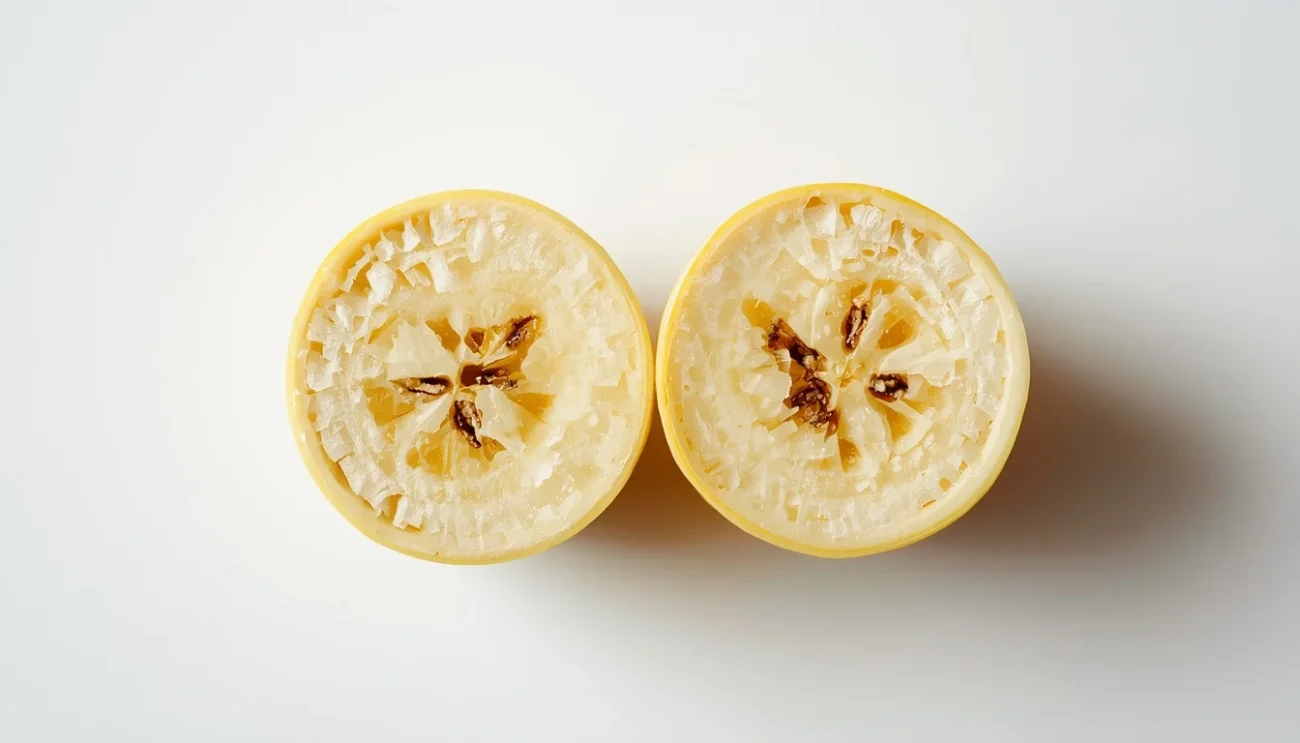
It’s not even a new idea: the bananas you have with your breakfast are triploids. That’s precisely why they have no seeds.
But Does It Actually Work?
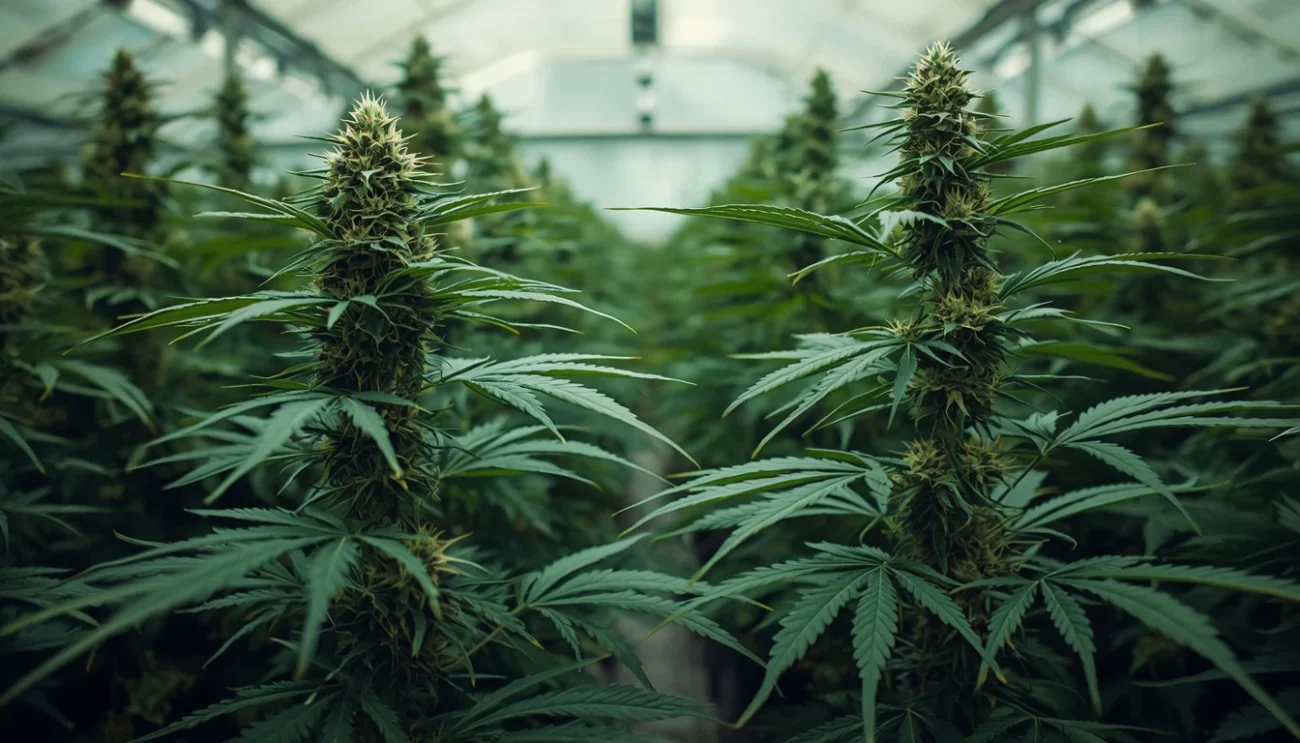
Here we need to be straight, because the best thing about being human is knowing the difference between excitement and reality.
Research on polyploid cannabis exists, but it is still limited and often at an early stage. Promising results are there, but large-scale studies that definitively confirm increased yields or cannabinoid levels are still missing. Some trials have produced exciting outcomes, others more cautious ones.
That said, the interest is far from unfounded. Serious breeders, experimental seedbanks and researchers are working on these genetics with growing enthusiasm. And the direction seems clear enough.
An Evolutionary Leap We’ve Seen Before

There’s a parallel worth drawing here.
Back in the ’90s, feminised seeds seemed like an exotic novelty — almost a gimmick. Then they became the standard. Then came autoflowering strains — and even those were met with scepticism at first. Today they make up a huge chunk of the market.
Polyploid varieties could well follow the same path. It may not happen overnight, and they’re unlikely to replace diploids entirely — which remain irreplaceable for breeders working on new genetics. But as a tool for those growing to produce, they could make all the difference.
What Does All This Mean for You, Today?
In the short term, probably not a great deal. Tetraploid and triploid seeds aren’t yet on the shelves of most seedbanks, and the research still has a fair way to go.
But knowing this evolution is underway changes the way you look at your plant. Cannabis isn’t standing still. Every generation of breeders, every curious researcher, every grower experimenting in their own tent is helping to write the next chapter of a story thousands of years in the making.
And if this story has taught us anything, it’s that nature — and those who study it with respect — never stops surprising us.
Frequently Asked Questions
What is a tetraploid cannabis plant?
A tetraploid cannabis plant is a specimen that carries four sets of chromosomes instead of the usual two. This can occur spontaneously in nature or be induced in a laboratory setting. The result is a genetically more complex plant, with potentially superior characteristics compared to traditional varieties: a more robust structure, broader leaves and denser trichomes.
What is the difference between triploid and tetraploid cannabis?
The difference comes down to the number of chromosome sets. The tetraploid has four sets and is fertile, making it most useful as a “parent” plant in breeding programmes. The triploid has three and is substantially sterile: it produces no seeds even when exposed to male pollen. This is why the triploid is the more practical choice for growers, while the tetraploid is the tool used to create it.
What practical advantages does triploid cannabis offer a grower?
The main advantage is seedless bud production in a natural and reliable way, even when male plants are nearby. This means all the plant’s energy goes into resin production. Preliminary research also points to potentially higher yields, denser trichomes and greater concentrations of terpenes and cannabinoids compared to standard diploid varieties.
Are polyploid varieties better than traditional ones?
Not necessarily better across the board — they’re better suited to different purposes. Polyploids, and triploids in particular, are ideal for those looking to maximise bud production without worrying about unwanted pollination. Traditional diploid varieties remain irreplaceable for breeding, genetic selection and developing new strains. It really comes down to what you’re trying to achieve.
Do polyploid cannabis plants produce different effects to normal varieties?
It’s one of the most interesting questions, and the honest answer is: we don’t know for certain yet. Preliminary research suggests potentially higher concentrations of THC, CBD and terpenes in polyploid plants, which could mean a more intense effect or a richer aromatic profile. Definitive clinical studies are still lacking, however. What does seem clear is that superior trichome density is a very promising sign.
How do you grow polyploid cannabis plants?
The good news is that polyploid plants don’t require drastically different growing techniques compared to traditional varieties. In fact, being genetically more robust, they tend to handle environmental stress, temperature swings and nutritional issues better. The same solid practices you already use — pH control, balanced feeding, light management — work just as well, if not better, with these plants.
Where can I buy tetraploid and triploid cannabis seeds?
Until recently, these seeds were only circulating among specialist breeders and research labs, well out of reach for most growers. That’s about to change: BuDream is on the verge of adding the first polyploid cannabis seeds to its catalogue, bringing these cutting-edge genetics within reach of everyday growers. Keep an eye on the site — the arrival of these seeds will mark a genuine milestone for cannabis cultivation.





 Pest control
 Fertilizer
 LED lamp
 Fans and extractors
 Pots
Pots