








Manuals & Resources
Cannabis Vegetative Stage vs Flowering: Complete Guide
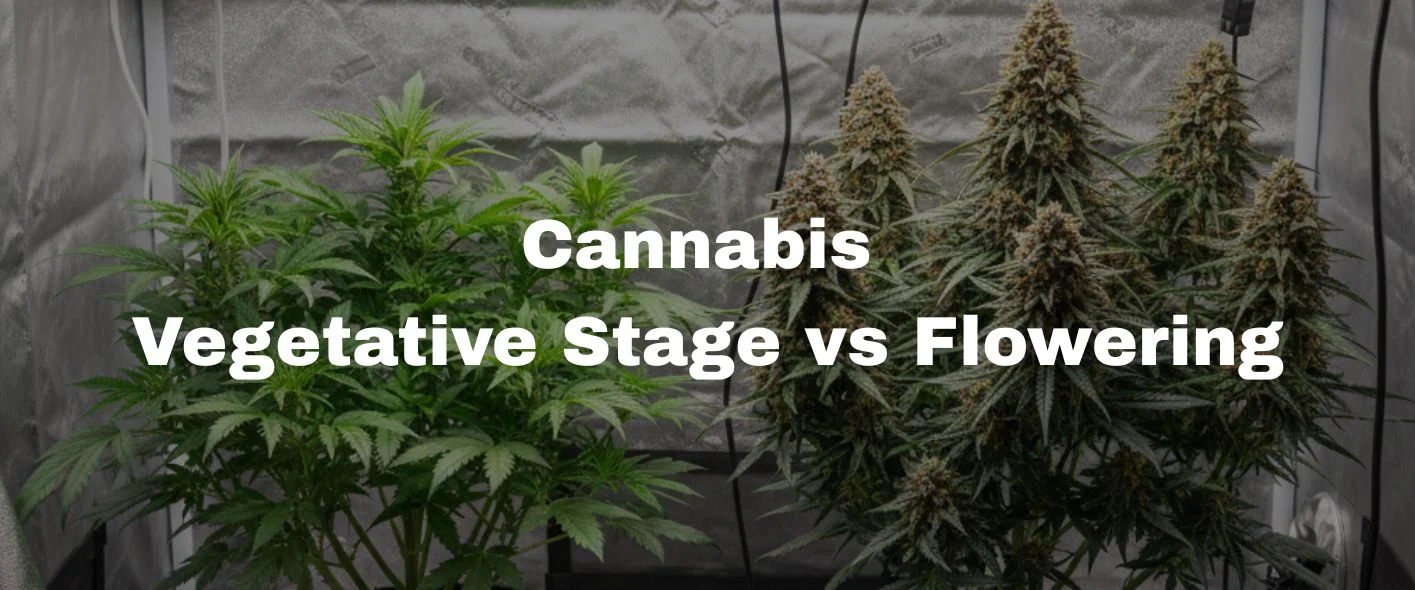
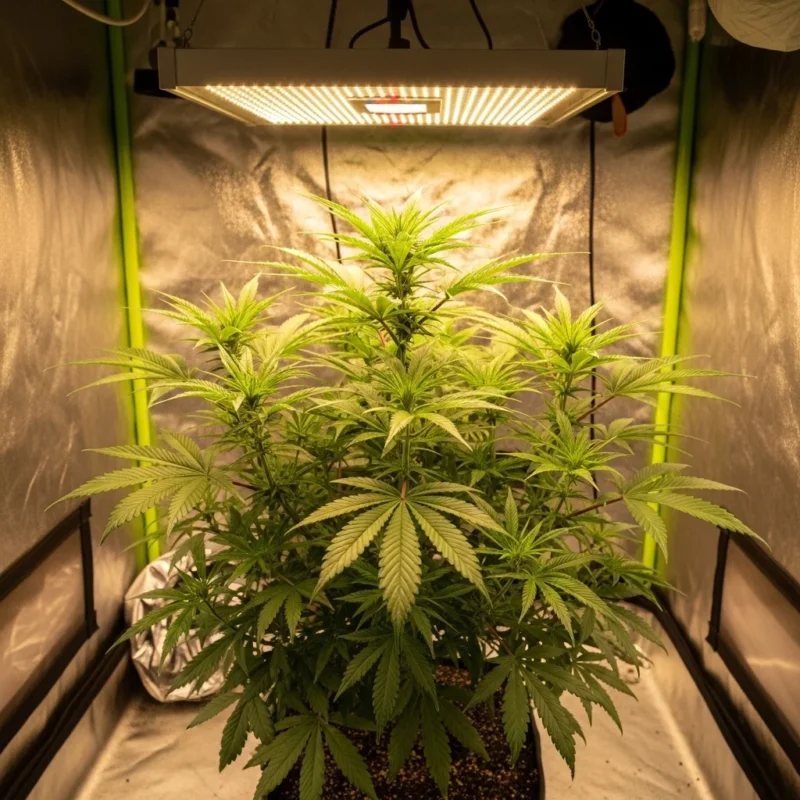
Growing cannabis means learning to read your plant. Before any technique and before any fertiliser, there is one fundamental thing to understand: cannabis goes through two completely different life stages, and each one requires a specific approach.
On one side there is the vegetative stage, where the plant grows, branches out and builds the structure that will carry the fruits. On the other side there is flowering, the grand finale, where all that accumulated energy transforms into dense, resinous buds.
Understanding what happens in each of these stages, when one begins and the other ends, is the difference between a mediocre harvest and a truly satisfying one.
What is the vegetative stage?
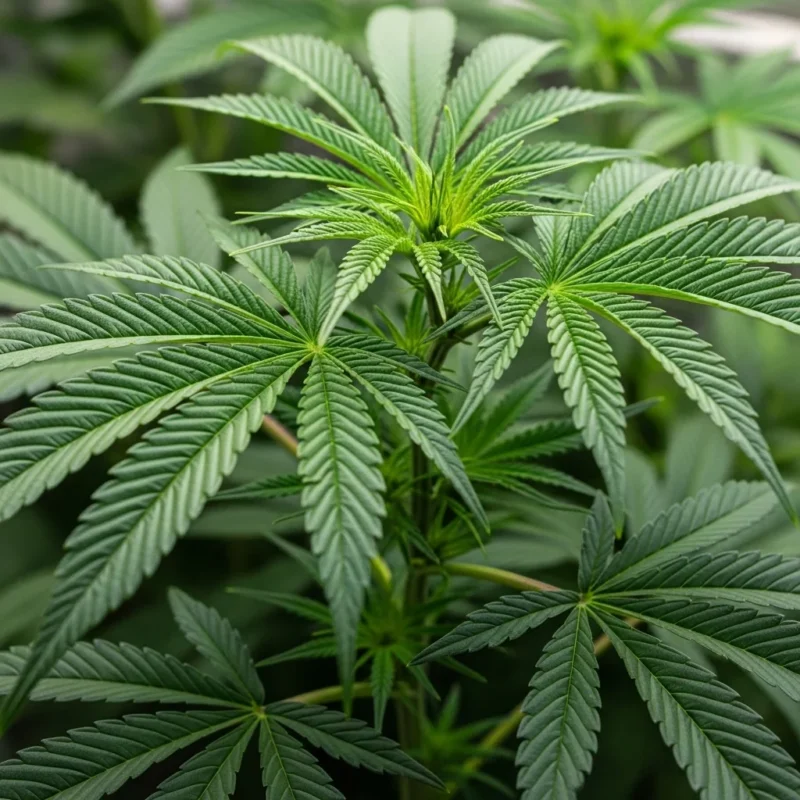
The vegetative stage is the growth period that follows seed germination or the rooting of a cutting. It is the moment when the plant builds everything: roots, stem, branches and leaves. It is not yet producing flowers, it is simply getting big and strong.
This stage can last from 2 to 16 weeks, depending on the genetics of the variety, environmental conditions and the grower’s objectives. In general, the longer the vegetative stage lasts, the larger the plant will be and the greater its productive potential.
During the vegetative stage, the plant needs a lot of light. In indoor cultivation, the ideal cycle is 18 hours of light and 6 hours of darkness. This photoperiod tells the plant to keep growing without yet thinking about flowers.
What happens during the vegetative stage
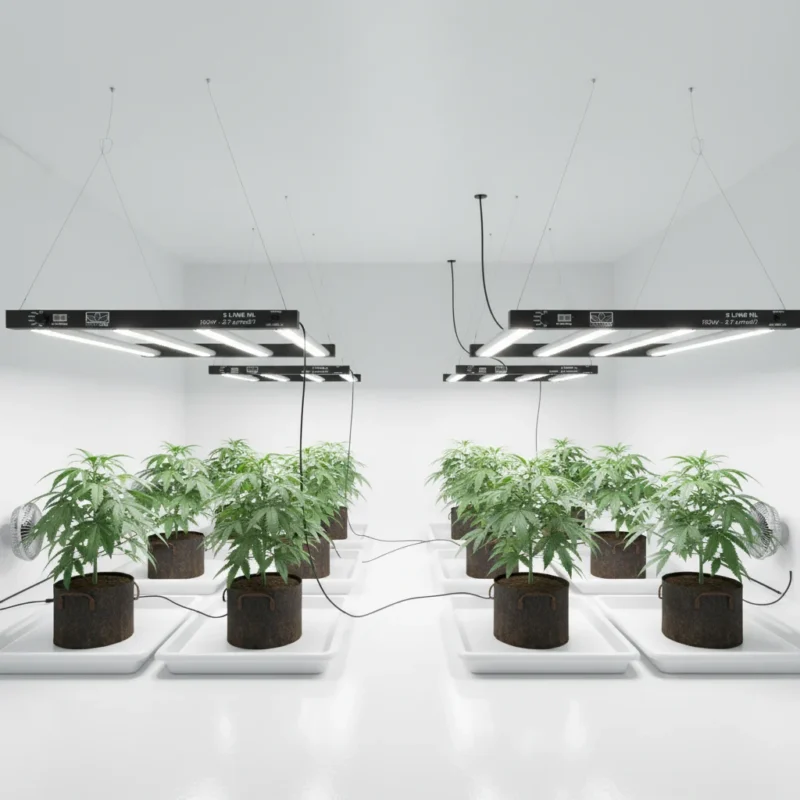
Growth is rapid and visible. The stem elongates, lateral branches develop, and leaves become progressively larger to capture more light. Roots expand deep into the substrate seeking water and nutrients. This is the stage where the plant literally builds its future.
On the nutritional side, during the vegetative stage cannabis needs above all nitrogen, the nutrient responsible for leaf growth and the formation of green tissue. An adequate supply of nitrogen results in vigorous plants with deep, healthy green leaves.
It is also the ideal time to apply training techniques such as Low Stress Training (LST), which involves gently bending branches to encourage a more horizontal structure and increase light exposure. All training techniques should be performed during this stage, never during flowering.
What is the flowering stage?
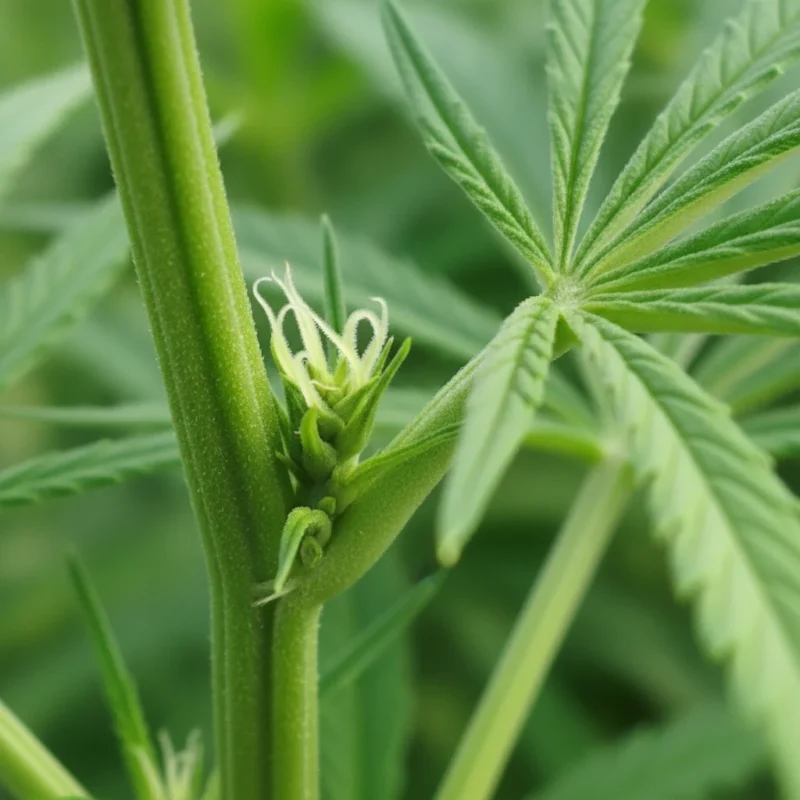
Flowering is the moment when the plant stops growing in height and begins to produce flowers. It is the most anticipated stage for any grower, the one that determines the quality and quantity of the final harvest.
In photoperiod varieties, flowering is triggered by a reduction in light hours. In nature this happens in autumn, when the days get shorter. In indoor cultivation, the grower triggers it by changing the cycle from 18/6 to 12 hours of light and 12 hours of darkness.
In autoflowering varieties, flowering happens automatically after a certain number of weeks, regardless of the photoperiod. This makes them much easier to manage, especially for beginners.
The weeks of flowering
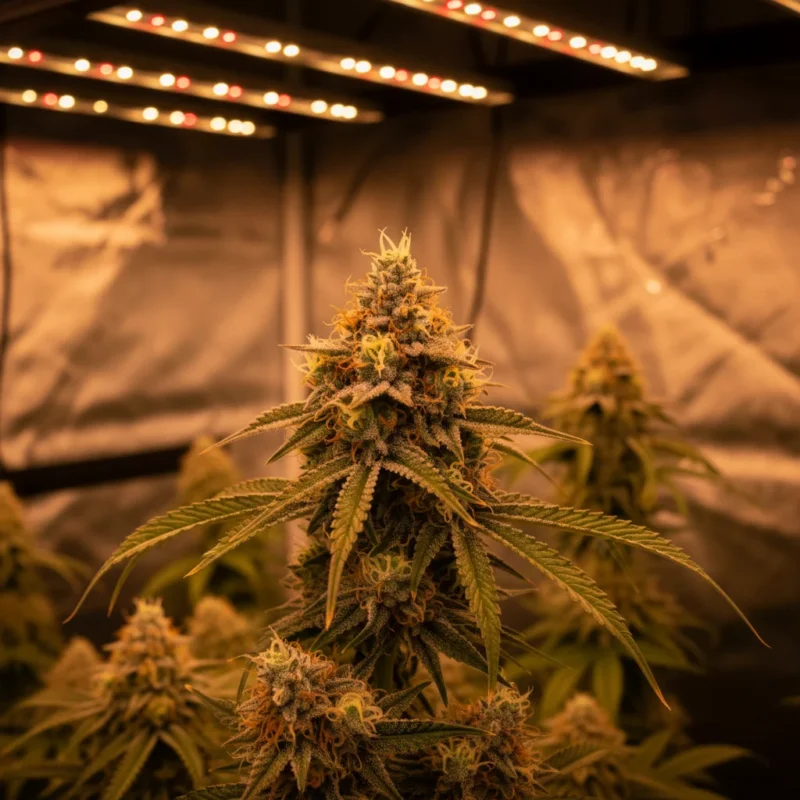
Flowering is not a single event but a process that unfolds over time. Here is what to expect:
Weeks 1-2: pre-flowering and stretch. Plants respond to the photoperiod change with a sudden stretch. They can double or even triple their height in just a few days. The first white pistils appear on the branches, signalling that flower production has begun.
Weeks 3-4: bud formation. Buds begin to form at the sites where the pistils appeared. Trichomes are still underdeveloped, but the aroma starts to become noticeable. This is the time to carefully monitor for any nutritional deficiencies.
Weeks 5-6: development and fattening. Buds grow rapidly and swell. Trichomes become more visible and resin production increases. The smell intensifies considerably. The plant is at its peak nutritional demand.
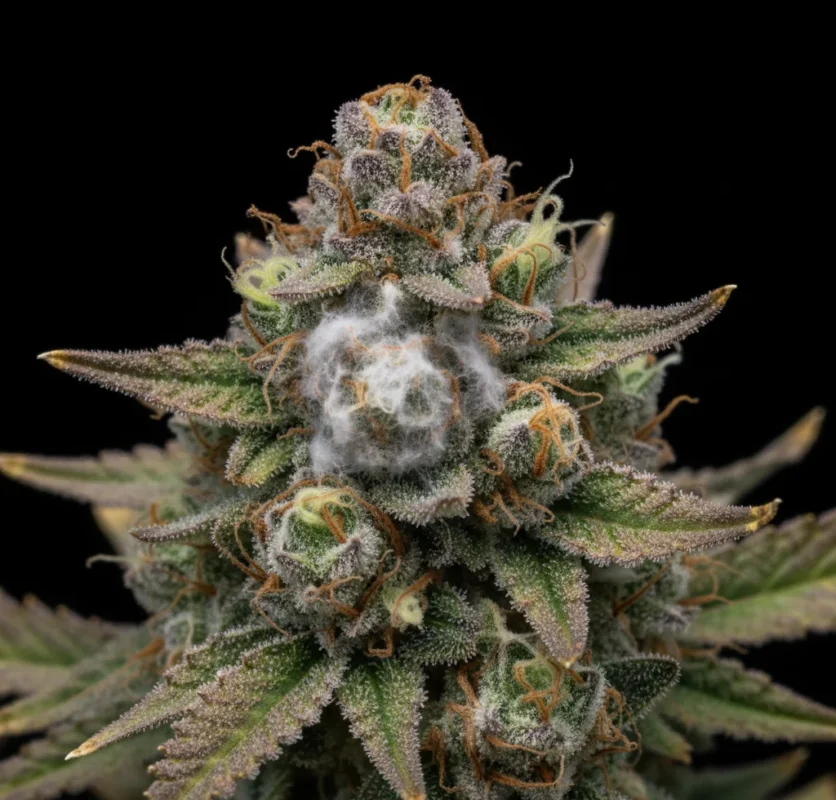
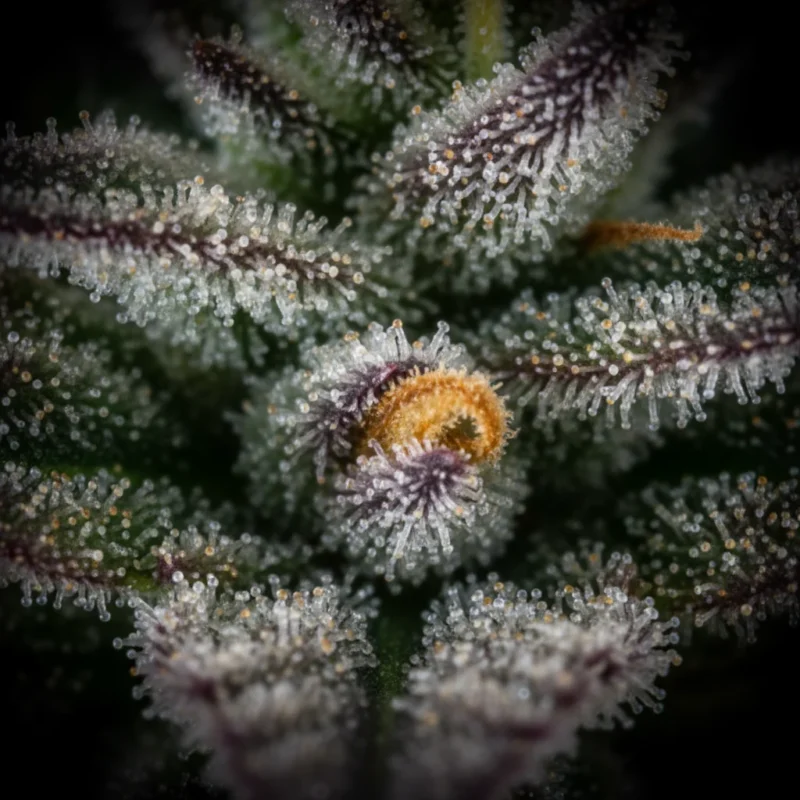
Weeks 7-8: ripening. Buds reach their maximum size. Trichomes transition from clear to milky, then to amber. This colour change is the most reliable signal for knowing when it is time to harvest.
Final week: flush. Many growers stop fertilising in the last week, watering only with clean water. This process, called flushing, helps eliminate mineral salts accumulated in the plant’s tissues, improving the final flavour.
The main differences between the two stages
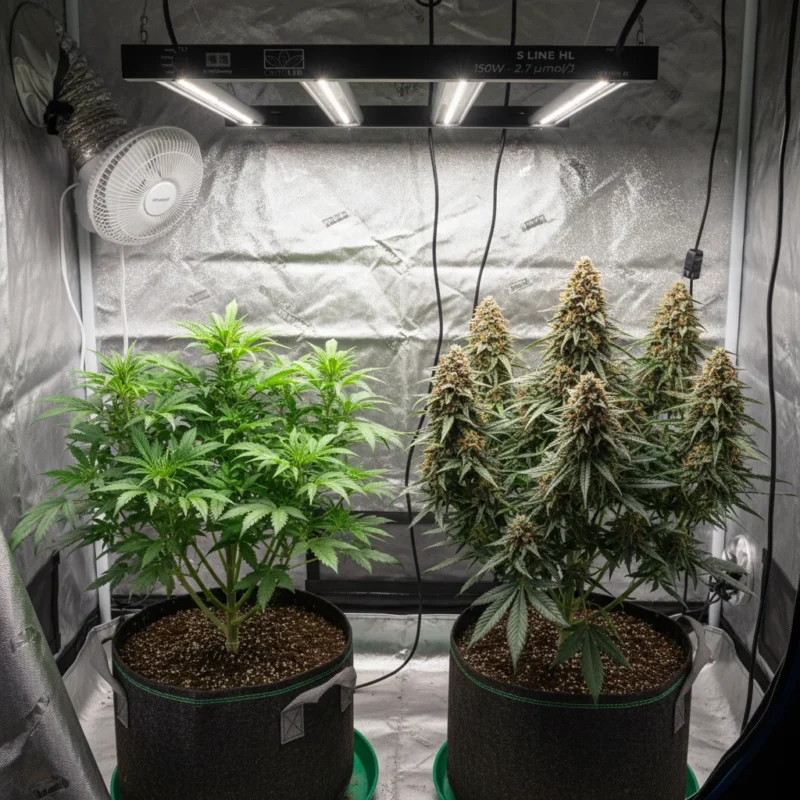
Understanding the differences between the vegetative stage and flowering is not just theory. It has very concrete practical consequences for how you manage your grow every day.
Light
Vegetative: 18 hours of light, 6 of darkness. The plant needs a lot of light to grow and build vegetative mass.
Flowering: 12 hours of light, 12 of darkness (for photoperiod varieties). The cycle change is the signal that triggers flower production. Lamps with a redder and orange spectrum (580-700nm) are ideal during this stage. For a professional and efficient solution, take a look at the Ortoled lights, designed to optimise both growth stages. A great starting point is the Ortoled S-Line Bar Light, a high-efficiency LED bar suitable for both vegetative and flowering.
Nutrients
Vegetative: high nitrogen (N) content. Nitrogen supports leaf growth and tissue formation. A good organic fertiliser such as those from the Biobizz range is perfect for this stage.
Flowering: reduction in nitrogen, increase in phosphorus (P) and potassium (K). Phosphorus and potassium support flower development and resin production. The transition must be gradual to avoid stressing the plant.
Temperature and humidity
Vegetative: ideal temperature between 22 and 28°C, humidity between 50 and 70%. Plants handle higher humidity well during this stage.
Flowering: ideal temperature between 20 and 26°C, humidity between 40 and 50%. Reducing humidity during flowering is essential to prevent mould forming on the buds, especially in the final weeks.
Training
Vegetative: the right time for all training techniques, from LST to topping. The plant has plenty of time to recover and benefit from these techniques.
Flowering: no aggressive training. Plants are concentrating all their energy on flower production. Any stress at this stage can reduce the final yield.
When to switch from vegetative to flowering?
Available space. Remember that during the first weeks of flowering plants can double their height. If you grow in a limited space, it is better to trigger flowering when the plant has reached about half the maximum height you can manage.
Plant size. A larger plant, with more productive sites, will generally give higher yields. If you have space and time, keeping plants in vegetative longer can pay off.
Training techniques applied. If you have used high-stress techniques such as topping or FIM, wait until the plant has fully recovered before triggering flowering. At least two extra weeks of vegetative growth are needed to avoid compromising the results.
The variety. Some varieties grow quickly and can be brought to flowering in 3-4 weeks. Others, especially pure sativas, benefit from longer vegetative periods.
Autoflowering varieties: a different cycle
Autoflowering varieties deserve a separate discussion. They do not depend on the photoperiod to flower: they do so automatically after about 3-4 weeks of vegetative growth, regardless of the light hours received. If you want to learn more about their genetics, read our complete guide to autoflowering seeds.
This makes them much easier to manage, especially for beginners. You do not need to change the light cycle, you do not need to worry about photoperiod mistakes. The plant follows its own internal clock.
The downside is that, having less time in vegetative, autoflowering plants generally produce smaller plants. However, modern quality varieties have closed much of the yield gap compared to photoperiod ones.
Common mistakes to avoid
Triggering flowering too early. A plant that is too small will produce small buds. Make sure it has developed at least 4-5 solid nodes before switching to 12/12.
Triggering flowering with unhealthy plants. If the plant has nutritional deficiencies or is under pest attack, resolve the problems before triggering flowering. In flowering, problems get worse, they do not resolve themselves.
Not reducing humidity during flowering. High humidity in flowering is one of the most costly mistakes. Dense buds retain moisture and are a breeding ground for moulds like botrytis, which can destroy a harvest in just a few days.
Continuing to train during flowering. Any intervention that stresses the plant during flowering takes energy away from flower production.
Harvesting too early. Amber trichomes are the ripening signal. Harvesting with still-clear trichomes means losing potency and aroma.
Respect the timing, respect the plant
The vegetative stage and flowering are not two separate moments: they are two chapters of the same story. What you do in vegetative determines the potential of flowering. And what you do in flowering decides whether that potential is fully expressed.
Take care of the plant in both stages, respect its timing, give it what it needs at the right moment. It will do the rest.
If you are looking for the right varieties to grow, take a look at our selection of autoflowering seeds to start on the right foot. And if you want to deepen your cultivation techniques, do not miss our guide on cannabis cuttings.
Frequently Asked Questions
How long does the vegetative stage of cannabis last?
The vegetative stage can last from 2 to 16 weeks, depending on the variety and the grower’s objectives. In indoor cultivation, the duration is decided by the grower: many switch to flowering after 4-6 weeks, but those wanting larger plants can extend the vegetative stage further. Autoflowering varieties have a fixed vegetative stage of about 3-4 weeks regardless of lighting.
How do you trigger flowering in photoperiod varieties?
In photoperiod varieties, flowering is triggered simply by changing the light cycle from 18/6 to 12/12, meaning 12 hours of light and 12 hours of darkness. This simulates the arrival of autumn and signals the plant to start producing flowers. It is important to keep the cycle consistent: even a small interruption in the dark hours can stress the plant.
What is the difference in nutrients between vegetative and flowering?
During the vegetative stage the plant needs a high supply of nitrogen (N), which supports leaf growth and tissue formation. In flowering the nutritional demand changes radically: nitrogen should be reduced and the need for phosphorus (P) and potassium (K) increases, essential for flower development and resin production. The transition between the two nutritional regimes must be gradual to avoid stressing the plant.
How long does the flowering stage last?
The duration of flowering depends on the variety. Indica genetics tend to flower in 6-9 weeks, while sativas can require up to 12-16 weeks. Hybrid varieties generally fall between 8 and 10 weeks. Autoflowering varieties complete the entire cycle from germination to harvest in approximately 8-11 weeks total.
How do you know when cannabis is ready to harvest?
The most reliable method is to observe the trichomes with a magnifying glass or pocket microscope. Clear trichomes indicate the plant is not yet mature. When they turn milky the plant is at peak potency. When they start turning amber the cannabinoids are degrading and the effect will be more sedative. Most growers harvest with a mix of milky and amber trichomes.
Can you take cuttings during flowering?
Technically yes, but it is not ideal. Cuttings taken from a flowering plant take longer to root and must first return to the vegetative stage before being able to grow normally, a process that requires 2-3 extra weeks. The best time to take cuttings is always during the vegetative stage, when the plant is at its peak vigour and the tissue roots more easily.
What humidity is needed during flowering?
During flowering it is essential to keep relative humidity between 40 and 50%. In the last two weeks before harvest it is worth dropping further, even below 40%, to encourage resin production and completely prevent the risk of mould. High humidity at this stage is one of the most common mistakes and can cause botrytis, a grey mould that can destroy a harvest in just a few days.
⚖️ Legal Notice and Disclaimer
This article is written exclusively for informational and educational purposes. BuDream does not encourage, promote or facilitate illegal activities. Cannabis cultivation is subject to different regulations depending on the country and jurisdiction. It is the sole responsibility of the reader to verify and comply with applicable local laws before putting any technique described in this article into practice. BuDream disclaims all liability for any use of the content that does not comply with the laws in force in the reader’s country.
 Seed Shop
 Head Shop
 Vaporizers
 Cosmetics
 Growshop
 Grow Box
 Ornamental plants
 Fans and extractors
 Pots
Pots LED lamp
 Fertilizer
 Pest control