













Manuals & Resources
Outdoor Cannabis Growing Guide: Spring 2026
What You Need to Know Before Growing Outdoors in Spring 2026
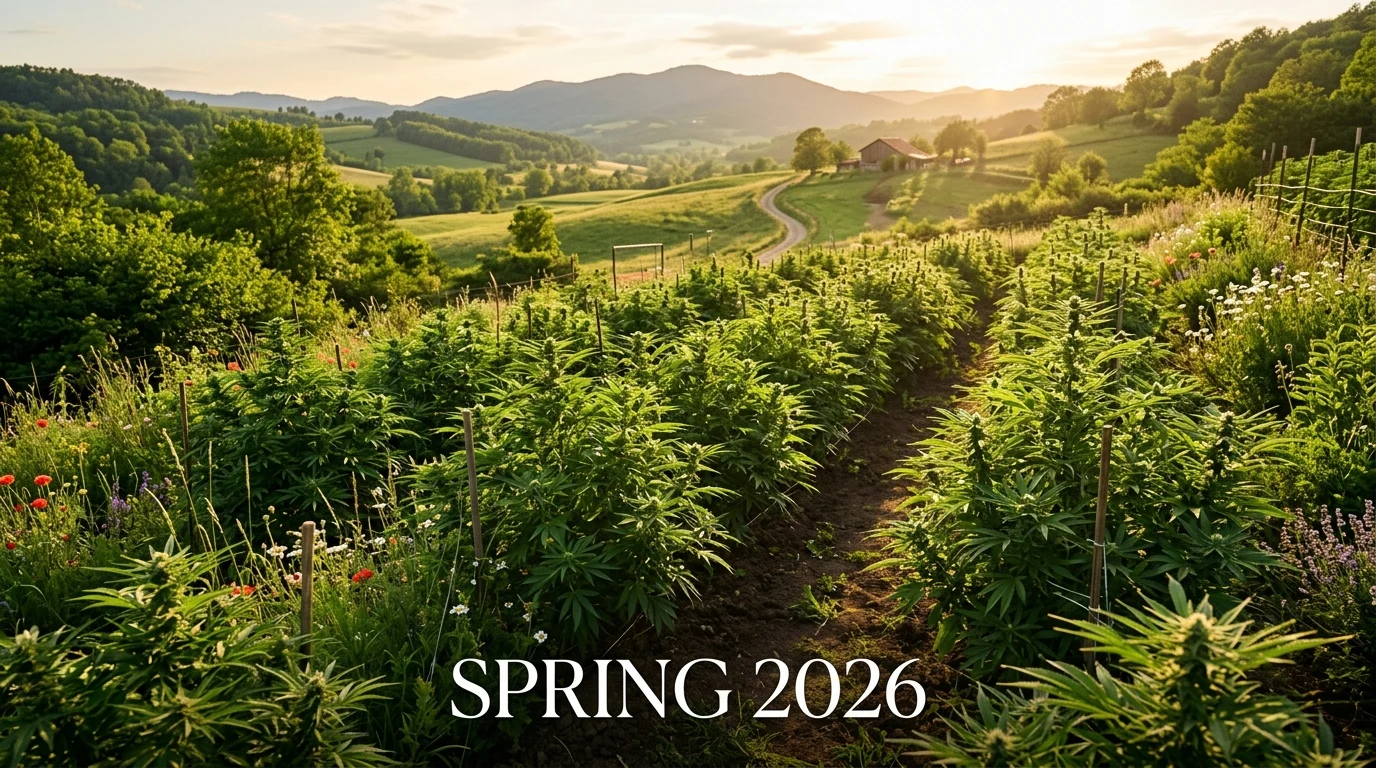
Spring is already here — it is 15 April 2026, the days are getting longer, temperatures are rising and the ideal moment to put your plants outside is right now. Whether you are an experienced grower or embarking on your first outdoor grow, this guide walks you through everything you need to know to get the most out of your outdoor cannabis cultivation this season.
Feminised Photoperiod Varieties
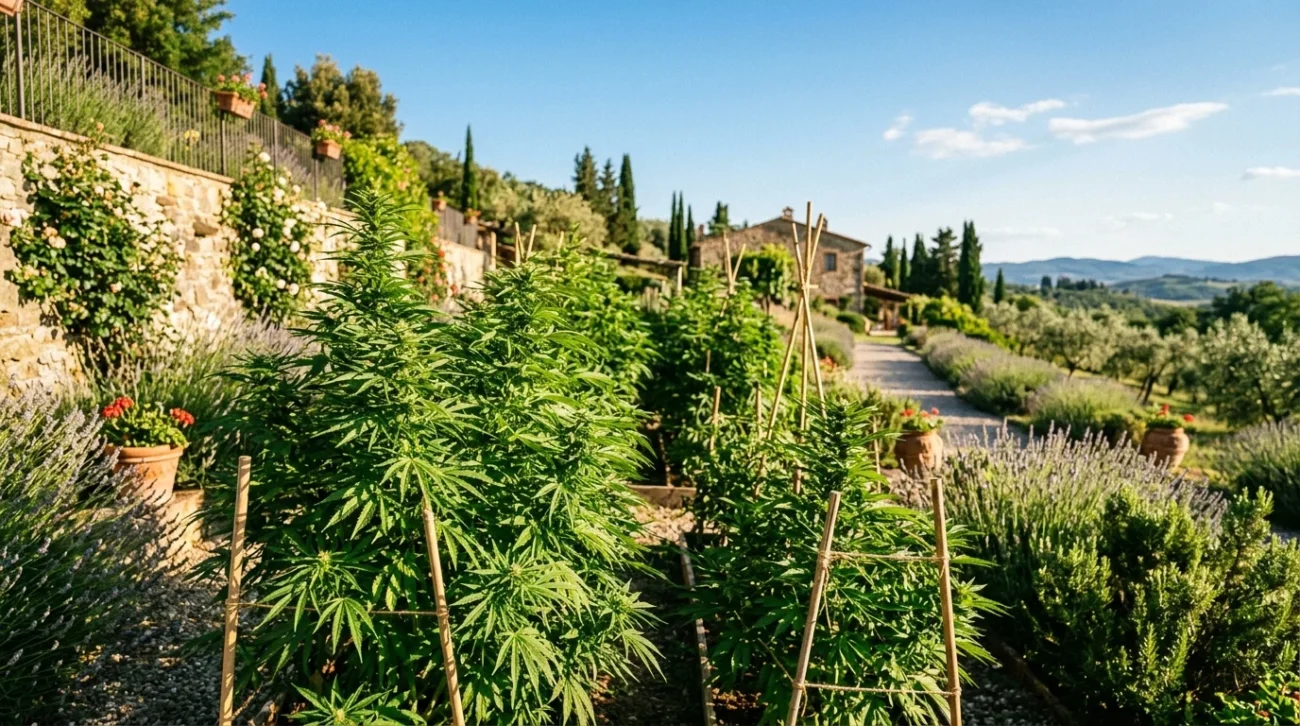
Feminised photoperiod varieties are the classic choice for spring outdoor growing. These plants grow through spring and summer in the vegetative phase, making the most of the long daylight hours, and automatically switch to flowering when light drops below 12 hours per day — typically between late July and August in the Northern Hemisphere.
Advantages: large plants, abundant yields, extensive root development.
What to know in April: if you put your plants outside now, they have the entire season ahead of them to grow. Some photoperiod outdoor varieties can reach 2–3 metres in height — plan your space accordingly. Top choices for 2026 include Mediterranean cultivars, Indica/Sativa hybrids with medium flowering times (8–9 weeks) and mould-resistant varieties for humid climates.
Feminised Autoflowering Varieties
Autoflowering varieties are the ideal choice for growers who want fast, multiple harvests in the same season. They do not depend on the photoperiod: they begin flowering automatically 3–4 weeks after germination, regardless of light hours.
Advantages: fast cycle (60–75 days total), compact size, perfect for balconies and small spaces, resilient to weather fluctuations.
April 2026 strategy: starting now, you can complete a first cycle by June–July and kick off a second cycle in summer for an autumn harvest. One season, two harvests.
Starting Seedlings Indoors
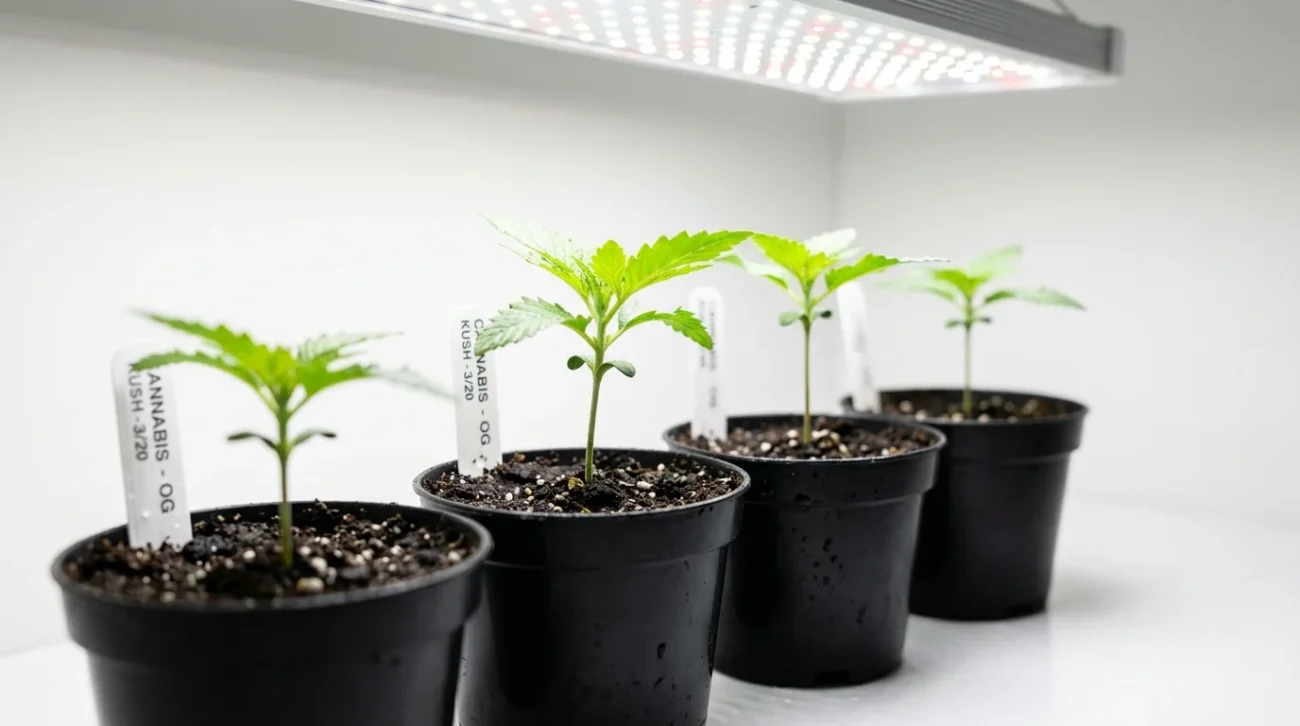
Even though we are in mid-April, nights can still be cool in many areas. Starting seedlings indoors for 1–2 weeks before moving them outside is a wise practice.
How to proceed:
Germinate seeds in water or damp paper towel for 24–48 hours. Transfer to rock wool cubes or 0.5 L pots with a light substrate. Maintain temperature between 22–26°C and humidity at 65–70%. Use an LED or fluorescent lamp for 18 hours of light per day. After 10–14 days, when seedlings have 2–3 pairs of true leaves, begin hardening off: expose them outdoors for 1–2 hours per day, gradually increasing over the course of a week.
The Best Growing Medium
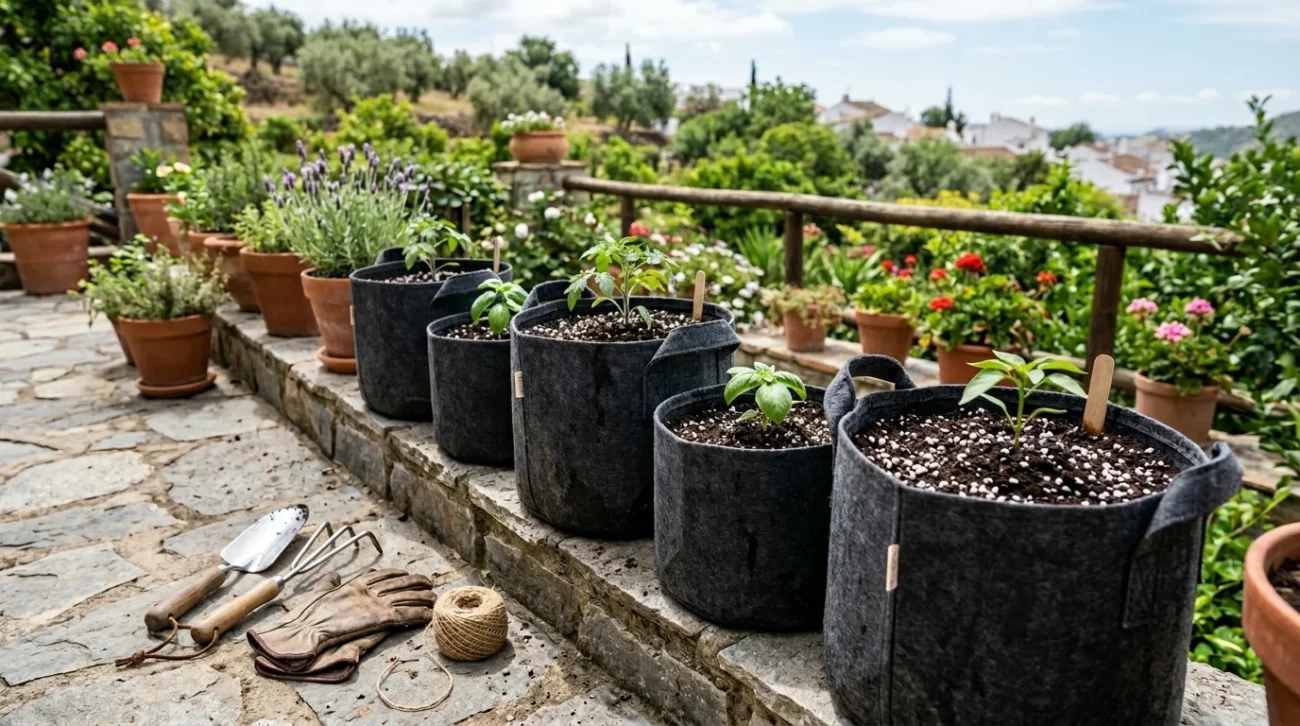
The growing medium is the foundation of success. For spring outdoor growing you have two main options:
Amended outdoor soil: if growing directly in the ground, prepare the site by adding mature compost, perlite (15–20%) and coco coir to improve drainage. The ideal pH is between 6.0 and 7.0.
Container mix: for pot-based growing, a solid mix consists of 50% quality potting soil, 30% compost, 10% perlite and 10% coco coir. Avoid overly compact substrates or those with excessive peat.
2026 tip: living soil substrates enriched with mycorrhizae and beneficial bacteria are delivering outstanding results in organic outdoor growing — investing in a quality living soil drastically reduces the need for additional nutrients.
Pot Size
Pot size directly determines plant size and final yield. Golden rule: the bigger the pot, the bigger the plant.
Quick guide:
Autoflowering → 15–25 litres. Small/medium photoperiod → 25–50 litres. Large photoperiod → 50–100 litres or directly in the ground. Direct in-ground growing → ideal for maximum root development and record yields.
Always use pots with good drainage. Fabric pots are highly recommended for outdoor growing as they allow air-pruning of the roots, improve oxygenation and prevent waterlogging.
Security Considerations
Security is an aspect that should never be overlooked.
Visual discretion: choose compact varieties for balconies or use companion plants — tomatoes, sunflowers, shrubs — to visually conceal your grow.
Access: make sure the growing area is not accessible to unwanted visitors. Fencing, locks and cameras are common solutions.
Neighbours: during flowering, aromas can become intense. Plan the location of your grow taking into account the prevailing wind direction and distance from adjacent properties.
Greenhouses
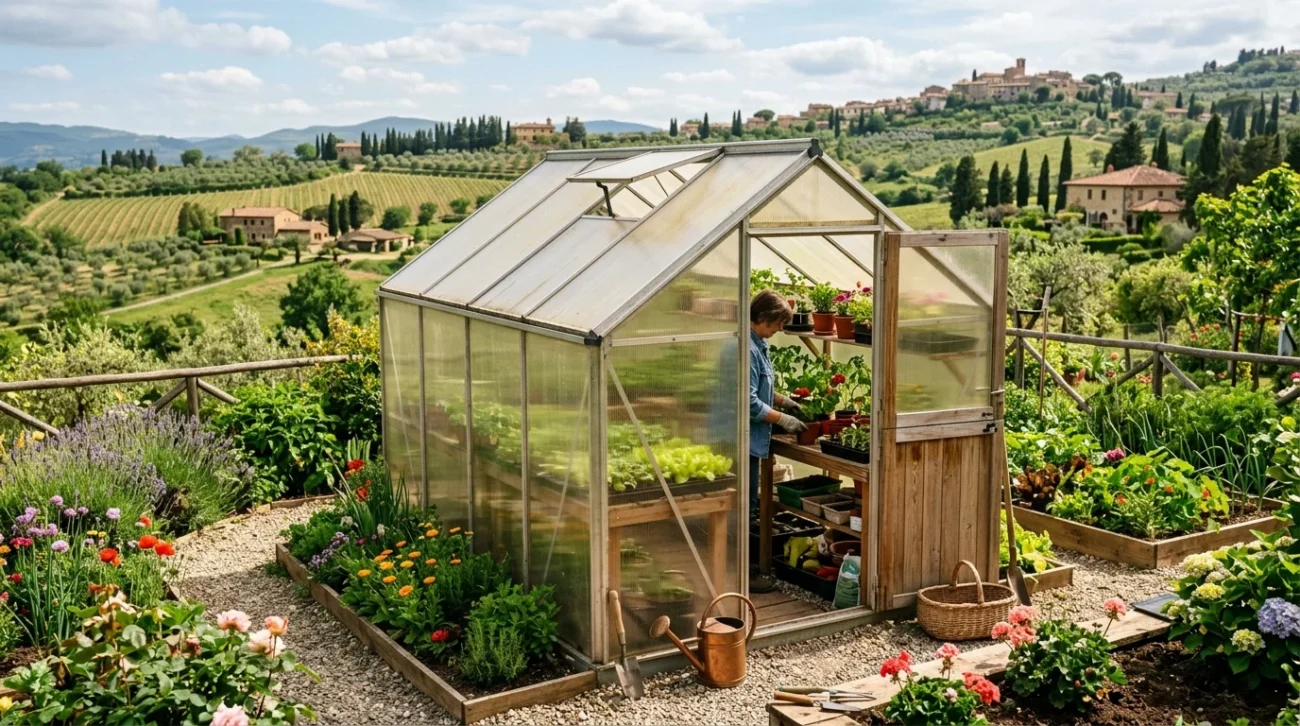
A greenhouse is one of the smartest investments an outdoor grower can make. Even a simple polycarbonate or PVC greenhouse offers significant advantages:
Protection from heavy rain and hail. Partial humidity control, reducing the risk of mould. Starting the season 2–3 weeks earlier by protecting seedlings from cold nights. Extending the season into autumn during the final flowering stages.
Pest Insects
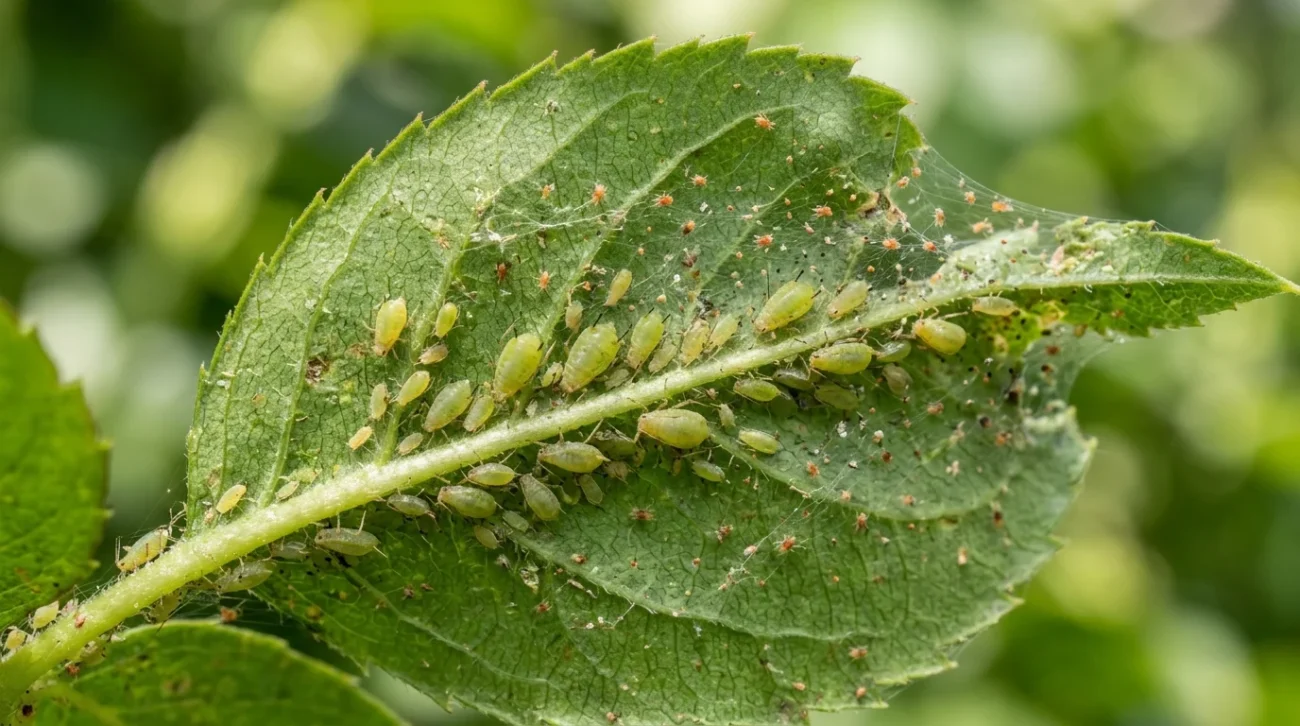
Spring brings a revival of life — including pest insects. The most common ones to watch out for:
Aphids: colonies of small insects under the leaves. Treat with neem oil or diluted castile soap. Spider mites: appear during hot, dry spells. Increase humidity and use garlic extract spray. Thrips: leave silver streaks on leaves. Treat with natural predators such as Amblyseius cucumeris. Slugs and snails: problematic in the early weeks. Use iron phosphate baits or spread ash around the base of plants.
Prevention: inspect your plants every 2–3 days, especially under the leaves. Always act at the first sign — a small infestation is easy to solve; a large one can compromise the entire grow.
Which Nutrients to Use
Vegetative phase: high nitrogen (N), moderate phosphorus and potassium. Supports leaf and structural development.
Pre-flowering: reduce nitrogen, increase phosphorus (P) and potassium (K) to support flower formation.
Flowering: low nitrogen, high P and K. Add calcium and magnesium if needed. Bloom boosters in the final weeks.
Final flush (last 1–2 weeks): water only to clear nutrient residues.
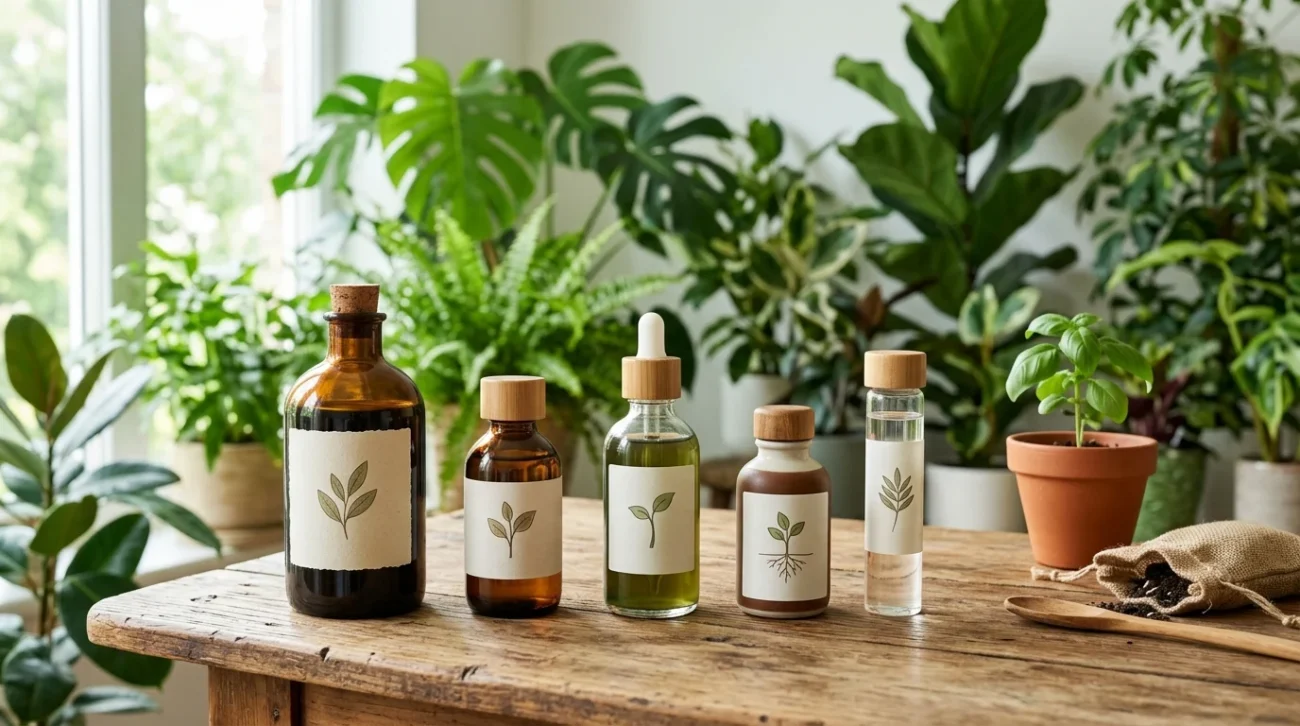
For an organic approach, compost tea, bat guano, seaweed meal and trichoderma are excellent natural allies that improve soil life and nutrient availability.
Common Mistakes to Avoid
Putting plants outside too early without acclimatisation — cold night shock can stall growth for weeks.
Overwatering — overwatering is the number one cause of seedling death. The growing medium should partially dry out between waterings.
Pots that are too small — constricted roots mean stressed plants and reduced yields.
Ignoring water pH — ideal range is 6.0–7.0 for soil, 5.5–6.5 for hydroponics.
Neglecting prevention against pests and mould.
Not preparing the substrate in advance — a living soil needs 2–4 weeks to activate properly.
Top Tips for Planting Outdoors in Spring
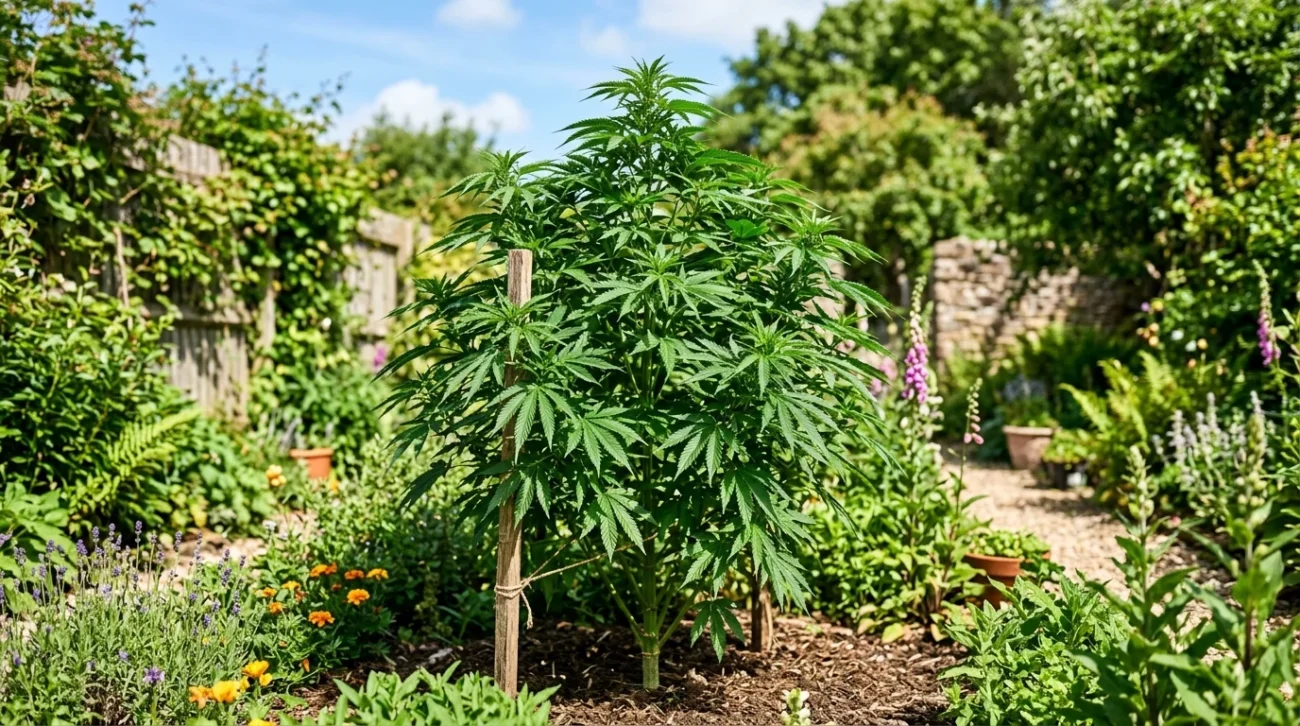
We are already in mid-April — here are the practical tips for this specific moment in the season.
Start autoflowering seeds right now — every day lost is a day of light lost. Move photoperiod plants outside gradually this week if nights are above 10°C. Prepare your substrate or in-ground growing site over the next few days. Check local weather forecasts — avoid exposing young plants to heavy rain or hail. Carry out the first preventive neem oil treatment before the end of April. Label each plant with the variety name and germination date to properly track the season.
Avoid Using Counterfeit or Low-Quality Cannabis Seeds
One of the most costly mistakes — in terms of time, money and disappointment — is buying seeds from unreliable sources. Poor quality or counterfeit seeds can present low or zero germination rates, unstable genetics with hermaphrodite plants, false information about flowering times and yields, and no guarantees or after-sales support.
Always buy from certified seedbanks with a solid reputation that guarantee genetic traceability, variety stability and reliable customer service. A good seed is the foundation of everything — never cut corners on genetics.
Final Thoughts
Spring 2026 looks set to be a season full of opportunities for outdoor growers. With the days already long, temperatures climbing and a seed market richer than ever in high-performing genetics, the conditions are ideal for outstanding results.
Plan carefully, choose the right varieties for your climate and space, invest in a good growing medium and never neglect prevention. Outdoor growing is one of the most rewarding experiences for plant lovers: the sun, the fresh air and nature do half the work — the rest is up to you.
Happy growing season to all.
⚖️ Legal Disclaimer
This article is written exclusively for informational and educational purposes. Cannabis cultivation laws vary from country to country and region to region. Before starting any cultivation, verify the laws applicable in your country and local jurisdiction. The information in this article does not constitute legal advice.
 Seed Shop
 Head Shop
 Vaporizers
 Cosmetics
 Growshop
 Grow Box
 Ornamental plants
 Fans and extractors
 Pots
Pots LED lamp
 Fertilizer
 Pest control