















Manuals & Resources
CBG (Cannabigerol): What It Is, Benefits and Differences with CBD and THC
CBG (cannabigerol) is rapidly emerging as one of the most promising cannabinoids in the therapeutic cannabis landscape. Often referred to as “the mother cell” or “the precursor” of all cannabinoids, CBG is less well-known than CBD and THC, but scientific research published in recent years is revealing extraordinary therapeutic potential.
Unlike THC, CBG is not psychoactive — it does not produce mind-altering effects — making it safe for daily use and suitable for those seeking therapeutic benefits without compromising mental clarity and cognitive performance. From anti-inflammatory properties to neuroprotection, from gastrointestinal health to ocular support, cannabigerol represents one of the most interesting frontiers in cannabinoid research.
What Is CBG and Why Is It Called the “Mother Cannabinoid”
Cannabigerol (CBG) is a non-psychoactive phytocannabinoid found in the cannabis plant. It is one of over 100 identified cannabinoids, but it plays a unique and fundamental role in cannabis biochemistry: CBG is in fact the chemical precursor from which other major cannabinoids are derived.
During plant growth, CBG is initially found as cannabigerolic acid (CBGA), present in trichomes — the small resinous outgrowths that cover flowers and leaves. As the plant matures, specific enzymes convert CBGA into other cannabinoid acids:
– THCA (tetrahydrocannabinolic acid) → becomes THC with heat
– CBDA (cannabidiolic acid) → becomes CBD with heat
– CBCA (cannabichromenic acid) → becomes CBC with heat
This conversion process explains why CBG is present in very low concentrations in mature plants: typically less than 1% in traditional varieties, compared to 20-25% CBD and 25-30% THC. However, in young plants or specifically selected varieties, CBG concentration can reach up to 10%.
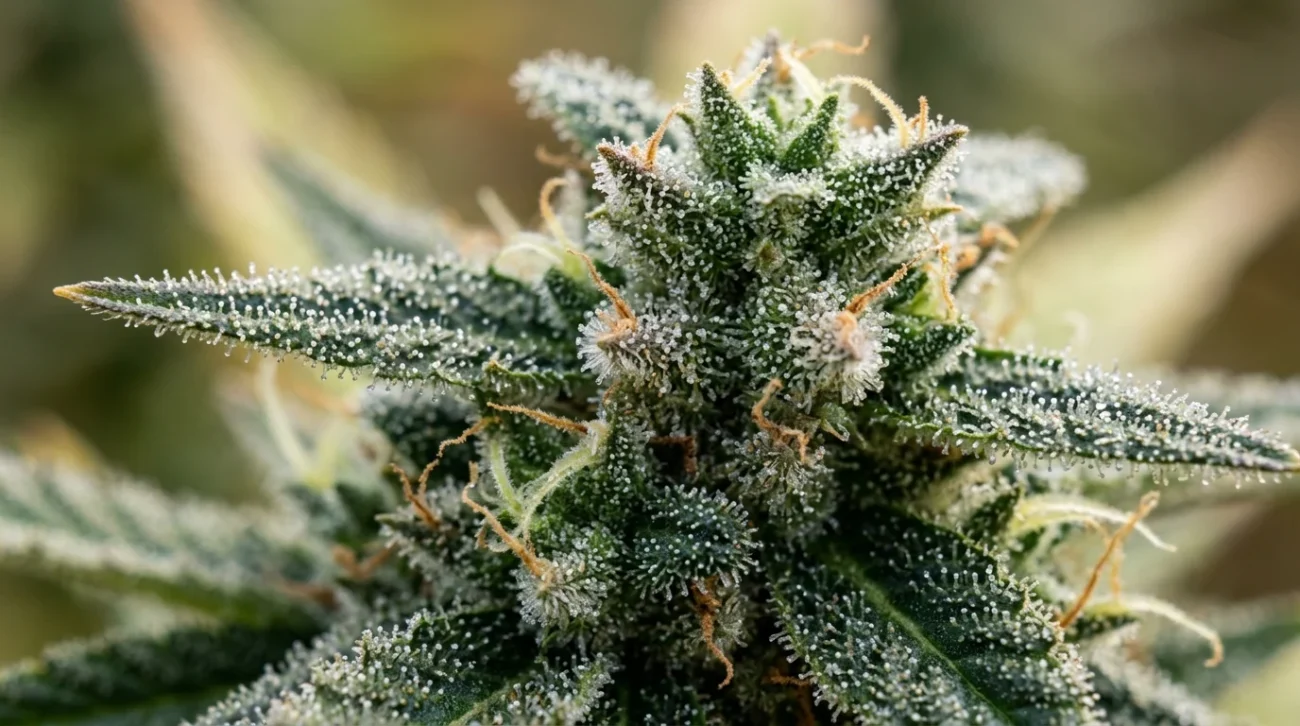
This relative scarcity makes CBG rarer and more valuable: obtaining CBG oils or extracts requires large quantities of raw material or specific cultivation techniques — such as early harvesting — which involve higher production costs compared to CBD.
How CBG Works: The Endocannabinoid System
CBG exerts its effects on the body through interaction with the endocannabinoid system (ECS), a complex network of receptors, enzymes and signalling molecules that regulates numerous physiological functions: mood, pain, inflammation, appetite, sleep, immune response and memory.
Unlike CBD — which acts primarily indirectly by modulating enzymatic activity and influencing other receptors — CBG binds directly to CB1 and CB2 receptors of the endocannabinoid system:
CB1 receptors — concentrated mainly in the central nervous system (brain and spinal cord), but also present in the peripheral nervous system, liver, lungs and muscles. CBG acts as a partial antagonist of CB1, modulating their activity without completely blocking them.
CB2 receptors — concentrated in the immune system, spleen, thymus, tonsils and blood cells, but also present in the central nervous system and gastrointestinal tract. CBG activates CB2 with an immunomodulatory and anti-inflammatory action.
In addition to interaction with CB1 and CB2, CBG also acts on other molecular targets:
– TRPV1 receptors (vanilloid receptor): involved in pain perception and thermoregulation
– α2-adrenergic receptors: influence blood pressure and stress response
– Inhibition of FAAH (fatty acid amide hydrolase): the enzyme that degrades anandamide, thereby increasing its endogenous levels
This multi-target interaction gives CBG a complex and versatile pharmacological profile, with potential applications in numerous therapeutic areas.
Scientifically Documented Benefits of CBG
Research on cannabigerol is less advanced than that on CBD and THC, but preclinical studies and early clinical research have produced promising results in several fields.
Inflammatory Bowel Disease (IBD)
One of the most studied areas is the application of CBG in chronic inflammatory bowel diseases such as Crohn’s disease and ulcerative colitis. An experimental study from 2013 published in Biochemical Pharmacology induced IBD-like inflammation in the colon of mice and then administered CBG. The results showed that cannabigerol reduces inflammation, nitric oxide production and the formation of reactive oxygen species (ROS) in the intestine. The researchers concluded that CBG should be considered for clinical trials in patients with IBD.
Glaucoma and Ocular Health
CBG has demonstrated significant therapeutic potential for the treatment of glaucoma, a condition characterised by elevated intraocular pressure that can lead to blindness. Pioneering research conducted by Brenda K. Colasanti of West Virginia University in the 1980s and 1990s showed that CBG reduces ocular pressure and increases aqueous humour outflow — the fluid that maintains intraocular pressure and provides nourishment to the eye. A 1990 study published in the Journal of Ocular Pharmacology and Therapeutics confirmed these effects, paving the way for potential ophthalmic applications of cannabigerol.
Neuroprotection and Neurodegenerative Diseases
CBG has shown important neuroprotective properties in animal model studies of neurodegenerative diseases. A 2015 study conducted by the Instituto Universitario de Investigación en Neuroquímica at the Complutense University of Madrid, published in Neurotherapeutics, investigated the effects of CBG on Huntington’s disease — a condition characterised by the degeneration of nerve cells in the brain.
The results demonstrated that CBG acts as a neuroprotector, protecting nerve cells from damage, improving motor deficits and preserving striatal neurons against toxicity. The researchers concluded that cannabigerol and other cannabinoids could play a fundamental role in delaying the progression of neurodegenerative diseases such as Huntington’s, Parkinson’s and Alzheimer’s.
Antibacterial Properties Against Resistant Bacteria
A 2020 study published in ACS Infectious Diseases discovered that CBG possesses antibacterial properties particularly effective against antibiotic-resistant strains, including methicillin-resistant Staphylococcus aureus (MRSA) — a bacterium that causes difficult-to-treat staph infections. This characteristic had already been documented in 1982 in the Journal of Pharmaceutical Sciences, but recent research has confirmed and deepened understanding of cannabigerol’s antimicrobial potential.
Antitumor Potential
Several studies have highlighted how CBG can inhibit the growth of cancer cells. A 2014 study conducted by the University of Naples “Federico II” and published in Carcinogenesis examined colon cancer, discovering that CBG blocks the receptors that cause tumour cell growth and inhibits their proliferation.
Other research has studied CBG’s antitumor activity on oral epithelioid carcinoma cells, cutaneous melanoma, breast cancer and hyperproliferating keratinocytes, with promising results. A 2022 review published in Evidence-Based Complementary and Alternative Medicine by researchers from the University of Messina confirmed that CBG exerts significant antitumor activities in various preclinical models. However, it is important to emphasise that we are still far from considering CBG or other cannabinoids as “the cure” for cancer — in-depth human clinical research is necessary.
Other Documented Properties
According to a comprehensive review published in 2024 in the journal Molecules, CBG also possesses:
Antioxidant effects: comparable to those of vitamin E, with the ability to increase cellular antioxidant defence and reduce free radicals.
Appetite stimulation: without the psychoactive effects of THC, making it useful for cancer patients or those with eating disorders.
Anxiolytic and antidepressant effects: through modulation of the endocannabinoid system and increased anandamide levels.
Dermatological properties: useful in the treatment of acne, psoriasis, eczema and inflammatory skin conditions, with topical antibacterial and anti-inflammatory action.
CBG vs CBD vs THC: Differences and Comparison

People often wonder what the differences are between the three best-known cannabinoids. Here is a comparison based on scientific evidence:
CBG (Cannabigerol)
– Non-psychoactive
– Binds directly to CB1 and CB2 receptors
– Precursor of CBD, THC and other cannabinoids
– Present in low concentrations (<1% in mature plants)
– Therapeutic focus: intestinal inflammation, glaucoma, neuroprotection, antibacterial properties
– Energising effect and mental focus
CBD (Cannabidiol)
– Non-psychoactive
– Acts indirectly on receptors, modulates enzymes and other targets
– Present in medium-high concentrations (15-25%)
– Therapeutic focus: anxiety, chronic pain, epilepsy, general inflammation
– Calming and relaxing effect
THC (Tetrahydrocannabinol)
– Psychoactive (“high” effect)
– Binds directly to CB1 receptors in the brain
– Present in high concentrations (20-30% in recreational varieties)
– Therapeutic focus: acute pain, nausea, appetite stimulation, spasticity
– Euphoric and perceptual effect
CBG can also counteract the psychotropic effects of THC when taken in combination, acting as a partial antagonist of CB1 receptors. This property makes it interesting for full-spectrum formulations where you want to balance the psychoactive effect of THC while maintaining its therapeutic benefits.
Available Forms and How to Take CBG
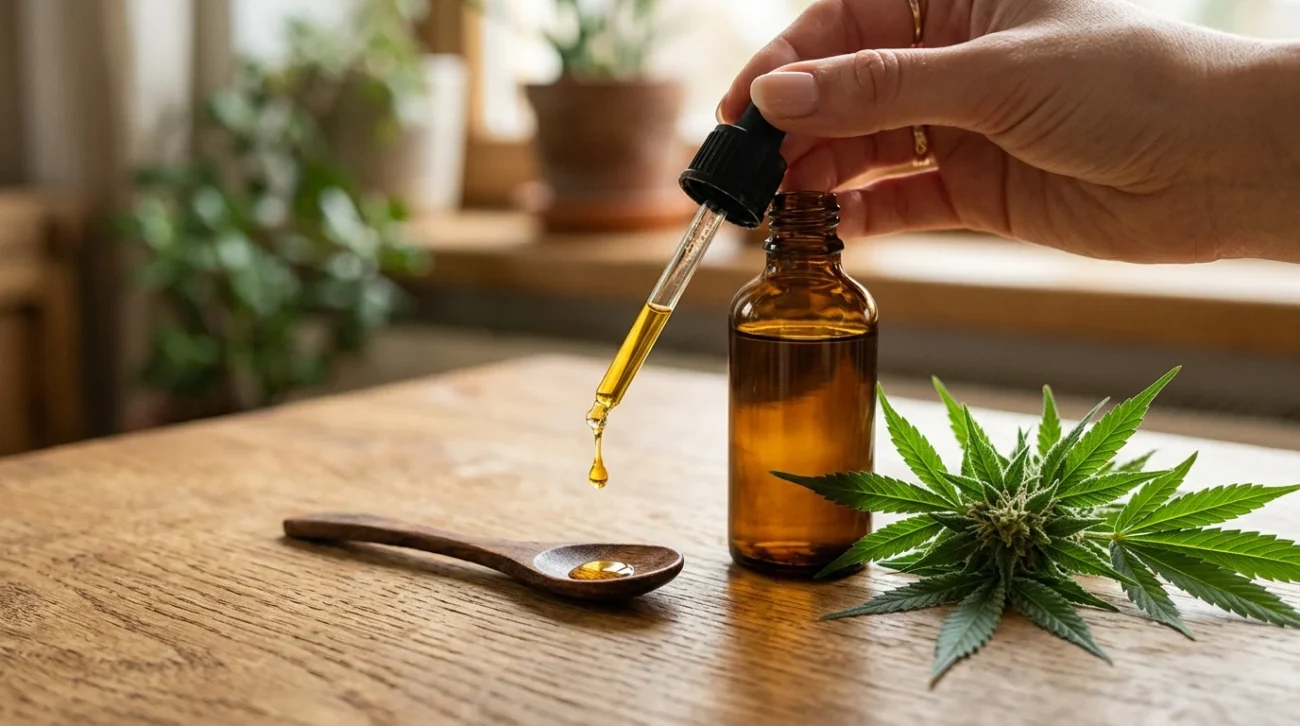
CBG is available on the market in various formulations, each with specific characteristics:
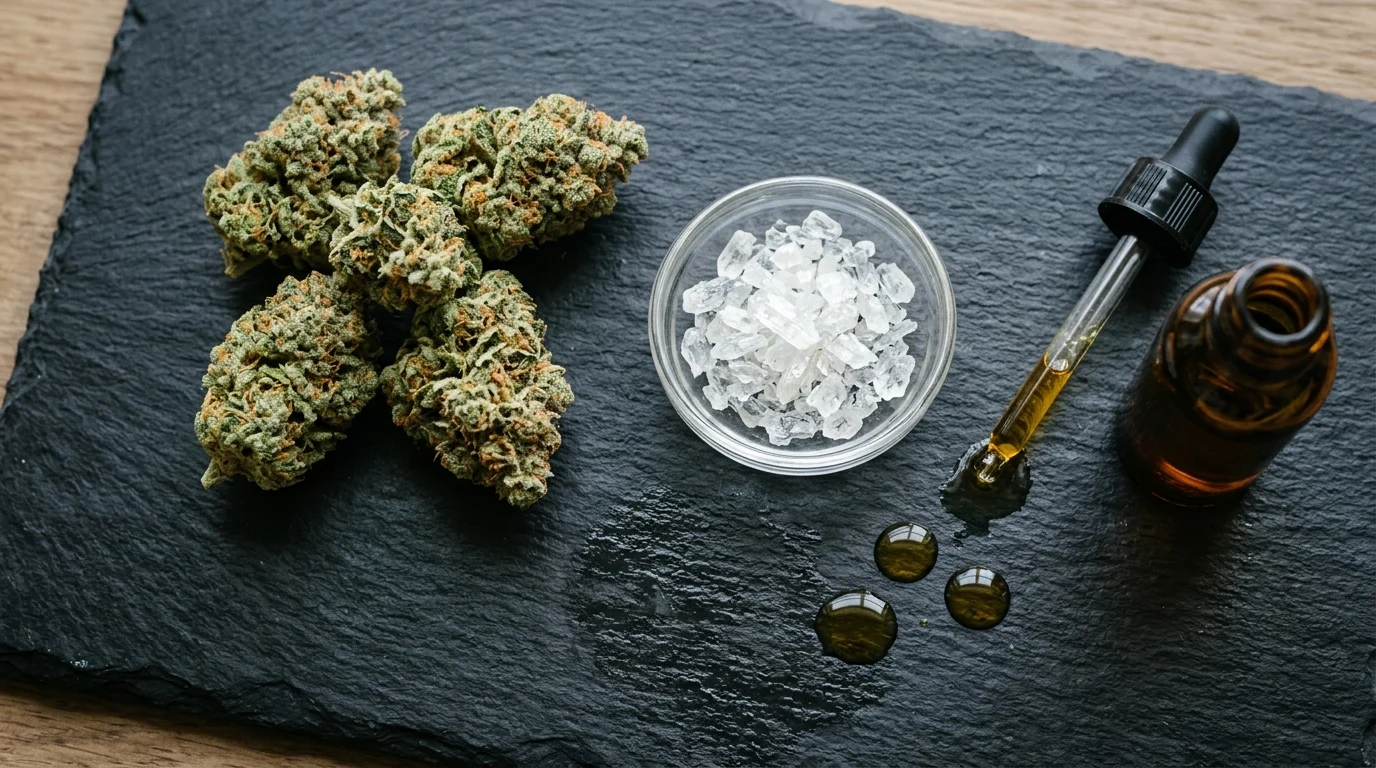
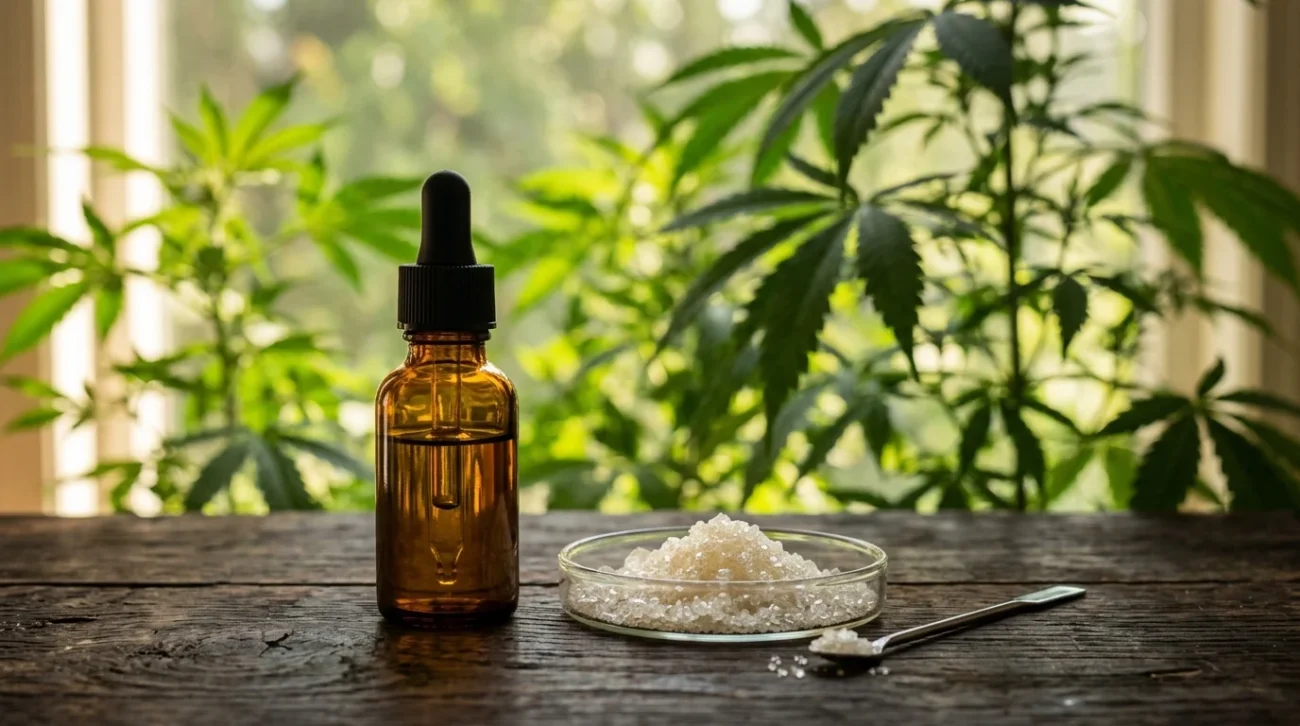
CBG Oil
The most common and versatile form. CBG oils are extracted from cannabis via supercritical CO₂ or ethanol and diluted in a carrier oil (usually hemp seed oil, MCT or olive oil). They are available in various concentrations — typically from 5% to 15% CBG.
Method of use: sublingual (a few drops under the tongue for 60-90 seconds before swallowing). This route of administration ensures rapid absorption through the sublingual capillaries, with effects manifesting in 15-45 minutes.
Recommended starting dosage: 5-10 mg of CBG per day (2-3 drops of a 10% oil), preferably taken in the morning. The dosage can be gradually increased up to 20-30 mg per day based on individual response.
CBG Crystals or Isolates
Cannabigerol purified to 99%, obtained through advanced extraction and purification processes. Crystals are versatile: they can be dissolved in carrier oils, added to food and beverages, vaporised or used for topical preparations.
High-CBG Cannabis Flowers
Genetically selected varieties to contain high concentrations of CBG (5-15%) and low concentrations of THC (<0.2% in Italy, <0.3% in the US). They can be vaporised, used to prepare teas or infusions, or processed to extract cannabinoids.
Capsules and Edibles
Pre-dosed forms that facilitate daily intake. They have a slower onset (1-2 hours) but more prolonged effects compared to sublingual oil.
Topical Products (Creams, Balms)
Formulations for localised skin application, useful for muscle pain, joint pain, skin inflammation or dermatological conditions. CBG is absorbed through the skin without entering systemic circulation.
Side Effects and Contraindications
CBG is generally well tolerated and considered safe. Studies conducted so far have not shown significant side effects or toxicity even at high dosages. Being non-psychoactive, it does not alter cognitive abilities or performance.
Adverse effects, when present, are mild and rare:
– Dry mouth
– Mild drowsiness (less frequent than with CBD)
– Slight variations in appetite
– Occasional mild gastrointestinal disturbances
Contraindications and precautions:
CBG may interact with some drugs metabolised by the cytochrome P450 enzyme system, particularly CYP2C9, CYP2C19 and CYP3A4. If you regularly take medication — especially anticoagulants, antiepileptics or immunosuppressants — it is advisable to consult your doctor before starting CBG supplementation.
Pregnant and breastfeeding women should avoid the use of CBG due to lack of specific studies on safety in these populations.
How to Choose Quality Products
Given the growing popularity of CBG, the market is filling up with products of variable quality. Here are the key criteria for choosing safe and effective products:
Certificates of analysis (COA): verify the presence of third-party laboratory analyses that confirm the declared CBG concentration and the absence of contaminants (pesticides, heavy metals, residual solvents, mycotoxins).
Extraction method: prefer products obtained with supercritical CO₂ extraction or pharmaceutical ethanol, which guarantee purity and absence of toxic solvents.
Cannabis origin: choose products derived from organically grown cannabis, without pesticides or chemical fertilisers, preferably of European or US origin with supply chain traceability.
Full spectrum vs isolate: full spectrum products also contain other minor cannabinoids and terpenes, exploiting the entourage effect — the synergistic action of cannabis compounds that produces superior effects compared to isolated individual components. However, CBG isolates guarantee more precise dosing and total absence of THC.
Declared concentration: concentration must be expressed in mg of CBG per ml (for oils) or percentage (for flowers and crystals), not only in total cannabinoid percentage.
Frequently Asked Questions About CBG
Is CBG legal in Italy and the US?
In Italy, the legal situation of CBG presents regulatory complexities linked to the security decree (article 18) that came into force in April 2024. The decree created a distinction based on the extraction source: CBG extracted from inflorescences was subjected to restrictions, while that derived from other parts of the plant might have a different status. However, CBG itself is not a psychotropic substance and is not included in controlled substance schedules. The situation is evolving and could be subject to regulatory changes.
In the United States, CBG derived from hemp (cannabis with <0.3% THC) is federally legal under the 2018 Farm Bill. However, state laws may vary, so it’s advisable to check local regulations.
How long does it take to feel the effects of CBG?
It depends on the route of administration. Sublingual intake produces effects in 15-45 minutes, with a peak at 1-2 hours. Capsules and edibles require 1-2 hours but offer more prolonged effects (4-6 hours). For long-term benefits — such as neuroprotection or reduction of chronic inflammation — continuous use of at least 2-4 weeks is necessary.
Can CBG be combined with CBD?
Yes, in fact the combination is often recommended. CBG and CBD have complementary pharmacological profiles and work synergistically (entourage effect). Many full-spectrum products naturally contain both cannabinoids. The CBG + CBD combination can offer enhanced benefits for inflammation, anxiety, pain and neuroprotection.
Does CBG show positive results on drug tests?
Standard drug tests detect THC and its metabolites, not CBG. However, full-spectrum products may contain traces of THC (<0.3%) which, with prolonged use at high dosages, could theoretically accumulate and be detectable. For those who need to undergo drug testing, the use of pure CBG isolates certified as THC-free is recommended.
What is the difference between CBGA and CBG?
CBGA (cannabigerolic acid) is the acidic form of CBG naturally present in the plant. With exposure to heat or UV light, CBGA loses a carboxyl group and transforms into CBG (a process called decarboxylation). CBGA is the true “precursor” from which THCA, CBDA and CBCA are derived, which in turn become THC, CBD and CBC.
⚖️ Legal Disclaimer
This article is written exclusively for informational and educational purposes. The information provided does not constitute medical advice and does not replace the opinion of a doctor or qualified healthcare professional. Food supplements and cannabinoid-based products should not be considered as substitutes for a varied, balanced diet and a healthy lifestyle. BuDream does not encourage, promote or facilitate illegal activities. It is the sole responsibility of the reader to verify and comply with local laws applicable to cannabis and cannabinoids. BuDream disclaims any liability for use of this content that does not comply with the legislation in force in the reader’s country.
 Seed Shop
 Head Shop
 Vaporizers
 Cosmetics
 Growshop
 Grow Box
 Ornamental plants
 Fans and extractors
 Pots
Pots LED lamp
 Fertilizer
 Pest control