










Manuals & Resources
Medicinal Mushrooms: Shiitake, Hericium and Chaga — Properties and Benefits
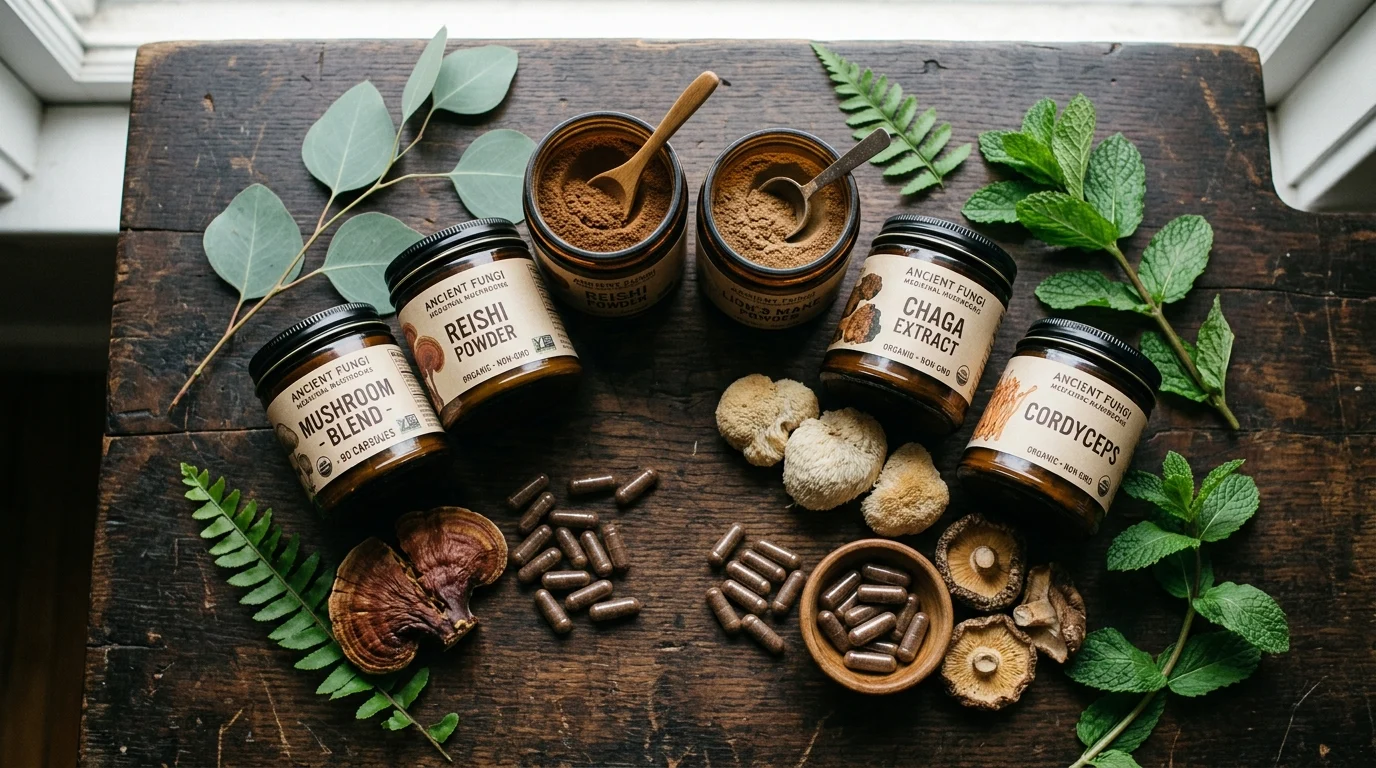
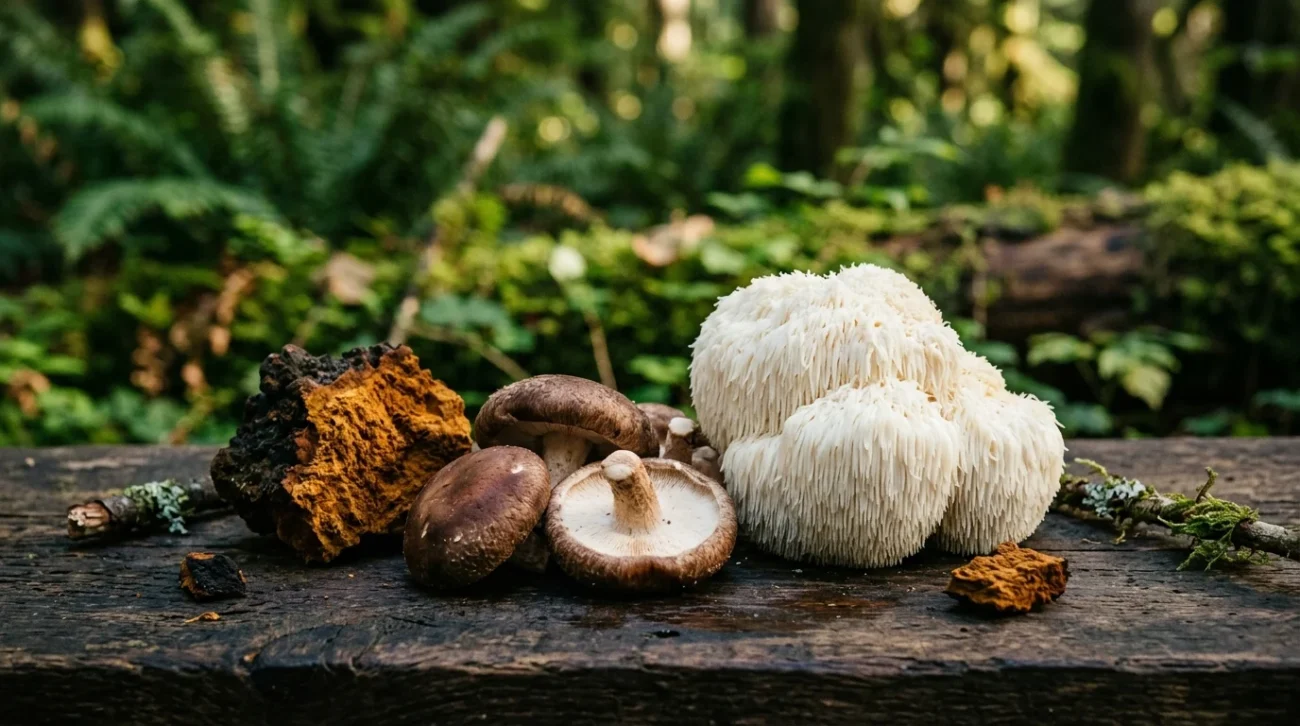
Medicinal mushrooms are among the most extensively studied natural resources in modern science. Used for millennia in the traditional medicines of China, Japan and Siberia, they are now at the centre of rapidly growing scientific research that is confirming their beneficial properties across multiple body systems: immune, nervous, digestive and cardiovascular.
In this article we explore three of the most important functional mushrooms — Shiitake, Hericium erinaceus and Chaga — analysing their history, composition and what science actually says about their benefits. For those who want to go beyond dietary consumption, we also dive into the world of mushroom supplements: when to take them, how to choose them and what to expect.
What Are Medicinal Mushrooms and Mycotherapy
Medicinal mushrooms, also known as functional or vital mushrooms, are species that — beyond their nutritional qualities — exert biologically active effects on the body. This is not a new concept: mycotherapy — the discipline that studies and uses mushrooms as health support — has its roots in traditional Chinese medicine dating back over 4,000 years.
The secret of these organisms lies in their unique chemical composition. At the centre of scientific interest are beta-glucans, complex polysaccharides with immunomodulatory action, and a series of bioactive compounds specific to each species — from Hericium’s erinacines to Chaga’s betulinic acid, from Shiitake’s lentinan. These molecules are what make medicinal mushrooms the subject of study in oncology, neurology, immunology and gastroenterology.
Shiitake (Lentinula edodes): The Immunity Mushroom
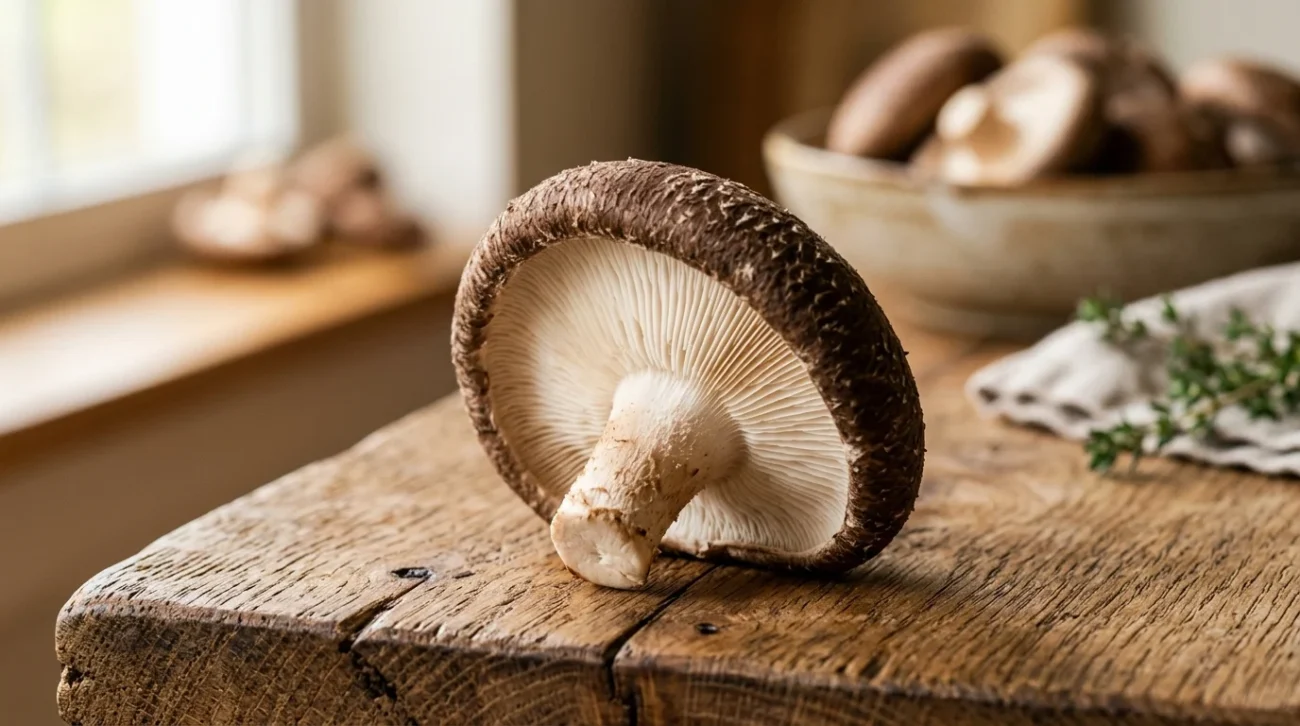
Shiitake (Lentinula edodes) is the second most consumed edible mushroom in the world after the common button mushroom. Native to the forests of East Asia, it has been cultivated in Japan for over 1,000 years and is now produced on a large scale in Europe and the United States as well.
The name comes from Japanese: shii (oak, the tree it preferentially grows on) and take (mushroom). In Traditional Chinese Medicine it is considered a food that improves Jing-Qi — vital energy — and Xie-Qi, resistance to external pathogens. In 16th-century Ming Dynasty China it was already well known both as a culinary ingredient and a medicinal remedy.
Shiitake Composition and Active Compounds
Shiitake has an exceptional nutritional profile. Proteins account for around 17.5% of dry matter, with all nine essential amino acids. It is rich in B vitamins (B1, B2, B12), vitamin E, folate, niacin, riboflavin, potassium, iron, calcium and zinc — and when dried or exposed to UV rays it is one of the few plant-based sources of vitamin D2, containing approximately 17 µg per 100 g.
The most studied active compounds are:
Lentinan — a beta-glucan with documented immunostimulant activity, approved by Japan’s Ministry of Health in 1976 as an adjuvant oncology drug and still used in Japanese hospitals today.
Eritadenine — a compound with cholesterol-lowering action, capable of reducing LDL cholesterol levels in the blood.
AHCC (Active Hexose Correlated Compound) — an alpha-glucan extracted from Shiitake mycelium, with antioxidant and immunomodulatory properties, the subject of numerous international clinical studies.
Polysaccharides and fibre — with prebiotic action, supporting gut microbiota health and strengthening the mucosal barrier.
Scientifically Documented Benefits of Shiitake
Immune system: a randomised clinical study of 52 healthy adults evaluated the consumption of 5–10 g of dried Shiitake per day for 4 weeks, finding significant improvement in immune markers. Lentinan stimulates the production of T lymphocytes and NK (Natural Killer) cells, crucial for defence against infections and disease.
Cardiovascular health: eritadenine and beta-glucans contribute to the reduction of total and LDL cholesterol, with documented effects on blood pressure as well.
Oral health: research has highlighted Shiitake’s ability to counteract dental plaque formation by inhibiting the bacteria responsible for tooth decay, gingivitis and tartar.
Gut health: acts as a prebiotic, promotes the colonisation of beneficial bacteria in the intestine and reduces intestinal permeability — useful in cases of irritable bowel syndrome and dysbiosis.
Oncological potential: lentinan is used in Japan alongside chemotherapy to improve the immune response in cancer patients. Studies have shown improved survival time in certain types of gastric and breast cancer.
Hericium erinaceus: The Brain Mushroom
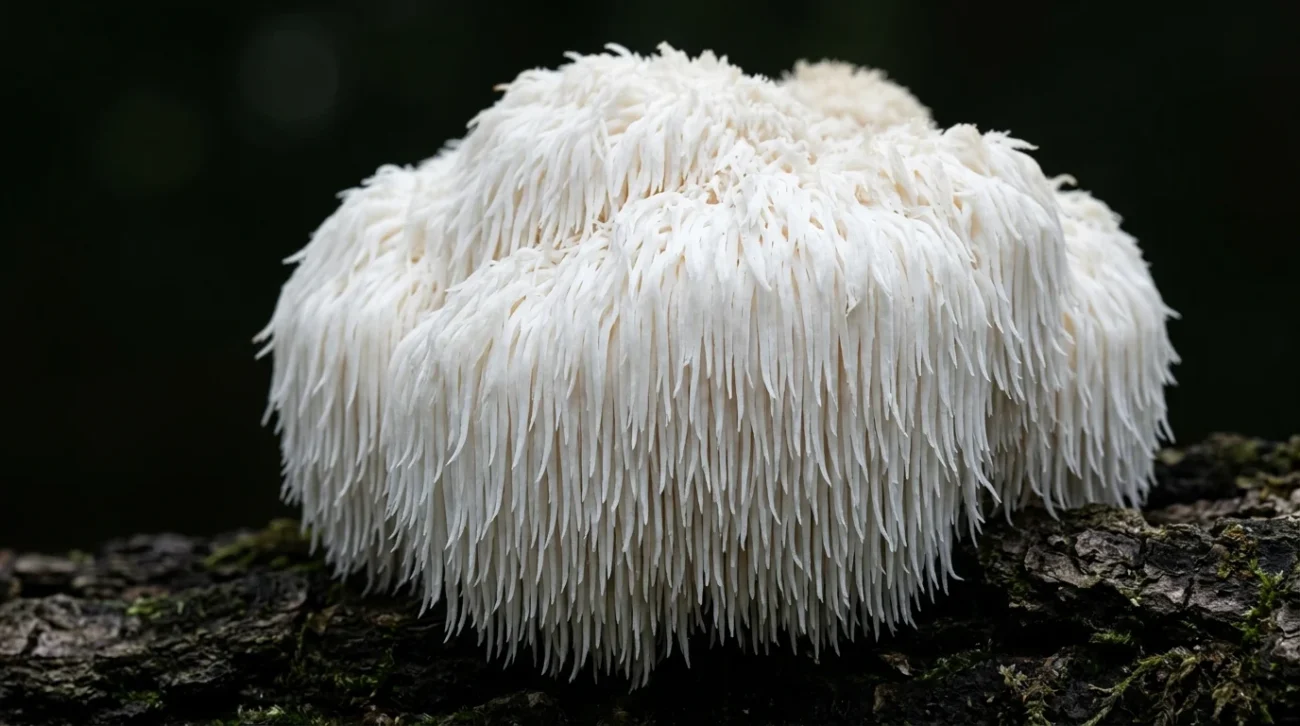
Hericium erinaceus is arguably the most fascinating medicinal mushroom in modern mycotherapy. Its appearance is unmistakable: a soft white mass of dangling spines resembling a mane or a beard, which has earned it poetic names across the world.
Its names around the world: Lion’s Mane in English, Yamabushitake (mushroom of the mountain ascetic) in Japanese, Hóu tóu gū (monkey’s head) in Chinese, Hydne hérisson in French, Pom-Pom Blanc among Western chefs.
A Thousand-Year History
Hericium erinaceus has been consumed in China and Japan for millennia. It appears in the Chinese medical treatise Shennong bencao jing (372–288 BC), where it is mentioned for relieving digestive disorders and improving cognitive function. It was used by Buddhist monks to improve memory and concentration during meditation. Its domestication for modern cultivation was developed by the Shanghai Academy of Sciences in the 1960s. In Italy it grows naturally in the Apennines, Sicily and Sardinia.
Nutritional Composition of Hericium
Hericium erinaceus has an extraordinarily rich composition. Proteins account for 20–25% of dry weight and it contains all essential amino acids except methionine and tryptophan. It has a complete vitamin profile (B1, B2, B3, B5, B12, D2) and a rich mineral profile: zinc, copper, phosphorus, selenium, iron, calcium, potassium and germanium.
The exclusive bioactive compounds that make it unique in the mushroom kingdom are erinacines — extracted from the mycelium — and hericenones — present in the fruiting body — both capable of crossing the blood-brain barrier and stimulating the synthesis of Nerve Growth Factor (NGF). The profile is completed by beta-(1,3-1,6)-glucans with immunomodulatory action, ergosterol (provitamin D2), beta-sitosterol, lectins and fibre.
Scientifically Documented Benefits of Hericium
Neuroprotection and NGF: the most studied benefit is the ability to stimulate the production of Nerve Growth Factor (NGF), a protein fundamental for the growth, maintenance and regeneration of neurons. Researchers at the University of Pavia published a study in Nutrients confirming the neuroprotective properties of metabolites found in Italian specimens of the mushroom, opening new avenues for dementia and Alzheimer’s prevention strategies.
Memory and cognitive function: a double-blind, placebo-controlled clinical study conducted in Japan showed significant improvements in cognitive function in elderly subjects with mild cognitive impairment after 16 weeks of supplementation. More recent research from 2023 and 2025 confirms acute and chronic effects on memory, concentration and mood in young adults as well.
Neuroprotective potential in Alzheimer’s: thirteen preclinical studies have confirmed that Hericium reduces the formation of beta-amyloid plaques, decreases hyperphosphorylated tau and reduces markers of neuronal inflammation. Dosages used in studies range between 1,000 and 2,000 mg per day, with an excellent safety profile.
Gastrointestinal health: Hericium promotes the repair of the gastric and intestinal mucosa, has anti-inflammatory effects and acts as a prebiotic. In vitro studies have shown antibacterial action against Helicobacter pylori. It is considered a first-choice mycotherapeutic remedy for gastritis, ulcers, gastroesophageal reflux and irritable bowel syndrome.
Anxiety, mood and sleep: recent research indicates that Hericium mitigates anxiety and depression and may improve sleep quality, especially in subjects with stress-related insomnia. The effect acts on neurochemical balance through the serotonin receptor 5-HT1A.
Sports performance: a study demonstrated that 28 days of supplementation improved post-exercise energy metabolism, with higher levels of muscle and liver glycogen and lower blood lactic acid levels compared to the control group.
Chaga (Inonotus obliquus): The Antioxidant Mushroom
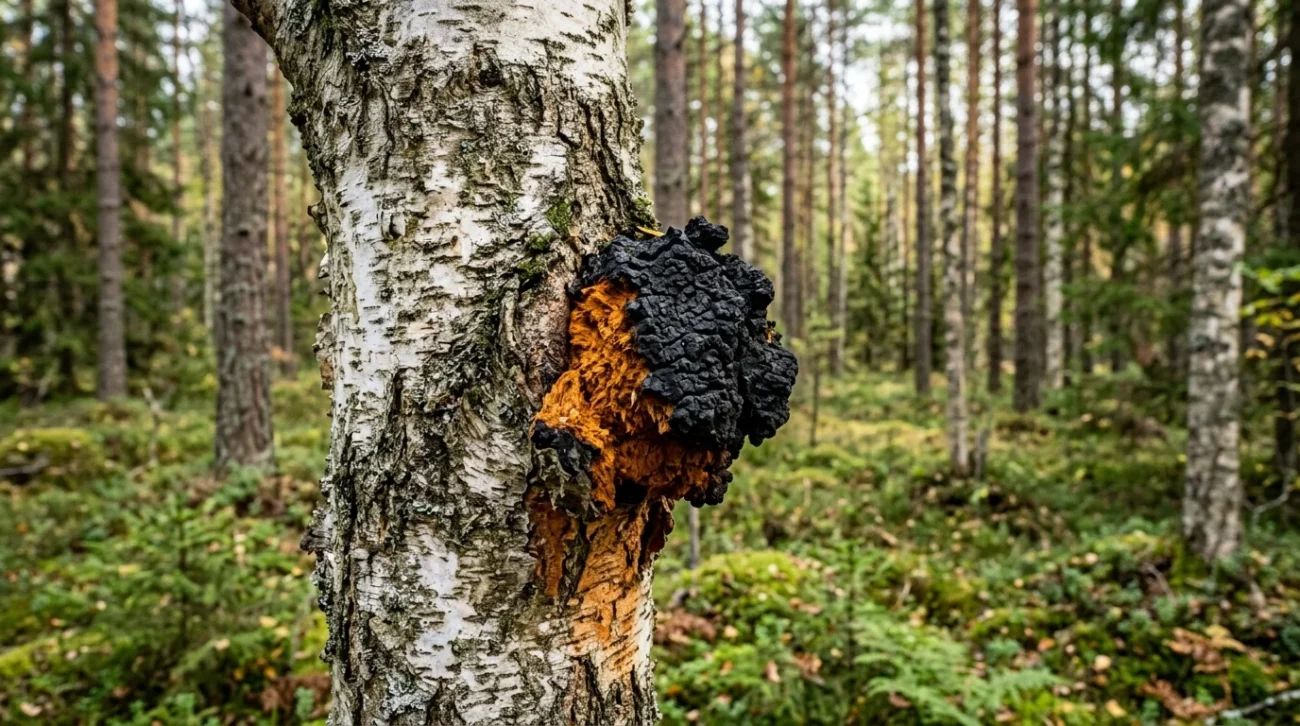
Chaga (Inonotus obliquus) is a parasitic fungus that grows primarily on birch trees in the cold forests of Northern Europe, Siberia, Canada and Korea. Unlike other medicinal mushrooms, it does not resemble a classic mushroom: it presents as an irregular, blackish excrescence on the outside — similar to charcoal — with an orange interior rich in bioactive compounds.
It is known as the “Pearl of the North” or the “Gift of God”. In the oldest Chinese herbal manual (Shen Nong Ben Cao Jing, 2800 BC) it is listed among the “superior herbs” and described as capable of ensuring excellent health and high energy levels into advanced age. Widely used in traditional Siberian medicine, it was consumed daily as an infusion to combat gastritis, dermatitis, joint pain and stress.
Chaga Composition and Active Compounds
Chaga has one of the most complex phytochemical profiles among medicinal mushrooms. Beta-glucans (1,3 and 1,6) are the main immunomodulators, capable of activating macrophages, T lymphocytes and Natural Killer cells. Betulinic acid — a pentacyclic triterpene derived from birch — has documented anti-inflammatory, antimicrobial and potential anticancer properties. Melanin, responsible for the characteristic black colour, exerts a pronounced antioxidant protective effect on DNA.
Chaga also contains SOD (Superoxide Dismutase) in quantities 50 times greater than other medicinal mushrooms: this is the most important antioxidant enzyme in the body, capable of protecting cell membranes from free radicals. The profile is completed by polyphenols, triterpenes, sterols (ergosterol, inotodiol), vitamins and minerals.
Scientifically Documented Benefits of Chaga
Antioxidant power: Chaga has one of the highest ORAC values (Oxygen Radical Absorbance Capacity) among all medicinal mushrooms. Its antioxidant capacity is linked to the combined presence of melanin, SOD, polyphenols and betulinic acid, which work in synergy to counteract oxidative stress and slow cellular ageing.
Immune system: beta-glucans stimulate the activity of T lymphocytes and macrophages. In vitro studies have confirmed Chaga’s ability to inhibit inflammation markers such as TNF-α and IL-6, making it useful in contexts of chronic inflammation and autoimmune disorders.
Skin health: Chaga’s melanin and antioxidants stimulate collagen synthesis, protect skin from UV rays and improve elasticity and hydration. A study on 50 patients with psoriasis showed complete disappearance of eruptions in 76% of cases.
Metabolism: preclinical studies suggest a potential hypoglycaemic and cholesterol-lowering effect, with increased antioxidant activity documented in university research.
Gastrointestinal health: Chaga counteracts gastritis — including that caused by Helicobacter pylori — ulcerative colitis and Crohn’s disease, thanks to its pronounced anti-inflammatory properties on the intestinal mucosa.
Medicinal Mushroom Supplements: How to Choose Them
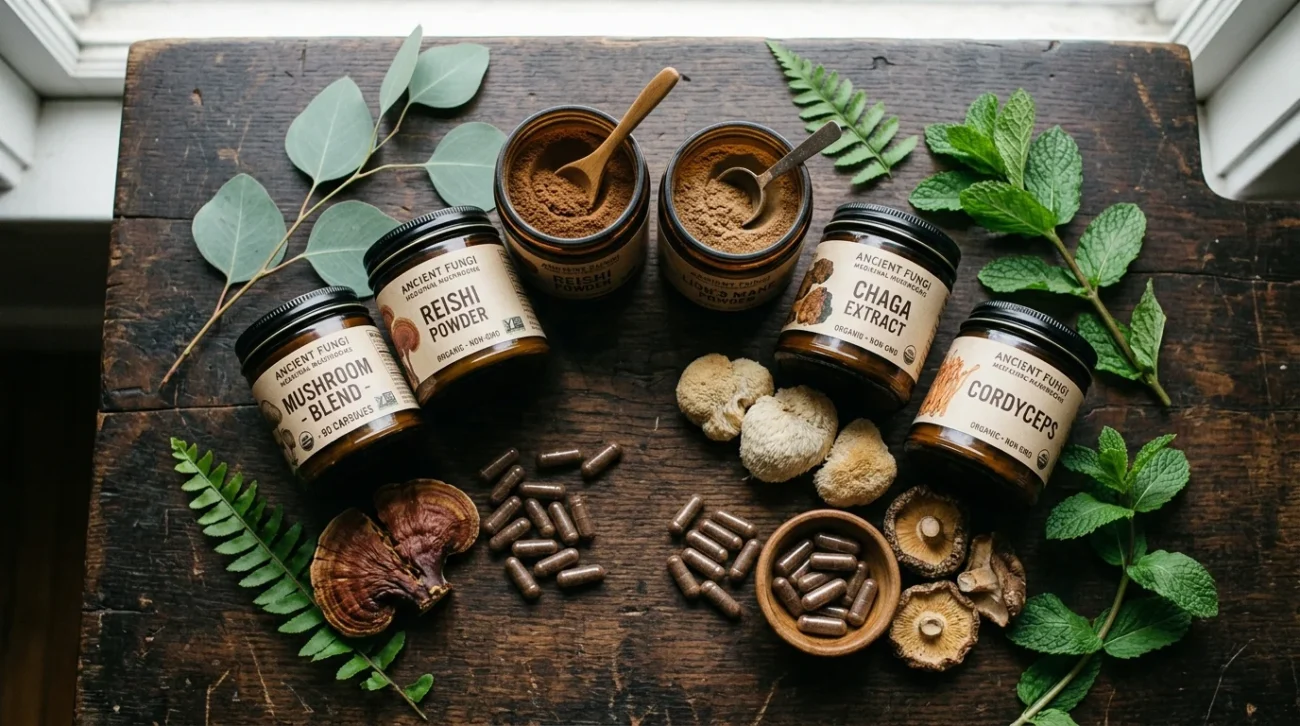
The medicinal mushroom supplement market is growing rapidly, but product quality varies enormously. Here are the key criteria for making an informed choice:
Extract vs. whole mushroom powder: standardised extracts are concentrated in specific active compounds and guarantee precise, reproducible dosing. Whole mushroom powder maintains the complete profile but with variable concentrations.
Standardisation: always choose products standardised for the characteristic active compound of the mushroom. For Shiitake, look for polysaccharide standardisation. For Hericium, erinacines or hericenones. For Chaga, betulinic acid or beta-glucans.
Raw material origin: prefer mushrooms organically cultivated on natural substrates — wood for Shiitake and Hericium, birch for Chaga. Avoid products grown on grain or in laboratory conditions, which tend to have reduced concentrations of active compounds, particularly betulinic acid in Chaga.
Extraction method: hot water extraction is the traditional and most effective method for beta-glucans. Some products combine aqueous and alcohol extraction to also recover fat-soluble triterpenes.
Certifications: verify the presence of independent laboratory analyses confirming the concentration of active compounds and the absence of contaminants such as heavy metals and pesticides.
How and When to Take Mushroom Supplements
Hericium erinaceus: for cognitive and memory support, it is advisable to take it in the morning, preferably with food. For its relaxing effect and sleep support, it can be taken in the late afternoon. Clinical study dosages range between 1,000 and 2,000 mg per day. Effects on the nervous system require continuous use of at least 4–8 weeks to be properly evaluated.
Shiitake: the standard dosage is 1–6 capsules per day depending on extract concentration, even for extended periods as seasonal prevention. It is compatible with other treatments and well tolerated at recommended doses.
Chaga: a cycle of at least 6–8 weeks is recommended, preferably in the morning. It can also be taken as an infusion (1 teaspoon of powder in hot water), with a rich flavour similar to aromatic coffee. Combining it with vitamin C sources optimises antioxidant absorption. Pay attention to interactions with anticoagulants and antidiabetic drugs — always consult your doctor if you take these medications.
Medicinal Mushrooms in the Kitchen: Shiitake
Among the three mushrooms described, Shiitake is the only one widely used in cooking as a prized culinary ingredient. Its characteristic umami flavour — rich, savoury, with meaty notes — makes it perfect for risottos, soups, pasta, stir-fries and vegetarian dishes. It is available fresh, dried or as a powder. Many people describe Hericium’s flavour as similar to crab or lobster, making it equally interesting in the kitchen. Chaga, by contrast, is consumed primarily as an infusion, with an earthy flavour and slightly bitter woody notes.
Frequently Asked Questions About Medicinal Mushrooms
What are beta-glucans and why are they important?
Beta-glucans are complex polysaccharides found in all medicinal mushrooms. They are considered the main drivers of immunomodulatory action: they activate macrophages, T lymphocytes and Natural Killer cells, strengthening the body’s natural defences. They are found exclusively in mushrooms and not in other plant foods.
Do medicinal mushroom supplements have side effects?
At recommended dosages, Hericium, Shiitake and Chaga are generally well tolerated and free of significant side effects. Mild gastrointestinal discomfort may occur in sensitive individuals. The main contraindications concern people allergic to mushrooms, patients on immunosuppressive therapy following organ transplant, and — for Chaga — patients on anticoagulant or antidiabetic medication.
How long does it take to feel the effects of mushroom supplements?
It depends on the mushroom and the goal. For Hericium and cognitive benefits, at least 4–8 weeks of continuous use are needed. For immune support with Shiitake or Chaga, some effects are noticeable after 2–4 weeks. Long-term effects consolidate with repeated cycles.
Can I take multiple medicinal mushrooms together?
Yes. Medicinal mushrooms work well in synergy with each other. The Hericium + Chaga combination is particularly valued for simultaneous cognitive and antioxidant support. It is important to choose quality-certified products and, in the case of specific medical conditions, consult a healthcare professional.
What is the difference between Hericium Basic and Chaga Basic?
Hericium Basic is a supplement based on Hericium erinaceus extract, indicated primarily for support of cognitive function, memory, mood and gastrointestinal health. Chaga Basic is formulated with Inonotus obliquus extract, focused on immune system support, antioxidant protection and reduction of oxidative stress. The two products have complementary action profiles and can be taken in combination.
Can medicinal mushrooms be taken alongside medication?
Generally yes, but with some important exceptions. Chaga may interact with anticoagulants (due to its blood-thinning effect) and antidiabetic drugs. Hericium, at recommended dosages, has no known pharmacological interactions. In the case of ongoing medication, always consult your doctor before starting any medicinal mushroom supplementation.
⚖️ Legal Disclaimer
This article is written exclusively for informational and educational purposes. The information provided does not constitute medical advice and does not replace the opinion of a doctor or qualified healthcare professional. Food supplements should not be considered as substitutes for a varied, balanced diet and a healthy lifestyle. BuDream does not encourage, promote or facilitate illegal activities. It is the sole responsibility of the reader to verify and comply with the local laws applicable in their country. BuDream disclaims any liability for use of this content that does not comply with the legislation in force in the reader’s country.
 Seed Shop
 Head Shop
 Vaporizers
 Cosmetics
 Growshop
 Grow Box
 Ornamental plants
 Fans and extractors
 Pots
Pots LED lamp
 Fertilizer
 Pest control